Alaska Airlines Unveils Boeing 787-9 Business Class Suites to Support Long-Haul Expansion
Alaska Airlines has revealed new Boeing 787-9 business class suites as part of its strategy to expand into long-haul international markets.
 Jishan Khan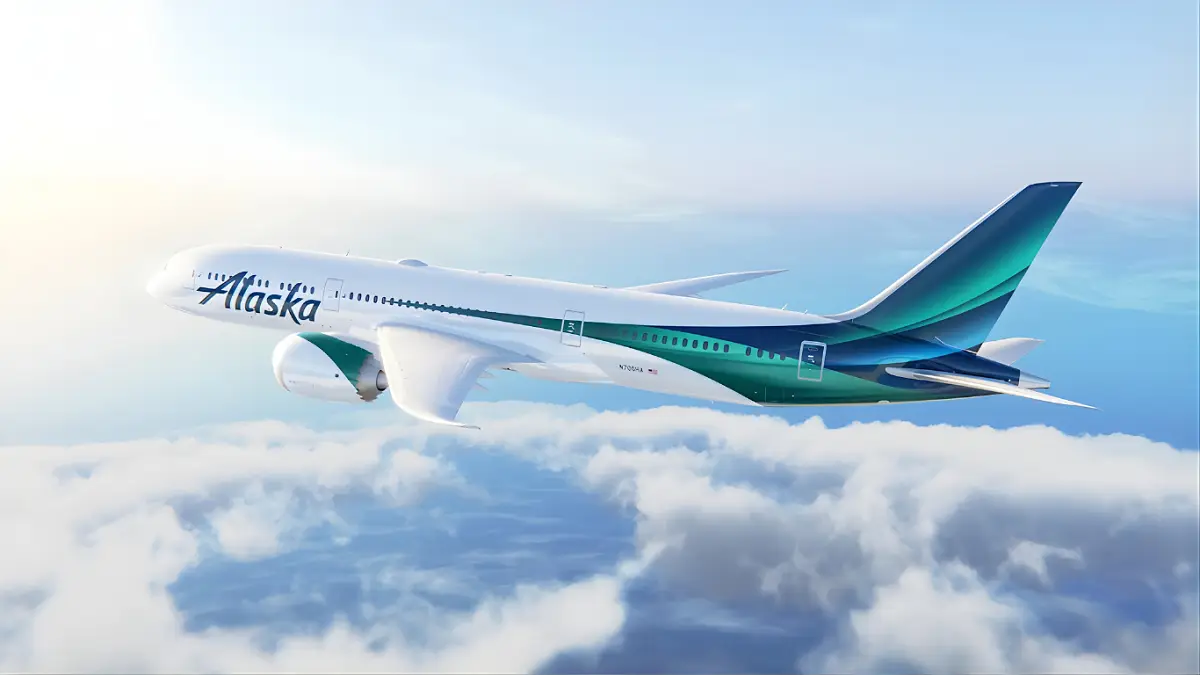
Alaska Airlines has unveiled new business class suites for its Boeing 787-9 aircraft in 2026, marking a significant step in its strategy to expand into long-haul international markets, enhance premium offerings, and strengthen its competitive position in the global aviation industry.
The announcement highlights the airline’s plans to introduce a modern and competitive business class product designed to meet evolving passenger expectations, particularly on intercontinental routes. The move comes as Alaska Airlines prepares to broaden its network beyond its traditional domestic and short-haul international operations.
Premium Cabin Redesign
The newly introduced business class suites are designed to deliver a high level of comfort and privacy for long-haul travelers. The configuration includes fully lie-flat seats, direct aisle access for all passengers, and enclosed suite-style seating aimed at enhancing personal space.
Additional features are expected to include upgraded in-flight entertainment systems, increased storage capacity, and modern cabin finishes that align with industry standards for premium travel. The design reflects a shift toward more personalized and private travel experiences, particularly in the business class segment.
Airlines globally are investing heavily in premium cabins to capture higher-yield passengers, making such upgrades essential for competitiveness in long-haul markets.
Boeing 787-9 as a Growth Platform
The Boeing 787-9 Dreamliner has been selected as the primary aircraft for Alaska Airlines’ long-haul ambitions. Known for its fuel efficiency, extended range, and passenger comfort features, the aircraft is widely used for international routes.
The 787-9 offers advantages such as lower operating costs compared to older widebody aircraft, as well as enhanced cabin conditions including improved air pressure, humidity, and larger windows. These features contribute to a better passenger experience, particularly on long-duration flights.
By investing in the Dreamliner, Alaska Airlines is aligning its fleet strategy with both operational efficiency and sustainability objectives.
Strategic Shift Toward Long-Haul Operations
The introduction of widebody aircraft and premium suites represents a strategic shift for Alaska Airlines, which has traditionally focused on domestic and regional markets. Entering the long-haul segment opens new revenue opportunities and allows the airline to compete in international premium travel markets.
This expansion is expected to include new routes connecting North America with key destinations in Europe and Asia, although specific routes have not yet been confirmed. The move reflects growing demand for international travel and increasing competition among carriers to capture global passenger traffic.
Diversifying into long-haul operations also reduces reliance on domestic markets and provides access to higher-margin segments.
Focus on Customer Experience
Customer experience remains central to Alaska Airlines’ strategy, and the new business class suites are a key component of this focus. The airline aims to deliver a product that meets or exceeds the expectations of modern business travelers.
The suite design emphasizes comfort, privacy, and convenience, with features tailored to long-haul journeys. Enhanced seating, improved cabin aesthetics, and upgraded digital services are expected to contribute to a more seamless and enjoyable travel experience.
Maintaining high service standards will be critical as the airline enters a segment where passenger expectations are significantly higher.
Competitive Landscape
The long-haul aviation market is highly competitive, with established global carriers offering advanced premium cabin products. Alaska Airlines’ entry into this space will require a strong value proposition to attract customers.
Introducing modern business class suites is a necessary step to compete with airlines that have already invested heavily in premium offerings. Product quality, service consistency, and pricing strategy will all play important roles in determining success.
The airline’s ability to differentiate itself while maintaining cost efficiency will be key to sustaining competitiveness.
Operational Considerations
Expanding into long-haul operations involves significant operational changes, including pilot training, maintenance capabilities, and infrastructure upgrades. Alaska Airlines will need to build the necessary systems to support widebody aircraft operations.
The introduction of the Boeing 787-9 also requires adjustments in scheduling, route planning, and crew management. These changes are expected to be implemented gradually to ensure operational stability.
Careful planning and phased implementation will be essential to minimize disruptions and manage costs effectively.
Financial Implications
While the investment in new aircraft and premium cabins represents a significant financial commitment, it also offers the potential for increased revenue. Business class seats typically generate higher yields, making them a critical component of long-haul profitability.
However, achieving strong load factors and maintaining cost control will be essential to ensure that the expansion is financially sustainable. Market demand, fuel prices, and economic conditions will all influence performance.
The airline’s financial strategy will need to balance growth ambitions with operational efficiency.
Industry Trends
The aviation industry is experiencing a resurgence in long-haul travel demand, supported by increasing globalization and rising passenger expectations. Airlines are responding by investing in modern aircraft and premium cabin products.
Alaska Airlines’ move aligns with these trends, positioning it to take advantage of growing demand for international travel. The focus on sustainability, efficiency, and customer experience reflects broader industry priorities.
The introduction of advanced aircraft like the Boeing 787-9 is becoming a standard approach for airlines seeking to expand globally.
Future Outlook
Looking ahead, Alaska Airlines is expected to continue developing its long-haul strategy, including potential route announcements and further enhancements to its service offerings. Partnerships and alliances may also play a role in expanding its global reach.
The success of the new business class suites will be a key factor in determining the airline’s competitiveness in international markets. Continuous improvement and adaptation will be necessary to meet evolving passenger expectations.
The airline’s expansion into long-haul operations represents a significant transformation in its business model.
Conclusion
Alaska Airlines has introduced Boeing 787-9 business class suites as part of its long-haul expansion strategy, signaling a major shift toward international growth and enhanced premium travel offerings.