Angola Plans $186 Million Bond Issue to Recapitalise TAAG Angola Airlines
Angola is set to issue $186 million in bonds to recapitalise TAAG Angola Airlines, aiming to strengthen the carrier’s financial position and support long-term growth.
 Jishan Khan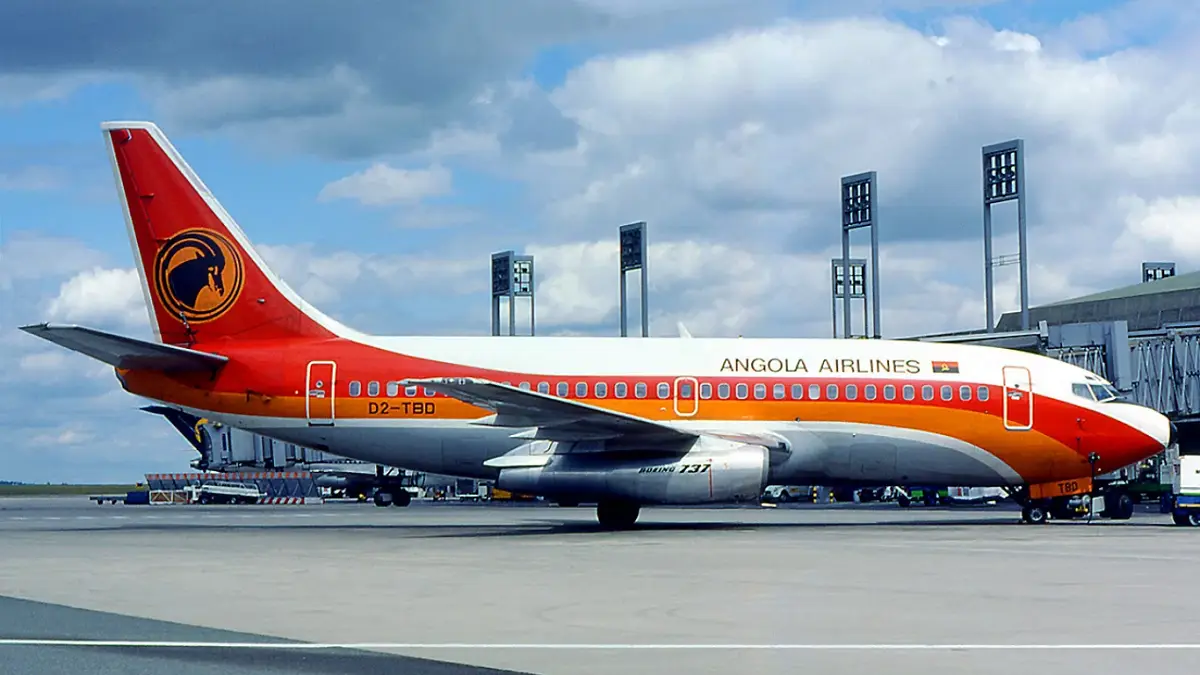
The Angolan government plans to issue $186 million in bonds in 2026 to recapitalise state-owned TAAG Angola Airlines, aiming to strengthen the carrier’s financial position, support ongoing restructuring efforts, and ensure long-term sustainability in a competitive aviation market.
The bond issuance is part of a broader strategy by Angola to stabilize its national airline, which has faced financial challenges in recent years. By injecting fresh capital, authorities intend to improve TAAG’s balance sheet, enhance operational efficiency, and position the airline for future growth both regionally and internationally.
Government Support for National Carrier
TAAG Angola Airlines plays a critical role in connecting Angola to key international and domestic destinations, making it a strategic asset for the country’s economy. The government’s decision to raise funds through bond markets underscores its commitment to maintaining the airline’s operations and strengthening its competitiveness.
Recapitalisation efforts are often necessary for state-owned airlines facing financial pressures, particularly in markets where aviation infrastructure and connectivity are vital for economic development. The bond issuance provides a mechanism for raising capital while spreading financial risk over time.
The move reflects a broader trend among governments in emerging markets to support national carriers through financial restructuring and investment initiatives.
Financial Restructuring and Stability
The planned capital injection is expected to help TAAG address existing financial obligations, improve liquidity, and support operational improvements. Strengthening the airline’s financial foundation is seen as a key step toward achieving sustainable profitability.
Airlines require significant capital to maintain operations, invest in fleet modernization, and expand networks. For TAAG, recapitalisation will enable the carrier to pursue these objectives while managing existing debt and financial commitments.
The initiative is part of a wider restructuring plan aimed at enhancing financial discipline and aligning the airline’s operations with market conditions.
Fleet Modernisation and Expansion
One of the key priorities for TAAG is fleet modernisation, which is essential for improving efficiency, reducing operating costs, and enhancing passenger experience. Newer aircraft typically offer better fuel efficiency and lower maintenance costs, contributing to long-term financial sustainability.
The recapitalisation may support the acquisition or leasing of modern aircraft, enabling the airline to upgrade its fleet and expand capacity on key routes. Improved fleet capabilities can also enhance reliability and competitiveness in international markets.
Fleet investment is a critical component of airline recovery strategies, particularly for carriers seeking to compete with more established global players.
Strengthening Regional and International Connectivity
TAAG Angola Airlines serves as a vital link between Angola and major destinations across Africa, Europe, and beyond. Strengthening the airline’s financial position is expected to support the expansion of its route network and increase connectivity.
Improved air links can facilitate trade, tourism, and business travel, contributing to economic growth and regional integration. As Angola seeks to diversify its economy, enhancing aviation connectivity remains a key priority.
The recapitalisation effort aligns with broader national objectives of improving infrastructure and supporting economic development through enhanced transportation networks.
Challenges Facing the Airline
Like many carriers, TAAG has faced challenges including fluctuating fuel prices, operational costs, and competitive pressures. These factors have impacted profitability and highlighted the need for structural reforms.
State-owned airlines often encounter additional challenges related to governance, efficiency, and market positioning. Addressing these issues requires a combination of financial support and operational improvements.
The bond issuance is expected to provide the resources needed to tackle these challenges while implementing necessary reforms.
Aviation Sector Trends in Africa
The African aviation sector is experiencing gradual growth, driven by increasing demand for air travel and economic development across the continent. However, many airlines continue to face financial and operational constraints.
Governments and industry stakeholders are exploring various strategies to strengthen the sector, including investments in infrastructure, regulatory reforms, and financial support for carriers. Recapitalisation initiatives such as Angola’s bond issuance are part of these broader efforts.
Improving airline performance is essential for unlocking the full potential of aviation in Africa, which remains underdeveloped compared to other regions.
Market and Investor Considerations
The success of the bond issuance will depend on investor confidence in Angola’s economic outlook and the viability of TAAG’s restructuring plan. Transparent governance and clear financial strategies are likely to be key factors in attracting investment.
Investors will also assess the airline’s potential for growth, profitability, and competitiveness in the regional market. The bond issue provides an opportunity for Angola to demonstrate its commitment to reform and financial stability.
Engaging with capital markets represents a strategic approach to financing, offering flexibility compared to direct government funding.
Long-Term Strategy for TAAG
Looking ahead, TAAG Angola Airlines is expected to focus on improving operational efficiency, expanding its network, and enhancing service quality. Recapitalisation provides a foundation for implementing these strategic initiatives.
The airline may also explore partnerships and alliances to strengthen its market position and access new opportunities. Collaboration with international carriers could support network expansion and operational improvements.
Long-term success will depend on the airline’s ability to adapt to changing market conditions and maintain financial discipline.
Government Policy and Economic Impact
The Angolan government’s support for TAAG reflects the broader importance of aviation in national economic policy. A strong national carrier can play a significant role in promoting tourism, facilitating trade, and connecting the country to global markets.
Investments in aviation infrastructure and services are essential for supporting economic diversification and growth. By recapitalising TAAG, the government aims to ensure that the airline continues to contribute to these objectives.
The initiative also highlights the role of public policy in shaping the development of the aviation sector.
Conclusion
Angola’s planned $186 million bond issuance to recapitalise TAAG Angola Airlines marks a significant step in strengthening the carrier’s financial position, with the process expected to move forward as part of ongoing efforts to stabilise and modernise the airline.