British Airways Introduces Pilot Incentives to Reduce Fuel Use and Carbon Emissions
British Airways and UK authorities introduce pilot incentive programs aimed at reducing fuel consumption and lowering carbon emissions across operations.
 Jishan Khan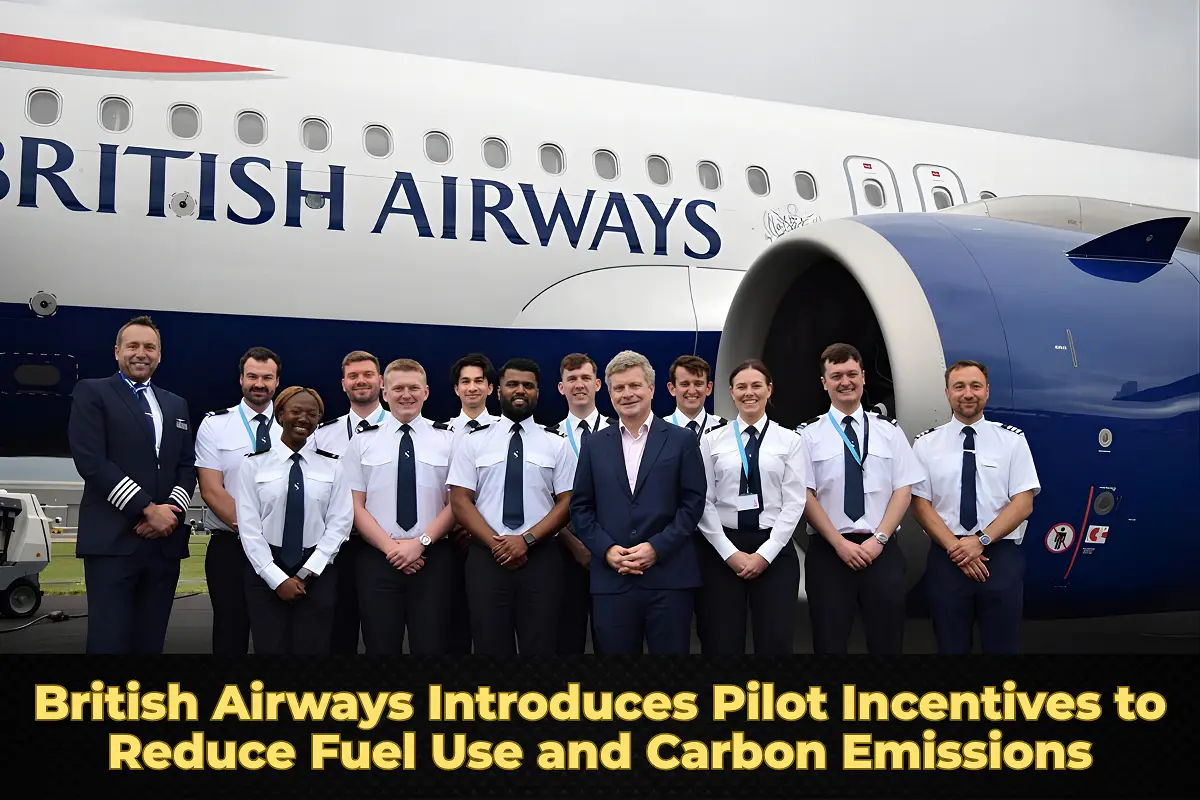
British Airways, in coordination with UK aviation authorities, has introduced a pilot incentive program in 2026 aimed at reducing fuel consumption and carbon emissions, as the airline industry intensifies efforts to improve environmental sustainability. The initiative focuses on encouraging flight crews to adopt fuel-efficient operational practices, aligning with broader climate goals and regulatory expectations in the United Kingdom.
The program is designed to reward pilots for implementing operational strategies that reduce fuel burn during flights, including optimized flight paths, efficient climb and descent profiles, and minimized engine usage during taxiing. The move reflects increasing pressure on airlines to lower their environmental impact while maintaining operational efficiency.
Focus on Operational Efficiency
The initiative centers on leveraging pilot expertise to enhance fuel efficiency across daily operations. Pilots play a critical role in determining flight performance, and their decisions can significantly influence fuel consumption levels. By incentivizing best practices, the airline aims to achieve measurable reductions in emissions without compromising safety or service quality.
Operational techniques such as continuous descent approaches, reduced flap settings where appropriate, and optimal cruising altitudes are among the measures being encouraged. These practices, when applied consistently, can contribute to meaningful fuel savings across an airline’s network.
The program also emphasizes data-driven decision-making, with performance metrics tracked and analyzed to assess efficiency gains and identify areas for improvement.
Environmental and Regulatory Context
The introduction of pilot incentives comes amid increasing regulatory and public pressure on the aviation industry to reduce its carbon footprint. Governments and international organizations have set ambitious targets for emissions reduction, prompting airlines to adopt a range of sustainability initiatives.
In the United Kingdom, aviation is a key focus area in national climate strategies, with authorities encouraging airlines to implement measures that align with long-term environmental goals. The pilot incentive program is part of a broader framework aimed at improving fuel efficiency and reducing greenhouse gas emissions.
Airlines are also exploring complementary strategies, including the use of sustainable aviation fuel (SAF), fleet modernization, and investment in new technologies to achieve environmental targets.
Financial and Operational Benefits
In addition to environmental benefits, reducing fuel consumption has significant financial implications for airlines. Fuel is one of the largest operating expenses for carriers, and even small efficiency gains can result in substantial cost savings over time.
By aligning financial incentives with fuel-saving practices, British Airways aims to create a system where environmental and economic objectives reinforce each other. This approach is expected to enhance operational efficiency while supporting the airline’s sustainability commitments.
The initiative may also help the airline mitigate the impact of volatile fuel prices, which have been a major challenge for the aviation industry in recent years.
Role of Technology and Data
The success of the program relies heavily on advanced data analytics and monitoring systems. Airlines are increasingly using real-time data to track fuel usage, flight performance, and environmental impact, enabling more precise evaluation of operational efficiency.
British Airways is expected to utilize these tools to provide feedback to pilots and ensure transparency in performance assessment. Data insights can help identify best practices and standardize efficient operating procedures across the fleet.
The integration of technology into flight operations is a key component of modern aviation, supporting both safety and sustainability objectives.
Industry-Wide Trends
The move by British Airways reflects a broader trend within the global aviation industry, where airlines are adopting innovative approaches to reduce emissions. Pilot incentive programs are gaining attention as a practical and cost-effective way to achieve immediate efficiency gains.
Other airlines and aviation stakeholders are likely to monitor the results of the initiative closely, as successful implementation could encourage wider adoption of similar programs. Collaboration between airlines, regulators, and industry organizations is seen as essential for achieving meaningful progress in sustainability.
The initiative also highlights the growing importance of human factors in environmental performance, complementing technological and operational advancements.
Challenges and Considerations
While the program offers potential benefits, it also presents challenges, including the need to balance efficiency with safety and operational constraints. Pilots must adhere to strict safety protocols, and any efficiency measures must be carefully evaluated to ensure they do not compromise flight safety.
Additionally, variations in weather conditions, air traffic control requirements, and airport infrastructure can limit the extent to which fuel-saving practices can be applied. These factors must be taken into account when assessing the effectiveness of the program.
Ensuring consistent implementation across different routes and operating environments will be critical to achieving the desired outcomes.
Passenger and Public Perception
Environmental initiatives in aviation are increasingly important to passengers, many of whom are seeking more sustainable travel options. By introducing pilot incentives, British Airways is positioning itself as a proactive participant in addressing climate concerns.
Transparent communication about such initiatives can enhance the airline’s reputation and build trust among environmentally conscious travelers. Demonstrating measurable progress in reducing emissions is likely to be a key factor in maintaining public confidence.
The initiative may also contribute to broader efforts to improve the image of the aviation industry in the context of climate change.
Future Outlook
The pilot incentive program represents a step forward in the aviation industry’s efforts to balance growth with environmental responsibility. As airlines continue to explore new ways to reduce emissions, operational initiatives such as this are expected to play an increasingly important role.
British Airways is likely to refine and expand the program based on initial results, with the potential to integrate additional sustainability measures over time. The initiative could also serve as a model for other carriers seeking to enhance efficiency and reduce their environmental impact.
The aviation industry’s transition to more sustainable operations will require a combination of innovation, collaboration, and commitment from all stakeholders.
British Airways has introduced a pilot incentive program to reduce fuel consumption and carbon emissions, with implementation underway as part of broader sustainability efforts in UK aviation.