DHL Begins Deploying Bahraini-Registered Aircraft Across European Operations
DHL has started deploying Bahraini-registered aircraft across its European network, signaling a strategic move to optimize operations and expand capacity.
 Jishan Khan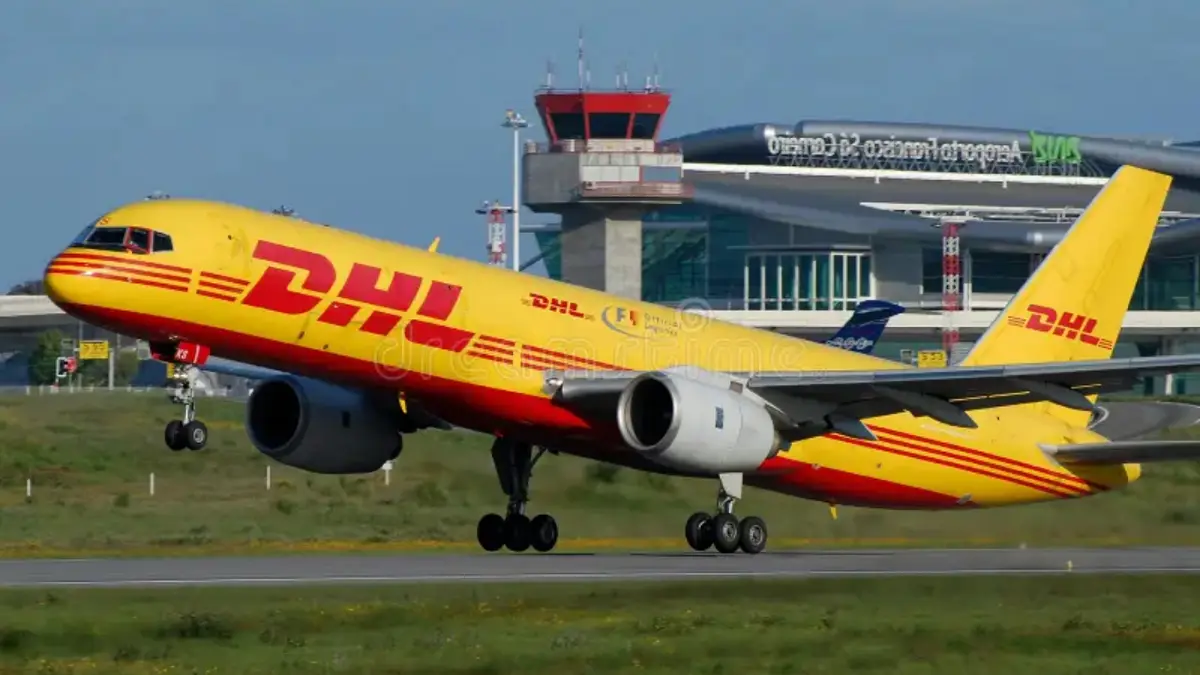
DHL has begun deploying Bahraini-registered aircraft within its European air cargo network in 2026, marking a strategic operational shift aimed at enhancing flexibility, optimizing fleet utilization, and supporting growing demand for logistics services across the region.
The move involves integrating aircraft registered in Bahrain into DHL’s European operations, allowing the global logistics provider to streamline its fleet management and respond more effectively to evolving market conditions. The deployment reflects DHL’s broader strategy of leveraging international aviation frameworks to maintain efficiency and scalability in its air cargo network.
Strategic Fleet Deployment Across Europe
The introduction of Bahraini-registered aircraft into Europe highlights DHL’s approach to maximizing operational efficiency through strategic fleet allocation. By utilizing aircraft registered in different jurisdictions, the company can adapt to regulatory environments, optimize costs, and ensure consistent service delivery across its network.
This deployment is particularly significant in Europe, where demand for air cargo services remains strong due to e-commerce growth, supply chain requirements, and time-sensitive shipments. The addition of these aircraft provides DHL with increased capacity and operational flexibility.
The initiative also aligns with industry practices where airlines and cargo operators diversify aircraft registration to support international operations.
Role of Bahrain in Aviation Strategy
Bahrain has emerged as an important hub for aircraft registration and aviation services, offering a regulatory framework that appeals to international operators. The country’s aviation registry provides advantages such as efficient certification processes and favorable operating conditions.
For DHL, incorporating Bahraini-registered aircraft enables greater flexibility in managing its fleet across multiple regions. This approach allows the company to deploy aircraft where they are most needed while maintaining compliance with international aviation regulations.
The use of Bahrain’s registry also reflects the increasing globalization of aviation operations, where carriers leverage multiple jurisdictions to enhance efficiency.
Impact on European Air Cargo Network
The deployment of additional aircraft is expected to strengthen DHL’s European air cargo network, improving connectivity between major logistics hubs and regional destinations. Enhanced capacity can help reduce transit times, increase shipment volumes, and support the growing demand for express delivery services.
Europe remains a critical market for DHL, with extensive operations linking key economic centers. The ability to adjust fleet deployment quickly is essential in maintaining service reliability and meeting customer expectations.
The integration of Bahraini aircraft is likely to complement existing operations and provide additional resilience in the face of fluctuating demand.
Operational and Regulatory Considerations
Deploying aircraft registered in a different country involves navigating complex regulatory requirements, including air traffic rights, safety certifications, and operational approvals. DHL’s ability to implement this strategy indicates strong coordination with aviation authorities and adherence to international standards.
Regulatory compliance is a critical factor in ensuring seamless operations, particularly in a region like Europe with stringent aviation rules. The use of Bahraini-registered aircraft suggests that DHL has secured the necessary approvals to operate within the European airspace framework.
This approach underscores the importance of regulatory expertise in managing global aviation operations.
Growing Demand for Air Cargo Services
The move comes amid sustained growth in the air cargo sector, driven by increasing e-commerce activity, global trade, and the need for rapid delivery solutions. Companies like DHL are expanding their capabilities to meet these demands, investing in fleet capacity and operational efficiency.
Air cargo has become an essential component of global supply chains, particularly for high-value and time-sensitive goods. The ability to scale operations quickly is crucial for maintaining competitiveness in the logistics industry.
DHL’s latest deployment reflects confidence in continued demand growth and the need for enhanced network capabilities.
Competitive Landscape in Logistics
The logistics sector is highly competitive, with major players continuously investing in infrastructure, technology, and fleet expansion. DHL’s decision to deploy Bahraini-registered aircraft is part of its broader strategy to maintain a competitive edge in the market.
Other global logistics providers are also expanding their air cargo operations, increasing capacity and improving service offerings. In this environment, operational efficiency and flexibility are key differentiators.
DHL’s ability to leverage international aviation frameworks positions it well to compete effectively in the evolving logistics landscape.
Economic and Trade Implications
Enhanced air cargo capacity supports economic activity by facilitating trade and ensuring the efficient movement of goods across borders. DHL’s expanded operations in Europe are likely to contribute to improved supply chain performance and increased connectivity between markets.
The integration of additional aircraft can help businesses access global markets more easily, supporting growth and competitiveness. This is particularly important for industries that rely on fast and reliable logistics services.
The move also highlights the interconnected nature of global trade and the role of logistics providers in enabling economic development.
Future Outlook
Looking ahead, DHL is expected to continue optimizing its fleet and expanding its air cargo network to meet evolving market demands. The use of Bahraini-registered aircraft may be further extended to other regions as part of the company’s global strategy.
Ongoing investments in technology, infrastructure, and operational capabilities will be critical in supporting growth and maintaining service quality. DHL’s ability to adapt to changing conditions will play a key role in its long-term success.
The air cargo sector is likely to remain a focus area for innovation and expansion as global trade continues to evolve.
Conclusion
DHL’s deployment of Bahraini-registered aircraft in Europe marks a strategic step in enhancing its air cargo operations, reflecting a focus on flexibility, efficiency, and capacity growth in a dynamic global logistics environment.