Edelweiss Air Takes Delivery of Its First Airbus A320neo to Modernize Fleet
Edelweiss Air has taken delivery of its first Airbus A320neo, marking a key step in fleet modernization and improved fuel efficiency for the Swiss leisure carrier.
 Jishan Khan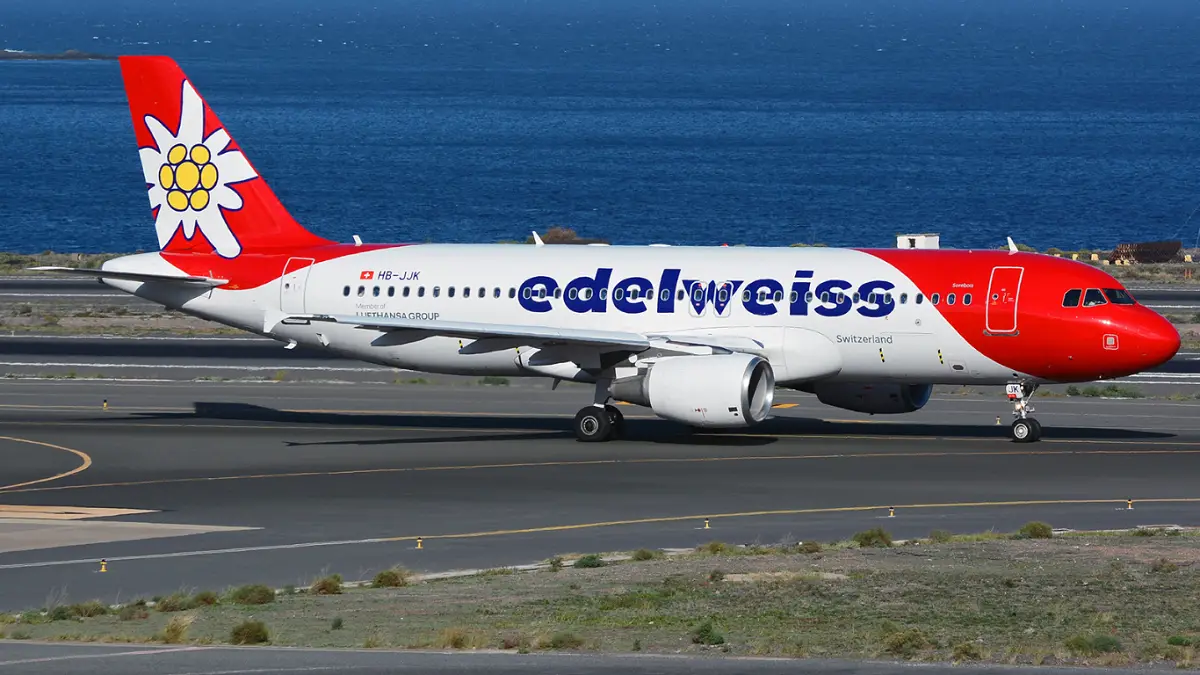
Swiss leisure carrier Edelweiss Air has taken delivery of its first Airbus A320neo aircraft in 2026, marking a significant milestone in its fleet modernization strategy as it seeks to improve fuel efficiency, reduce emissions, and enhance passenger experience across its short- and medium-haul network.
The aircraft, delivered as part of the airline’s ongoing fleet renewal program, will be deployed on European routes, supporting the carrier’s operations from its Zurich hub. The move reflects a broader industry shift toward next-generation aircraft designed to deliver lower operating costs and environmental benefits.
Fleet Modernization Strategy
The introduction of the Airbus A320neo represents a key step in Edelweiss Air’s long-term plan to upgrade its fleet with more efficient and technologically advanced aircraft. The airline, which focuses primarily on leisure destinations, is aligning its operations with evolving market demands and sustainability goals.
Replacing older-generation aircraft with the A320neo allows the airline to reduce fuel consumption significantly while maintaining operational reliability. The new aircraft is expected to gradually replace older Airbus A320 models currently in service.
Fleet modernization has become a priority for airlines worldwide, driven by rising fuel costs, stricter environmental regulations, and increasing competition. Edelweiss Air’s investment reflects these broader industry trends.
Advantages of the A320neo
The Airbus A320neo is part of Airbus’ new engine option family, offering improved fuel efficiency, reduced carbon emissions, and lower noise levels compared to previous-generation aircraft. The model incorporates advanced engines and aerodynamic enhancements, including sharklet wingtip devices.
Fuel savings of up to 15-20% are typically associated with the A320neo, making it an attractive option for airlines seeking to lower operating costs. In addition, reduced noise levels contribute to improved environmental performance, particularly at airports with strict noise regulations.
The aircraft also provides enhanced cabin features, including modern interiors and improved passenger comfort, which are important for leisure-focused carriers like Edelweiss Air.
Operational Deployment
Edelweiss Air plans to deploy the A320neo on high-demand European routes, where efficiency gains and capacity optimization can have a significant impact on profitability. The aircraft’s range and performance capabilities make it well-suited for short- and medium-haul operations.
From its base in Zurich, the airline serves a wide network of leisure destinations across Europe, North Africa, and the Middle East. The addition of the A320neo is expected to enhance schedule flexibility and support network expansion.
The airline may also use the aircraft to optimize frequencies on popular routes, allowing it to better match capacity with seasonal demand patterns.
Environmental and Sustainability Goals
The delivery of the A320neo aligns with Edelweiss Air’s efforts to reduce its environmental footprint. Aviation is under increasing pressure to cut emissions, and modern aircraft play a central role in achieving sustainability targets.
By introducing more fuel-efficient aircraft, the airline aims to lower its carbon emissions per passenger while maintaining operational growth. This is particularly important as regulators and consumers alike place greater emphasis on environmental responsibility.
The move also supports broader European aviation goals, which include reducing greenhouse gas emissions and increasing the use of sustainable aviation fuel in the coming years.
Passenger Experience Enhancements
In addition to operational benefits, the A320neo offers improvements in passenger comfort, including quieter cabins, better air quality, and updated seating configurations. These enhancements are expected to strengthen Edelweiss Air’s competitive position in the leisure travel segment.
As travelers increasingly prioritize comfort and convenience, airlines are investing in cabin upgrades alongside fleet modernization. Edelweiss Air’s new aircraft is expected to deliver a more modern travel experience, supporting customer satisfaction and brand loyalty.
The improved onboard environment may also help the airline attract a broader range of passengers, including those seeking premium leisure travel options.
Competitive Landscape
The European leisure travel market is highly competitive, with airlines continuously upgrading fleets and expanding networks to capture demand. Low-cost carriers and full-service airlines alike are investing in next-generation aircraft to improve efficiency and reduce costs.
Edelweiss Air’s adoption of the A320neo places it in line with industry peers that are transitioning to more modern fleets. The move is expected to enhance the airline’s ability to compete on both cost and service quality.
Fleet renewal also allows airlines to maintain operational resilience, reducing maintenance requirements and improving reliability, which are critical factors in a competitive market.
Future Fleet Plans
The delivery of the first A320neo is likely to be followed by additional aircraft as part of Edelweiss Air’s broader fleet renewal program. Expanding the number of next-generation aircraft will enable the airline to achieve greater efficiency gains and operational consistency.
Future fleet decisions will depend on market conditions, demand growth, and financial considerations. However, the trend toward modernization is expected to continue as airlines seek to balance growth with sustainability.
The airline may also explore further upgrades across its long-haul fleet, ensuring a comprehensive approach to modernization across all segments of its operations.
Industry Implications
The introduction of the A320neo into Edelweiss Air’s fleet highlights the ongoing transformation of the aviation industry, where technological advancements are reshaping operational strategies. Airlines are increasingly prioritizing efficiency, sustainability, and passenger experience in their investment decisions.
Aircraft manufacturers, including Airbus, continue to play a central role in this transformation by developing models that meet the evolving needs of airlines. The A320neo has become one of the most popular aircraft in its category, with widespread adoption across the industry.
Such developments are expected to drive further innovation and competition, ultimately benefiting both airlines and passengers.
Conclusion
Edelweiss Air has taken delivery of its first Airbus A320neo, marking a significant step in its fleet modernization efforts as the airline enhances efficiency, sustainability, and passenger experience in its operations.