El Al Grounds Entire Boeing 777 Fleet Despite Eased Tel Aviv Operational Restrictions
El Al has grounded its entire Boeing 777 fleet despite relaxed operating restrictions in Tel Aviv, signaling strategic and operational adjustments by the Israeli carrier.
 Jishan Khan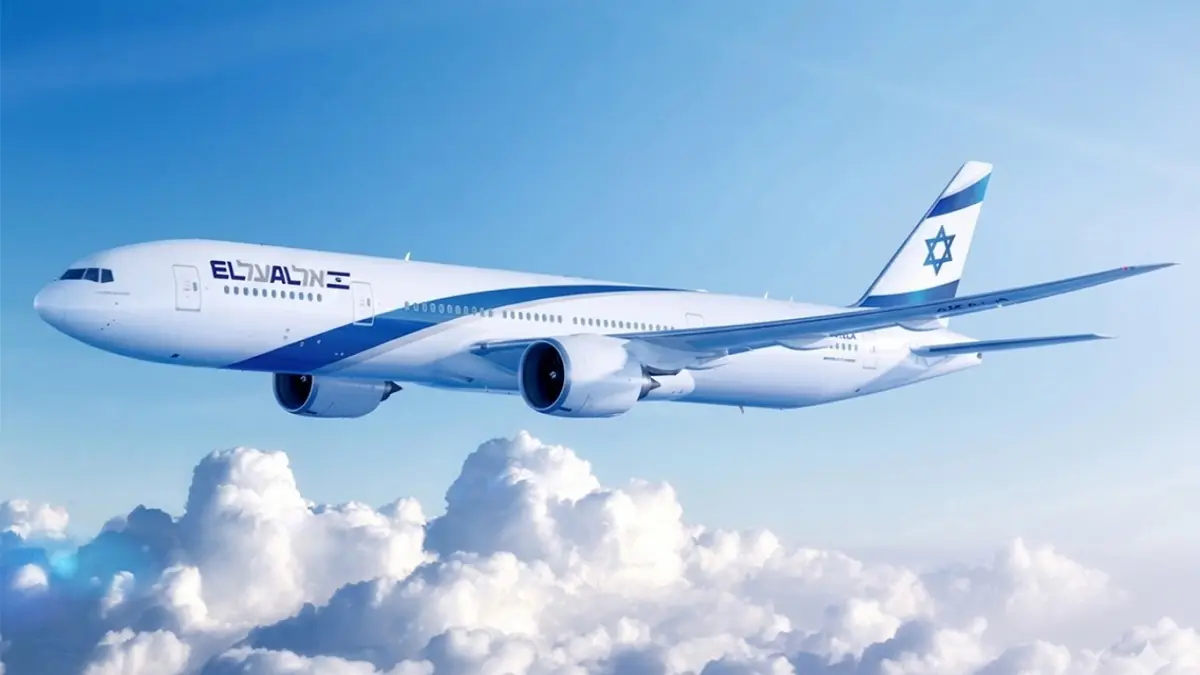
El Al Israel Airlines has grounded its entire fleet of Boeing 777 aircraft in 2026, even as operational restrictions at Tel Aviv’s Ben Gurion Airport have been relaxed, according to industry reports. The decision reflects a strategic shift in fleet management as the airline continues to streamline operations and modernize its long-haul capabilities.
The move comes at a time when aviation conditions in Israel are stabilizing, allowing airlines to gradually restore normal operations. However, El Al has opted not to return its aging Boeing 777 jets to active service, signaling a broader transition toward newer and more efficient aircraft within its fleet.
Strategic Fleet Realignment
The grounding of the Boeing 777 fleet is part of El Al’s ongoing efforts to optimize its aircraft portfolio and reduce operational complexity. The airline has been focusing on simplifying its fleet by phasing out older widebody aircraft and replacing them with more modern alternatives.
The Boeing 777, while historically a key component of El Al’s long-haul operations, has become less aligned with the airline’s current strategy, which emphasizes fuel efficiency, lower maintenance costs, and improved passenger experience. Operating multiple aircraft types can increase costs and complicate logistics, prompting airlines to streamline their fleets.
By grounding the 777s, El Al is effectively accelerating its transition toward a more uniform and efficient fleet structure.
Shift Toward Modern Aircraft
In recent years, El Al has invested in newer aircraft such as the Boeing 787 Dreamliner, which offers significant advantages in fuel efficiency, range, and passenger comfort. These aircraft are better suited to the airline’s evolving network and operational requirements.
The Boeing 787 has become the backbone of El Al’s long-haul fleet, enabling the airline to operate routes more efficiently while reducing environmental impact. The decision to ground the 777s reinforces the airline’s commitment to modernizing its fleet and aligning with industry trends.
Newer aircraft also support enhanced onboard services, including improved cabin design, better air quality, and advanced entertainment systems, contributing to a more competitive passenger offering.
Operational Context in Tel Aviv
The grounding decision comes despite the easing of certain operational restrictions at Ben Gurion Airport in Tel Aviv. These restrictions had previously affected flight operations due to regional conditions, leading airlines to adjust schedules and capacity.
With restrictions now relaxed, carriers have greater flexibility to resume services and restore connectivity. However, El Al’s choice to keep its Boeing 777 fleet grounded indicates that the decision is driven more by strategic considerations than by immediate operational constraints.
This highlights the airline’s long-term planning approach, prioritizing efficiency and sustainability over short-term capacity increases.
Cost and Efficiency Considerations
Operating older aircraft such as the Boeing 777 can involve higher fuel consumption and maintenance costs compared to newer models. In an environment where airlines are under pressure to control expenses and improve margins, such factors play a critical role in decision-making.
Fuel efficiency has become a key priority for airlines worldwide, not only for cost reasons but also for environmental considerations. New-generation aircraft consume less fuel and produce fewer emissions, aligning with global sustainability goals.
By removing the 777 from active service, El Al can reduce operating costs and improve overall efficiency, supporting its financial performance in a competitive market.
Impact on Network and Capacity
The grounding of the Boeing 777 fleet may have implications for El Al’s network and capacity, particularly on long-haul routes that previously relied on these aircraft. However, the airline’s investment in Boeing 787 aircraft provides a capable replacement, allowing it to maintain service levels while improving efficiency.
The transition may involve adjustments to route planning and scheduling to ensure optimal utilization of available aircraft. Airlines often use such transitions as an opportunity to refine their networks and focus on the most profitable routes.
Passengers are unlikely to experience significant disruptions, as the newer aircraft are designed to handle similar or greater operational demands.
Industry Trends in Fleet Modernization
El Al’s decision reflects a broader trend in the aviation industry, where airlines are retiring older aircraft in favor of more advanced models. This trend has been accelerated by the financial impact of the COVID-19 pandemic, which prompted carriers to reassess their operations and reduce costs.
Fleet modernization is seen as a key driver of long-term competitiveness, enabling airlines to offer better services while maintaining cost discipline. Many carriers have phased out older widebody aircraft such as early-generation Boeing 777s and Airbus A340s.
The shift toward modern fleets is also influenced by regulatory and environmental considerations, as governments and industry bodies push for reduced emissions and greater sustainability.
Financial and Strategic Implications
Grounding an entire aircraft type can have financial implications, including potential write-downs or asset impairments. However, such decisions are often justified by long-term savings and operational benefits.
For El Al, the move may also be part of a broader restructuring strategy aimed at strengthening its financial position and improving profitability. Streamlining the fleet can lead to reduced training, maintenance, and operational costs, contributing to overall efficiency.
The airline’s ability to manage this transition effectively will be critical in achieving its strategic objectives.
Future Outlook
Looking ahead, El Al is expected to continue focusing on fleet modernization and operational efficiency as it adapts to changing market conditions. The Boeing 787 is likely to remain central to its long-haul operations, supported by ongoing investments in technology and service improvements.
The airline may also explore additional fleet enhancements and network expansions as demand for air travel continues to recover. Maintaining a balance between growth and cost control will be essential in navigating the competitive aviation landscape.
Industry observers will be watching closely to see how El Al leverages its streamlined fleet to strengthen its market position and enhance its service offerings.
Conclusion
El Al’s decision to ground its Boeing 777 fleet, despite eased operational restrictions in Tel Aviv, underscores a strategic shift toward efficiency and modernization as the airline reshapes its operations for long-term sustainability.