Lower Insurance Costs Help Emirates Sustain Operations Amid Industry Pressures
Emirates is benefiting from lower insurance costs, helping the airline sustain operations and manage expenses amid ongoing industry challenges.
 Jishan Khan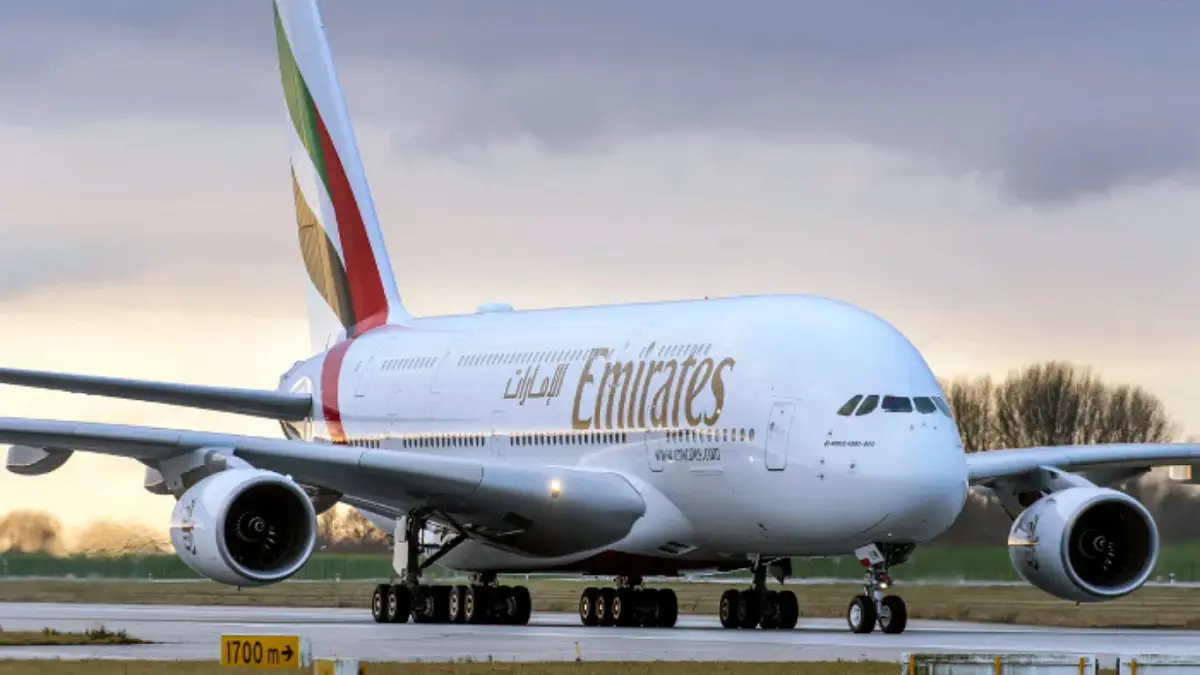
Emirates is benefiting from reduced insurance costs in 2026, supporting its ability to sustain operations and manage expenses amid ongoing pressures in the global aviation industry, according to industry reports, as airlines continue to navigate rising fuel prices and operational challenges.
The Dubai-based carrier has seen a decline in insurance premiums, providing financial relief at a time when airlines worldwide are facing increased cost burdens. The development comes as aviation insurance markets stabilize following years of volatility linked to geopolitical risks and pandemic-related disruptions.
Relief from Insurance Market Pressures
Insurance is a critical component of airline operations, covering risks such as aircraft damage, liability, and operational disruptions. In recent years, insurance costs had risen significantly due to heightened risk exposure and market uncertainty.
The recent easing of premiums has provided airlines like Emirates with an opportunity to reduce operating expenses. Lower insurance costs can have a meaningful impact on overall financial performance, particularly for carriers with large fleets and extensive global operations.
For Emirates, which operates one of the world’s largest widebody fleets, any reduction in fixed costs contributes to improved financial stability and operational resilience.
Impact on Operational Sustainability
The decline in insurance costs is helping Emirates maintain its operational capacity and service levels despite broader cost pressures. Airlines are currently dealing with multiple financial challenges, including fluctuating fuel prices, increased labor costs, and supply chain constraints.
By reducing one of its significant expense categories, Emirates can allocate resources more effectively across other areas of its operations, including maintenance, network expansion, and customer service improvements.
This cost advantage also supports the airline’s ability to maintain competitive pricing and sustain profitability in a challenging market environment.
Global Aviation Insurance Trends
The aviation insurance market has undergone significant changes in recent years. Following a period of rising premiums driven by increased claims and geopolitical risks, insurers have begun adjusting pricing as conditions stabilize.
Improved risk management practices, better financial performance among airlines, and a more balanced supply-demand dynamic in the insurance sector have contributed to the easing of premiums. These trends are benefiting airlines globally, though the extent of savings varies by carrier and region.
Industry analysts note that while premiums have decreased, insurers remain cautious, and pricing could fluctuate depending on future risk developments.
Emirates’ Cost Management Strategy
Emirates has been actively focusing on cost management as part of its broader strategy to maintain financial strength and operational efficiency. The airline has implemented various measures to optimize expenses while continuing to invest in growth and service enhancements.
Lower insurance costs complement these efforts, providing additional flexibility in financial planning. The airline’s ability to manage costs effectively is seen as a key factor in its continued success in the competitive global aviation market.
Maintaining a balance between cost control and investment in product and service quality remains central to Emirates’ long-term strategy.
Fleet and Network Considerations
Emirates operates a fleet primarily composed of widebody aircraft, including Airbus A380 and Boeing 777 models, serving destinations across six continents. The scale and complexity of its operations make cost management particularly important.
Insurance costs are closely linked to fleet size, aircraft value, and operational risk exposure. As Emirates continues to expand its network and maintain high utilization levels, managing these costs effectively becomes increasingly critical.
The reduction in insurance premiums supports the airline’s ability to sustain its extensive global network and maintain high service standards.
Broader Industry Context
Airlines worldwide are facing a complex operating environment characterized by rising costs and evolving market conditions. Fuel prices remain a major concern, while labor shortages and supply chain disruptions continue to impact operations.
In this context, any reduction in costs, including insurance, provides valuable support to airlines striving to maintain profitability. The ability to manage expenses effectively is becoming a key differentiator in the industry.
Emirates’ experience reflects a broader trend in which airlines are benefiting from improving conditions in certain cost areas, even as challenges persist elsewhere.
Risk Factors and Future Outlook
Despite the current easing of insurance costs, the aviation sector remains exposed to various risks that could influence future pricing. Geopolitical tensions, economic uncertainty, and operational incidents can all impact insurance markets.
Airlines must continue to adopt robust risk management practices to mitigate these factors and maintain favorable insurance terms. For Emirates, maintaining a strong safety record and operational reliability will be essential in sustaining cost advantages.
Industry observers expect insurance costs to remain relatively stable in the near term, though potential volatility cannot be ruled out.
Competitive Positioning
The reduction in insurance costs enhances Emirates’ competitive positioning, allowing the airline to maintain operational efficiency while continuing to invest in its product and network. Cost advantages can support pricing strategies and improve overall financial performance.
In a highly competitive global market, airlines that can effectively manage expenses while delivering high-quality services are better positioned to succeed. Emirates’ ability to leverage lower insurance costs contributes to its ongoing competitiveness.
The airline’s focus on efficiency and strategic investment remains central to its growth and resilience.
Conclusion
Lower insurance costs are providing Emirates with valuable financial relief, helping the airline sustain operations and manage expenses as it continues to navigate a challenging and evolving global aviation landscape.