Finnair Orders Additional E195 Aircraft, Plans Acquisition of Second-Hand A320ceo Jets
Finnair has ordered additional Embraer E195 aircraft and plans to acquire second-hand Airbus A320ceo jets to strengthen its fleet and regional operations.
 Jishan Khan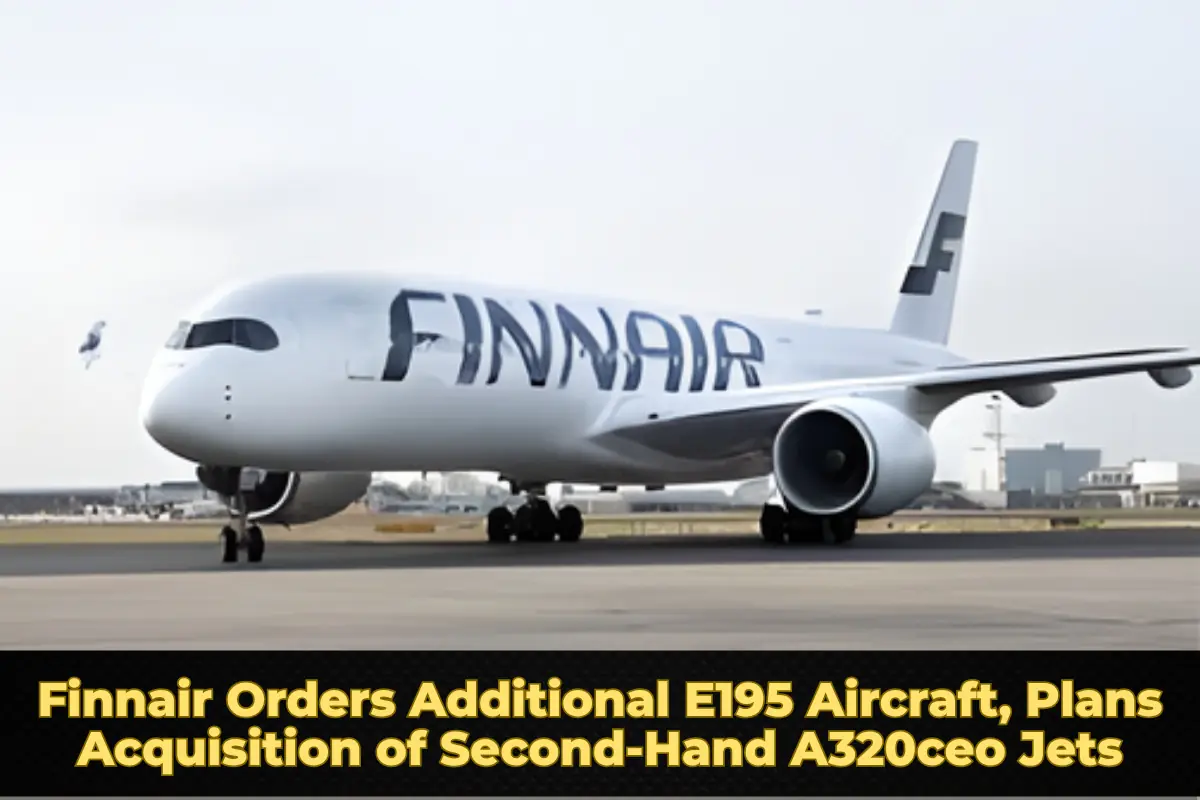
Finnair has placed an order for additional Embraer E195 aircraft while also planning to acquire second-hand Airbus A320ceo jets in 2026, as the Finnish carrier moves to optimize its fleet structure, enhance regional connectivity, and manage capacity more efficiently across its network. The dual strategy reflects the airline’s focus on balancing cost efficiency with operational flexibility amid evolving market conditions in Europe and beyond.
The decision involves expanding the airline’s regional fleet with modern narrowbody aircraft while supplementing its capacity with pre-owned jets, enabling Finnair to respond to fluctuating demand without committing solely to new, high-cost aircraft purchases. The move comes as airlines across Europe adjust fleet strategies to align with post-recovery travel patterns and economic pressures.
Expansion of Regional Fleet with E195 Aircraft
Finnair’s order for additional Embraer E195 aircraft underscores its commitment to strengthening regional and short-haul operations. The E195, part of the E-Jet family, is widely used for regional routes due to its fuel efficiency, right-sized capacity, and operational versatility.
These aircraft are particularly suited for connecting smaller cities to major hubs, allowing airlines to maintain frequency while controlling operating costs. For Finnair, expanding its E195 fleet is expected to enhance its ability to serve Nordic and European destinations with greater efficiency.
The addition of these jets will support network flexibility, enabling the airline to adjust capacity based on seasonal demand and route performance. Regional aircraft play a crucial role in feeding traffic into long-haul services, making them an integral part of overall network strategy.
Acquisition of Second-Hand A320ceo Aircraft
In parallel with new aircraft orders, Finnair plans to acquire second-hand Airbus A320ceo jets, a move aimed at quickly increasing capacity while minimizing capital expenditure. The A320ceo, although an older generation compared to the newer A320neo, remains a reliable and widely used aircraft for short- and medium-haul routes.
By opting for pre-owned aircraft, the airline can take advantage of lower acquisition costs and shorter delivery timelines. This approach allows for rapid fleet expansion or replacement of older units without the long lead times associated with new aircraft manufacturing.
The strategy also reflects broader industry trends, where airlines are increasingly turning to the secondary market to manage fleet needs in a cost-effective manner. Availability of used aircraft has improved in recent years due to shifting demand and fleet renewal programs among other carriers.
Balancing Cost and Capacity
Finnair’s combined approach highlights a careful balance between investing in newer, efficient aircraft and leveraging cost-effective alternatives. While new E195 aircraft offer improved performance and lower operating costs, second-hand A320ceo jets provide an economical way to expand capacity in the near term.
This dual strategy enables the airline to maintain financial discipline while positioning itself for growth. Managing capital expenditure is particularly important in the current environment, where airlines continue to face pressure from fuel prices, economic uncertainty, and competitive dynamics.
By diversifying its fleet acquisition methods, Finnair can better align its resources with market demand and operational requirements.
Impact on Network and Operations
The fleet expansion is expected to have a direct impact on Finnair’s route network, allowing for increased frequencies, improved connectivity, and the potential launch of new routes. The addition of E195 aircraft will strengthen regional operations, while A320ceo jets can support higher-demand routes within Europe.
Operational flexibility will be enhanced as the airline gains the ability to deploy different aircraft types based on route characteristics. This flexibility is essential for optimizing load factors and maximizing revenue.
Fleet commonality and maintenance considerations will also play a role in integration, as the airline works to ensure efficient operations across different aircraft types.
Industry Trends in Fleet Strategy
Finnair’s approach reflects a broader trend in the aviation industry, where airlines are adopting mixed fleet strategies to navigate a complex operating environment. The combination of new and used aircraft allows carriers to balance long-term efficiency with short-term adaptability.
Many airlines are reassessing fleet plans in response to changing demand patterns, supply chain constraints, and financial considerations. The use of second-hand aircraft has become an increasingly viable option, particularly for carriers seeking rapid expansion or temporary capacity solutions.
At the same time, investment in modern, fuel-efficient aircraft remains a priority for reducing operating costs and meeting environmental targets.
Financial and Strategic Implications
The decision to expand the fleet through both new orders and used aircraft acquisitions has important financial implications for Finnair. While new aircraft require significant capital investment, they offer long-term savings through improved efficiency and lower maintenance costs.
Second-hand aircraft, on the other hand, provide immediate capacity at a lower upfront cost, helping to preserve liquidity and reduce financial risk. This balanced approach supports the airline’s overall strategy of maintaining financial stability while pursuing growth opportunities.
Effective fleet management will be critical in ensuring that these investments translate into improved operational performance and profitability.
Competitive Position in Europe
Finnair operates in a highly competitive European aviation market, where airlines must continuously adapt to maintain market share. The expansion of its fleet is expected to strengthen its competitive position by enhancing service offerings and network reach.
Increased capacity and improved connectivity can attract both business and leisure travelers, particularly on routes where demand is recovering or growing. The ability to offer reliable and efficient services will be key to differentiating the airline in a crowded market.
The move also positions Finnair to respond more effectively to competition from both full-service and low-cost carriers.
Operational Challenges and Considerations
Integrating new and second-hand aircraft into the fleet presents operational challenges, including crew training, maintenance planning, and regulatory compliance. Ensuring seamless integration will require careful coordination across various departments.
The airline will also need to manage potential differences in aircraft configurations and performance characteristics. Standardization efforts may be necessary to maintain consistency in passenger experience and operational efficiency.
Despite these challenges, the benefits of increased flexibility and capacity are expected to outweigh the complexities involved.
Future Outlook
Looking ahead, Finnair is likely to continue refining its fleet strategy based on market conditions and operational performance. The success of the E195 expansion and A320ceo acquisitions will influence future decisions regarding aircraft orders and fleet composition.
The airline may explore additional opportunities to modernize its fleet while maintaining a balance between cost efficiency and service quality. Ongoing evaluation of market trends and technological developments will play a role in shaping long-term strategy.
As the aviation industry continues to evolve, flexible and adaptive fleet planning will remain a critical factor in achieving sustainable growth.
Current Status
Finnair has ordered additional Embraer E195 aircraft and is planning to acquire second-hand Airbus A320ceo jets as part of its ongoing fleet expansion and optimization strategy.