flynas training center Builds Ahead of 235-Aircraft Expansion
flynas training center gets SAR 200 million as the airline prepares for a 235-aircraft orderbook and rapid fleet expansion.
 Jishan Khan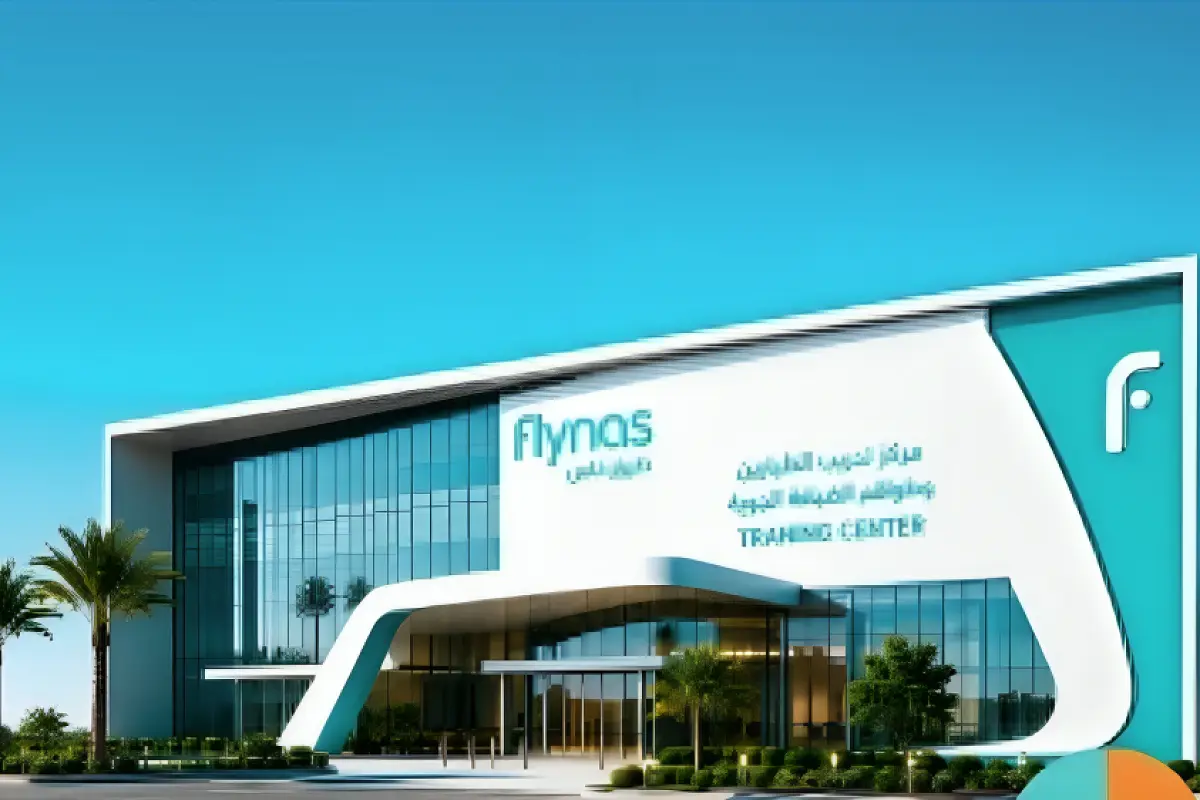
flynas Is Building a Training Center for a Fleet That Doesn't Exist Yet, the Math Behind SAR 200 Million Only Makes Sense Against 235 Firm Aircraft
flynas broke ground on a SAR 200 million pilot and cabin crew training center in Riyadh's Al Rimal district, built in partnership with Airbus, CAE and Restart, and scheduled to open in 2028 with capacity for roughly 700 trainees daily. The facility opens with three flight simulators, is designed to house eight, and can ultimately expand to fourteen. That expansion runway is the whole story, flynas is not building training infrastructure for the airline it operates today. It is building for the airline its orderbook says it will become.
A facility engineered for 14 simulators, opening with 3, is not conservative planning. It is a company building years ahead of a fleet delivery curve it already knows is coming.
Why the flynas Training Center Timing Lines Up With Its 235 Aircraft Order
flynas currently operates a fleet in the 50 to 74-aircraft range depending on the delivery snapshot, but its confirmed Airbus orderbook, covered extensively in this feed's earlier reporting on the airline's Farnborough commitments, stands at 235 firm aircraft out of a 280-jet total orderbook, split between 215 A320-family narrowbodies and 20 confirmed A330neo widebodies. The airline expects to more than double its operating fleet by 2030, receiving roughly eight additional A320neo aircraft in 2026 alone. Every one of those aircraft needs a minimum of two type-rated pilots, alongside a full cabin crew complement, and the A330neo widebody deliveries beginning from 2027 introduce an entirely new training requirement that flynas has never had to manage in-house before, since the airline has operated an essentially narrowbody-only fleet until now.
The training center's 2028 opening date sits precisely inside that widebody transition window. By the time the facility is operational, flynas will already be several A330neo deliveries into a fleet type its pilots have historically had no pathway to fly without external training. Building the capability to run that qualification in-house, rather than sending crews abroad to third-party widebody training centres, is not a nice-to-have. It is a prerequisite for the fleet plan to function on schedule.
The Saudisation Angle That Makes the flynas Pilot Training Center More Than an Infrastructure Story
flynas has run its "Future Pilots" programme since 2007, and it already achieved 100% Saudisation of the co-pilot position by producing around 300 Saudi co-pilots through 2024. In parallel with this training center announcement, the airline separately confirmed plans to qualify up to 300 additional Saudi pilots by the end of 2027 through an employment-linked scholarship track under the Custodian of the Two Holy Mosques Scholarship Programme, explicitly extending localisation ambitions beyond the co-pilot seat toward captain-level progression for the first time.
That distinction matters enormously in the current Saudi aviation labour market. Industry benchmarking shows a structural 30-50% pay premium for Saudi nationals in aviation roles under the Kingdom's Nitaqat Saudisation quota system, with pilot cadet programmes at Saudia, flynas, flyadeal and Riyadh Air all heavily prioritising Saudi nationals with full sponsorship. Every Saudi national flynas trains and qualifies domestically is a pilot the airline does not have to source from an international market currently experiencing what industry forecasts describe as a global shortage approaching 35,000 pilots by decade's end, a shortage that has already pushed Saudi pilot salaries to near parity with the UAE as Riyadh Air, flynas, flyadeal and Saudia all compete simultaneously for the same limited crew pool.
Why Every Saudi Carrier Is Fighting the Same War for the Same People
The competitive backdrop here is not abstract. Riyadh Air is recruiting direct-entry captains for its 787 and A350 fleet with aggressive pay packages specifically designed to win type-rated widebody crew away from Emirates and Etihad. flyadeal is doubling its fleet to 100 aircraft by 2030. Saudia has restructured its own pay scales upward specifically to retain experienced crew through the Riyadh Air recruitment cycle. Every Saudi carrier expanding its fleet simultaneously is drawing from the same finite pool of qualified aviation professionals, and the National Aviation Strategy's headline target, 330 million annual passengers by 2030, cannot be met if the Kingdom's airlines are structurally dependent on winning bidding wars against each other and against Gulf rivals for imported talent.
A domestic training pipeline capable of producing 700 trainees a day changes that calculus in a way that recruitment budgets alone cannot. It converts pilot and cabin crew supply from a market flynas has to compete in, into a pipeline flynas substantially controls.
The Cost Argument Behind the SAR 200 Million
flynas CEO Bander Almohanna's own framing was explicit about the financial mechanics: the facility will "reduce reliance on external training facilities and providers, lower the cost of training pilots and cabin crew, and generate sustainable financial savings for the company." That is a specific, quantifiable claim, not just a talent-development soundbite. Every pilot flynas currently sends abroad for type-rating or recurrent training incurs travel costs, accommodation, third-party facility fees and the opportunity cost of a crew member being unavailable for longer than an in-house programme would require. At the scale flynas is now operating, thousands of pilots and cabin crew across a fleet doubling toward 2030, those marginal costs compound into a sum large enough to justify a nine-figure capital investment in owned infrastructure.
Airbus and CAE's involvement as training partners is the technical backbone that makes the 2028 timeline credible, CAE is the dominant global provider of commercial flight simulator technology, and Airbus's direct participation ensures the facility's A320 and A330neo simulator capability is factory-current rather than retrofitted. This is the same Airbus relationship this feed covered earlier in 2026 when flynas and Airbus signed an agreement specifically to implement updated pilot training programmes, the Riyadh training center is the physical infrastructure that agreement was always going to require.
What the 14 Simulators Ultimately Signal for flynas Fleet Expansion
A facility built for 700 daily trainees and expandable to 14 simulators is not sized for flynas's current 50-to-74-aircraft fleet. It is sized for an airline operating several hundred aircraft, the scale flynas's own 280-aircraft orderbook points toward by early the next decade, and the scale Saudi Arabia's National Aviation Strategy requires from its carriers collectively to hit 330 million annual passengers. Ground has been broken. The simulators are being installed in phases specifically so the facility can scale in step with deliveries rather than sitting either underused or overwhelmed at any point along the way.
What the flynas Airbus A330neo Order Means for Saudi Pilot Training
The airline is not betting that this fleet growth happens. Every metric this feed has tracked across flynas's 2026 announcements, the Farnborough order confirmations, the EXPRO government travel deal, the Syria joint venture, and now this training center, points to a company executing a single coordinated strategy rather than making one-off announcements. The training center is simply the piece of that strategy that ensures flynas has enough qualified Saudi nationals in the cockpit and cabin to actually fly the aircraft the rest of the strategy is bringing in.