Global Aviation Authorities Move to Tighten Rules on Power Banks Amid Rising Safety Concerns
Global aviation regulators are introducing stricter rules on carrying and using power banks onboard flights due to increasing safety risks linked to lithium-ion batteries.
 Jishan Khan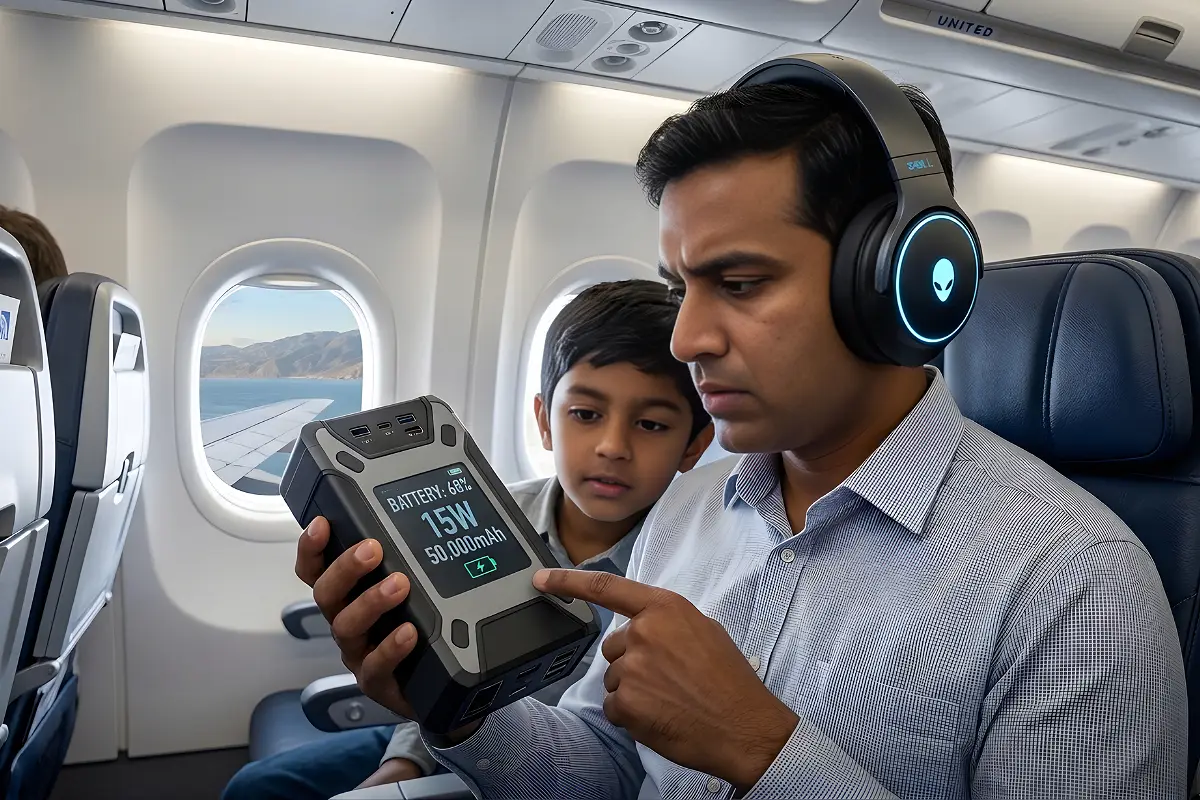
Global aviation regulators are moving to tighten rules on the carriage and use of power banks onboard aircraft in 2026, responding to growing safety concerns related to lithium-ion battery incidents. Authorities, airlines, and safety bodies worldwide are reviewing existing policies to reduce the risk of onboard fires and improve passenger safety across international and domestic flights.
The changes come amid an increase in reported incidents involving overheating, short circuits, and battery malfunctions linked to portable power banks. Aviation authorities are focusing on stricter enforcement of size limits, improved passenger awareness, and clearer guidelines on storage and usage during flights.
Rising Safety Concerns Over Lithium-Ion Batteries
Lithium-ion batteries, commonly used in power banks, smartphones, and other portable devices, have long been identified as a potential fire risk if damaged, improperly handled, or exposed to extreme conditions. In recent years, airlines have reported multiple cases of power banks overheating or catching fire in cabins, prompting renewed scrutiny.
Unlike cargo hold incidents, fires in the cabin can be detected and addressed more quickly by crew members. However, the confined environment of an aircraft cabin makes even small fires a significant safety concern. This has led regulators to prioritize preventive measures to minimize the likelihood of such incidents.
Experts note that the risk increases when power banks are of low quality, counterfeit, or exceed approved capacity limits, making enforcement of standards a key focus for authorities.
Stricter Regulations on Capacity and Quantity
Under updated guidelines being considered and implemented in various regions, passengers may face stricter limits on the capacity and number of power banks they can carry onboard. Most airlines already restrict power banks exceeding 100 watt-hours (Wh) without prior approval, but enforcement is expected to become more rigorous.
Authorities are also evaluating whether to reduce permissible limits or require clearer labeling on battery capacity to ensure compliance. Passengers carrying multiple high-capacity power banks may be subject to additional screening or restrictions.
The aim is to ensure that only safe, certified devices are brought onboard, reducing the likelihood of battery-related incidents during flights.
Enhanced Guidelines for Storage and Usage
In addition to capacity limits, new rules emphasize proper storage and handling of power banks during flights. Passengers are generally required to carry power banks in their cabin baggage rather than checked luggage, as incidents in the cargo hold are more difficult to detect and control.
Airlines are also reinforcing guidance that power banks should not be used if damaged, overheating, or showing signs of malfunction. Some carriers are considering restrictions on charging devices during certain phases of flight or requiring passengers to keep power banks within reach at all times.
Cabin crew training is being updated to include improved procedures for handling battery-related incidents, ensuring quick and effective responses if problems arise.
Airlines Strengthen Safety Measures
Airlines across different regions are aligning their policies with evolving regulatory guidance, introducing additional safety measures to address the risks associated with power banks. These measures include enhanced passenger announcements, stricter pre-boarding checks, and increased vigilance by cabin crew.
Some airlines have begun conducting more thorough inspections of electronic devices at security checkpoints, particularly on high-traffic international routes. Others are working with airport authorities to improve screening technologies capable of identifying potentially hazardous batteries.
These efforts reflect a coordinated approach between airlines and regulators to maintain high safety standards while accommodating the widespread use of portable electronic devices.
Impact on Passengers and Travel Experience
For passengers, the new regulations may require greater awareness and preparation before traveling. Travelers are advised to check airline-specific rules regarding power banks, ensure devices meet safety standards, and carry them properly during flights.
While the restrictions may introduce minor inconveniences, such as limits on the number of devices or additional screening procedures, they are intended to enhance overall safety. Most passengers are expected to adapt quickly, as power bank regulations have been gradually evolving over the past decade.
Clear communication from airlines and airports will play a crucial role in minimizing confusion and ensuring compliance with the updated rules.
Global Coordination Among Regulators
Aviation safety is governed by a combination of international standards and national regulations, making coordination among global authorities essential. Organizations responsible for aviation safety are working together to harmonize rules and ensure consistent enforcement across different regions.
This coordinated approach helps prevent confusion among passengers traveling internationally and ensures that safety measures are applied uniformly. It also allows for the sharing of data and best practices related to battery safety and incident prevention.
As the use of portable electronic devices continues to grow, regulators are expected to remain vigilant and adapt policies as needed to address emerging risks.
Technological and Industry Responses
Manufacturers of power banks and electronic devices are also responding to increased regulatory scrutiny by improving product safety standards. This includes better battery management systems, enhanced thermal protection, and clearer labeling of capacity and specifications.
The industry is exploring innovations that could reduce the risk of overheating and improve overall battery reliability. Collaboration between manufacturers, airlines, and regulators is expected to play a key role in developing safer technologies.
In the long term, advancements in battery technology may help mitigate risks and reduce the need for strict restrictions, although safety will remain a top priority.
Future Outlook
Looking ahead, aviation authorities are likely to continue refining rules on power banks and other battery-powered devices as new data and technologies emerge. The focus will remain on balancing passenger convenience with the need to maintain high safety standards.
Airlines may introduce additional measures, such as digital declarations for electronic devices or automated screening systems, to streamline compliance while enhancing safety.
Passengers can expect ongoing updates to guidelines, making it important to stay informed before traveling, particularly on international routes.
Conclusion
Global aviation regulators are tightening rules on power banks to address safety risks associated with lithium-ion batteries, with new measures focusing on stricter limits, improved handling, and enhanced passenger awareness as the industry works to prevent onboard incidents.