Gulf Air Extends Dammam Operations Amid Bahrain Airport Closure
Gulf Air has extended operations from Dammam as Bahrain airport closures disrupt normal services, allowing the airline to maintain connectivity during regional tensions.
 Jishan Khan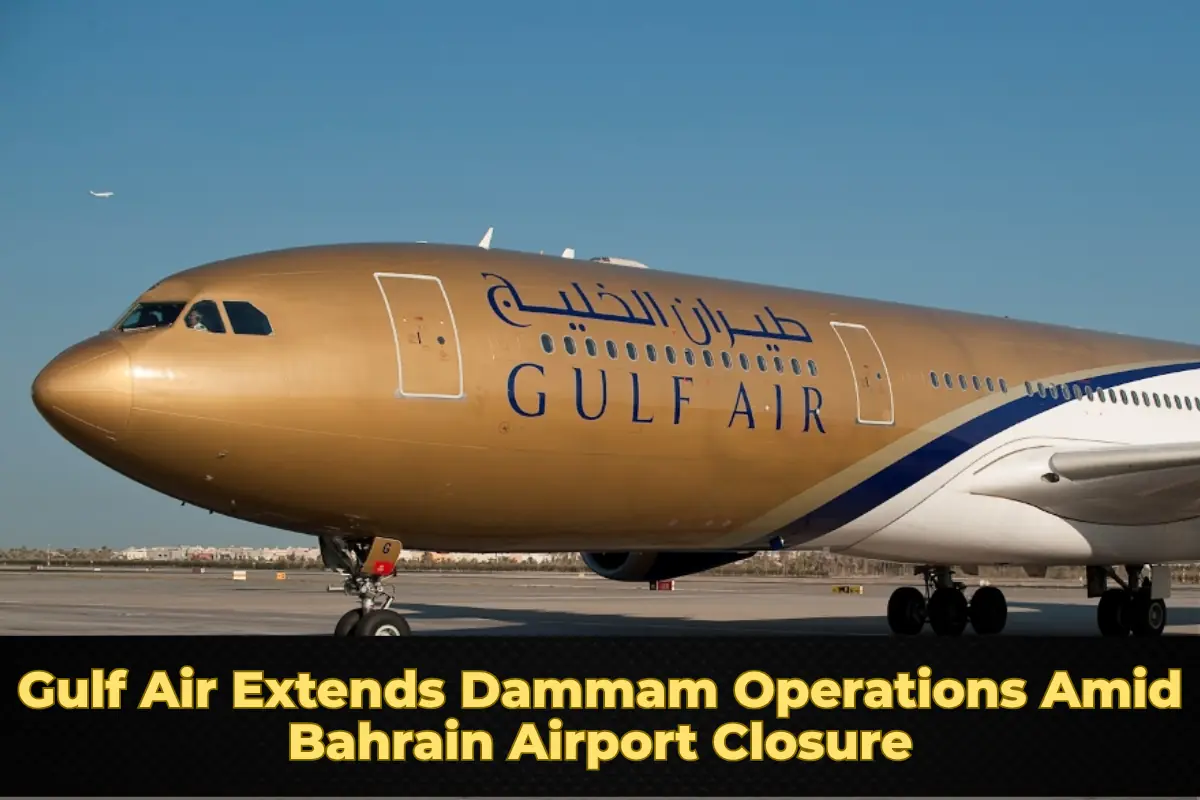
Gulf Air has extended its flight operations from Dammam in Saudi Arabia in 2026 following the closure of Bahrain’s main airport, as regional tensions and security concerns disrupt aviation services in the Gulf. The Bahraini national carrier shifted part of its operations to King Fahd International Airport in Dammam to maintain connectivity and minimize disruption for passengers.
The move comes as Bahrain temporarily halted airport operations due to escalating geopolitical risks in the region, forcing airlines to quickly adapt their operational strategies. Gulf Air, which is headquartered in Bahrain, has implemented contingency measures to continue services by leveraging nearby infrastructure in Saudi Arabia.
Operational Shift to Dammam
Gulf Air’s decision to extend operations from Dammam reflects the airline’s need to sustain flight services while its primary hub remains unavailable. King Fahd International Airport, located approximately 80 kilometers from Bahrain, has become a critical alternative gateway for passengers.
The airline has been operating select flights to and from Dammam, allowing travelers to continue their journeys with minimal disruption. Ground transportation arrangements have also been facilitated to connect passengers between Bahrain and the Saudi airport.
This operational shift underscores the importance of regional airport cooperation during times of crisis.
Impact of Bahrain Airport Closure
The closure of Bahrain’s airport has significantly affected air travel in the region, disrupting both passenger and cargo operations. As a key hub in the Gulf, the airport plays an essential role in connecting regional and international destinations.
Airlines operating to and from Bahrain have been forced to suspend or reroute flights, leading to schedule changes and logistical challenges. The disruption highlights the vulnerability of aviation networks to geopolitical developments.
For Gulf Air, the closure directly impacts its core operations, making the use of alternative airports a necessity rather than an option.
Maintaining Connectivity
By extending operations from Dammam, Gulf Air aims to maintain connectivity for passengers traveling to and from Bahrain. The airline has prioritized key routes to ensure that essential travel needs are met despite the challenging circumstances.
Efforts have been made to keep passengers informed about changes to flight schedules and departure points. Customer support services have been enhanced to assist with rebookings and travel adjustments.
Maintaining service continuity is critical for preserving passenger confidence during disruptions.
Regional Aviation Challenges
The situation in Bahrain is part of a broader pattern of aviation disruptions across the Middle East, where geopolitical tensions have led to airspace restrictions and operational uncertainties. Airlines across the region are adjusting routes, schedules, and operational bases in response.
These disruptions often result in longer flight times, increased fuel consumption, and higher operational costs. Airlines must balance these challenges while ensuring safety and reliability.
Gulf Air’s response reflects the adaptability required to navigate such complex operating environments.
Logistical and Passenger Considerations
Operating from an alternative airport presents logistical challenges, including coordinating ground transportation, managing baggage transfers, and ensuring smooth passenger flow. Gulf Air has implemented measures to address these issues, although some inconvenience for travelers is unavoidable.
Passengers are advised to check their flight details carefully and allow additional time for travel between Bahrain and Dammam. The airline continues to provide updates as the situation evolves.
Clear communication and efficient coordination are essential for minimizing disruption.
Economic and Operational Implications
The extended use of Dammam as an operational base may have financial implications for Gulf Air, including increased operational costs and potential revenue impacts. However, maintaining flight services helps mitigate losses and supports the broader travel ecosystem.
The aviation sector plays a vital role in regional economies, and disruptions can have ripple effects across tourism, trade, and business activities. Ensuring continuity of operations is therefore a key priority.
Gulf Air’s strategy aims to balance operational continuity with financial sustainability.
Coordination with Authorities
The airline is working closely with aviation authorities in both Bahrain and Saudi Arabia to ensure compliance with regulations and facilitate smooth operations. Coordination between governments and airlines is crucial for managing crises effectively.
Air traffic management, security protocols, and passenger handling procedures are being continuously reviewed to adapt to changing conditions.
This collaborative approach supports the safe and efficient operation of flights during disruptions.
Industry-Wide Response
Airlines across the Middle East are implementing similar contingency measures, including rerouting flights and utilizing alternative airports. The situation has prompted a coordinated response within the industry to maintain connectivity.
The ability to quickly adapt operations is a key factor in minimizing the impact of disruptions. Airlines with flexible strategies and strong regional partnerships are better positioned to manage such challenges.
Gulf Air’s actions are part of a broader effort to sustain aviation services in a volatile environment.
Future Outlook
The duration of Bahrain’s airport closure remains uncertain, with operations expected to resume once conditions stabilize. Gulf Air is likely to continue using Dammam as a temporary base until it is safe to return to normal operations.
The airline’s experience during this period may influence future contingency planning and operational strategies. Building resilience against external disruptions is becoming increasingly important in the aviation industry.
Stakeholders will be closely monitoring developments as the situation evolves.
Current Status
Gulf Air has extended its operations from Dammam as Bahrain’s airport remains closed, ensuring continued connectivity while regional disruptions persist.