Indian Airlines Seek Tax Relief as Jet Fuel Prices Surge, Raising Cost Pressures
Indian airlines are seeking tax relief and lower airport charges as rising jet fuel prices increase operational costs and threaten profitability.
 Jishan Khan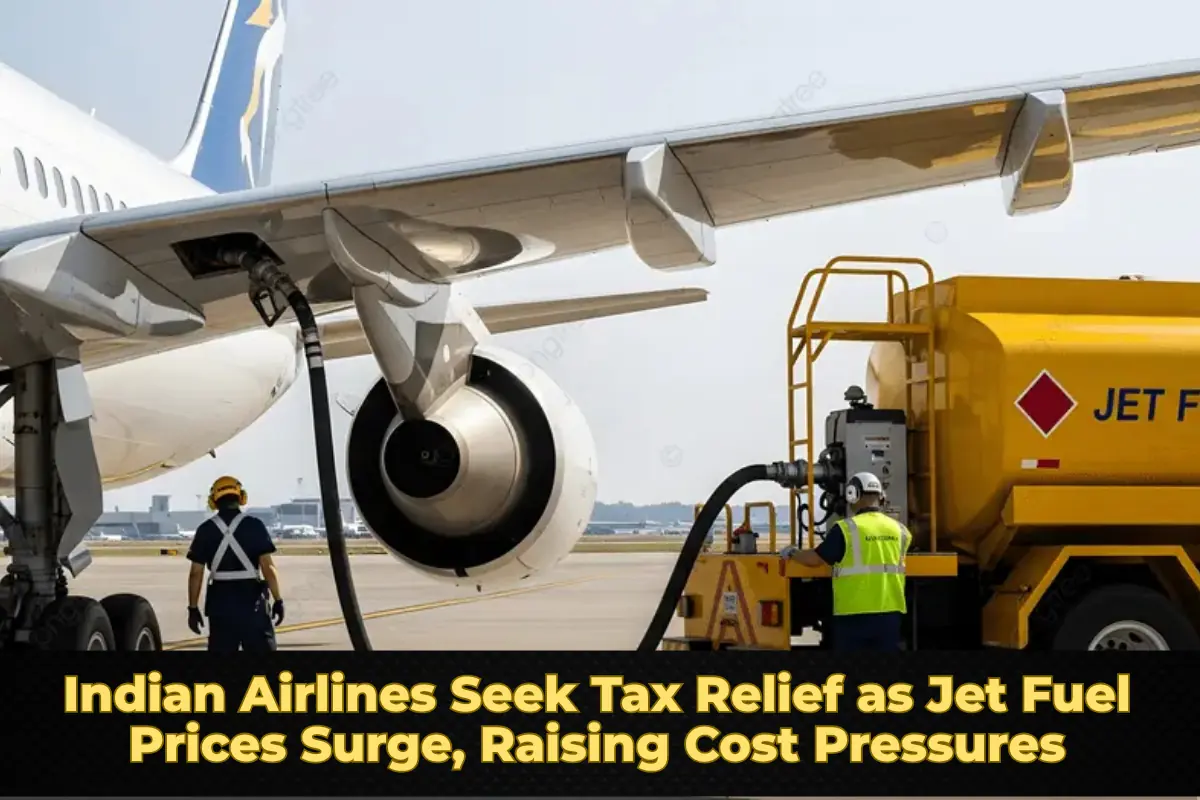
Indian Airlines Seek Tax Relief as Jet Fuel Prices Surge, Raising Cost Pressures
Indian airlines are urging the government to provide tax relief and reduce airport charges in 2026 as a sharp increase in jet fuel prices drives up operational costs, threatening profitability and potentially impacting airfares across the country. The appeal comes as carriers struggle to manage one of the largest components of their expenses amid volatile global energy markets.
Airlines operating in India have highlighted that aviation turbine fuel (ATF) prices have risen significantly in recent months, placing financial strain on both full-service and low-cost carriers. The industry is calling for policy support, including tax rationalization and adjustments to airport fees, to maintain operational viability and sustain growth in the aviation sector.
Rising Fuel Costs Pressure Airlines
Jet fuel accounts for a substantial portion of airline operating expenses, often representing up to 40% of total costs. The recent surge in fuel prices has therefore had an immediate and significant impact on airline balance sheets, forcing carriers to reassess pricing strategies and cost structures.
Indian airlines, already operating in a highly competitive and price-sensitive market, face limited flexibility in passing on increased costs to passengers. While fare adjustments are one option, intense competition and demand sensitivity constrain the extent to which airlines can raise ticket prices without affecting load factors.
The current situation underscores the vulnerability of airlines to fluctuations in global energy markets, particularly in regions where fuel taxes are relatively high.
Industry Seeks Tax Rationalization
One of the primary demands from the aviation industry is the reduction of taxes on aviation turbine fuel. In India, ATF is subject to state-level taxes that can vary significantly, contributing to higher overall fuel costs compared to global benchmarks.
Airlines are advocating for the inclusion of ATF under the Goods and Services Tax (GST) framework, which could standardize taxation and reduce the financial burden on carriers. Industry stakeholders argue that such a move would improve cost efficiency and enhance the competitiveness of Indian aviation.
Tax rationalization has long been a key issue for the sector, with airlines repeatedly highlighting the need for structural reforms to support sustainable growth.
Call for Lower Airport Charges
In addition to fuel taxes, airlines are also seeking reductions in airport charges, which form another significant component of operating costs. These charges include landing fees, parking fees, and other service-related costs imposed by airport operators.
Carriers argue that lowering airport charges would help offset the impact of rising fuel prices and enable airlines to maintain more competitive fare levels. This is particularly important in a market like India, where affordability is a major driver of passenger demand.
Airport operators, however, must balance these requests with their own financial requirements, including infrastructure development and maintenance costs.
Impact on Airfares and Demand
The increase in fuel costs, combined with existing financial pressures, raises the possibility of higher airfares in the near term. Airlines may be forced to pass on part of the cost burden to passengers, especially if fuel prices remain elevated for an extended period.
Higher ticket prices could affect demand, particularly among price-sensitive travelers who make up a large portion of the Indian market. This, in turn, could influence airline capacity decisions and route planning.
Maintaining a balance between cost recovery and demand stimulation remains a key challenge for airlines in the current environment.
Government’s Role in Supporting Aviation
The aviation industry plays a critical role in India’s economic development, supporting tourism, trade, and connectivity across regions. As such, airlines are emphasizing the importance of government support in addressing cost pressures and ensuring the sector’s long-term sustainability.
Policy measures such as tax relief and reduced airport charges could provide immediate financial relief to airlines, helping them navigate current challenges while continuing to invest in growth and expansion.
The government’s response to these requests will be closely watched by industry stakeholders and could shape the trajectory of the aviation sector in the coming months.
Broader Industry Context
The challenges faced by Indian airlines are part of a global trend, with carriers worldwide grappling with rising fuel prices and cost pressures. Many airlines have implemented fuel surcharges, adjusted capacity, or pursued efficiency measures to mitigate the impact.
In India, the situation is further complicated by structural factors such as high taxation and competitive market dynamics. Addressing these issues will be essential for ensuring the resilience and competitiveness of the aviation sector.
The current environment highlights the need for a coordinated approach involving airlines, regulators, and airport operators.
Future Outlook
Looking ahead, the outlook for Indian airlines will depend on the trajectory of fuel prices and the policy decisions taken by the government. If fuel costs remain high, airlines may need to implement additional measures to manage expenses and protect margins.
At the same time, any relief in the form of tax reductions or lower airport charges could provide a significant boost to the industry, enabling airlines to stabilize operations and maintain growth momentum.
The ability to adapt to changing conditions will be crucial for airlines navigating this challenging environment.
Current Status
Indian airlines are actively seeking tax relief and reduced airport charges as rising jet fuel prices continue to strain operations, with discussions ongoing between industry stakeholders and the government.