Iran Conflict Hits Airline Profits, Fuel Costs Soar
The Iran conflict has slashed global airline profits by half in 2026 as jet fuel prices soar, exposing carriers with limited fuel hedging and reshaping aviation economics worldwide.
 Jishan Khan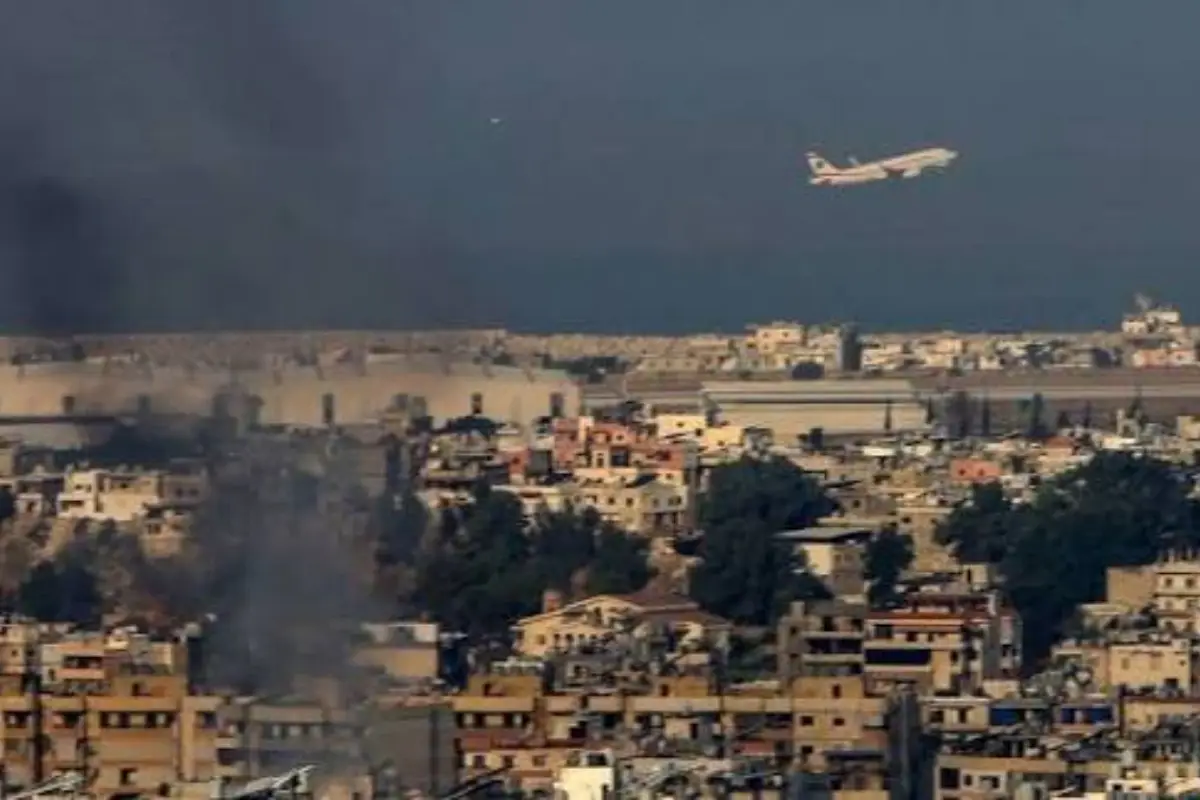
The Iran Conflict Just Halved the Global Aviation Industry's Profits, and the Hedges Are Running Out
IATA confirmed in June 2026 that the Middle East conflict has cut global airline industry profitability in half, slashing net profits from a projected USD 36 billion to approximately USD 16 billion for the full year. Jet fuel prices surged 70% within weeks of the February 28 US-Israel strikes against Iran, with European spot prices hitting between USD 1,573 and USD 1,838 per tonne by May. Every major airline is now managing the same crisis in a completely different way, and the gap between those that prepared and those that didn't is becoming the defining story of aviation in 2026.
The Strait of Hormuz handles roughly 20% of the world's oil trade. When it effectively closed on March 4, the math for every airline on earth changed overnight.
Why Hedging Is the Only Thing Separating Winners From Casualties
The crisis has created two tiers of airline, those insulated by fuel hedging and those absorbing the full market price in real time. Ryanair had around 80% of its fuel needs hedged through April 2027 at roughly $67 per barrel, a position that has kept the Irish carrier commercially stable while competitors scramble. Lufthansa is approximately 77% hedged for full-year 2026, making it one of Europe's best-protected carriers despite being among the first to ground aircraft in response to cost pressure. Both Wizz Air and Ryanair say they are mostly hedged for 2026 but will be exposed if high prices continue into 2027, which means the clock is already running on the window of protection.
American carriers are in a structurally weaker position. United States carriers, which largely abandoned fuel hedging in prior years, face heightened exposure to crude price spikes. Delta's ownership of the Trainer refinery insulated its operations, enabling long-haul schedules while generating significant financial returns from elevated refining margins. Southwest, which once ran the most sophisticated hedging programme in the industry before abandoning it after years of losses on the positions, now has only legacy contracts providing limited cover. Southwest's stock dropped as TD Cowen slashed its price target to $46, with jet fuel costs having jumped approximately 70% since the start of the Iran conflict.
The Carriers That Cannot Survive the Price
At the unhedged end of the market, the situation is existential rather than uncomfortable. Carriers like AAX and Batik Air Malaysia remain largely unhedged and most exposed. "At this current elevated fuel price, it's very hard to withstand the money that's draining every day." Even if they double airfares, it's very hard to break even. "At some point, operating flights simply becomes unsustainable."
The rerouting costs compound the fuel price problem on international routes. Detours to avoid restricted airspace add up to four hours to flight times, significantly increasing fuel burn. An airline paying double for fuel and then burning 20-25% more of it on every long-haul departure is facing a cost structure that no fare increase can fully offset. That is why capacity cuts, route suspensions and aircraft groundings have all followed the fuel price spike rather than preceded it.
What Passengers Are Paying and What Airlines Are Absorbing
The industry cannot pass all of this to passengers without destroying demand. IATA's June projection assumed airlines would recover some costs through higher fares but absorb a significant portion of the increase in compressed margins, hence the halving of profitability rather than a complete collapse. Airlines have been forced to cancel flights, restructure networks, and raise fares to maintain financial stability, but the pricing ceiling is real. Passengers have options, fly less, drive, take trains, and airlines that push fares too aggressively risk filling planes at lower yields rather than higher ones.
The hedges that are protecting carriers now expire on different timelines. Both Wizz Air and Ryanair will be exposed if high oil prices continue into 2027. Lufthansa's 77% cover runs through year-end. If the Strait of Hormuz remains restricted into next year, the second wave of airline financial pressure will hit carriers that are currently reporting stable results, and it will arrive without the cushion of forward contracts to soften it.
The crisis began on February 28. The hedges bought time. The clock on that time is running down.