Israir Reduces Rami Levy Club Stake to 10% as Expansion Strategy Advances
Israir has reduced its stake in the Rami Levy Club to 10% as part of a broader strategy to support expansion and optimize financial resources.
 Jishan Khan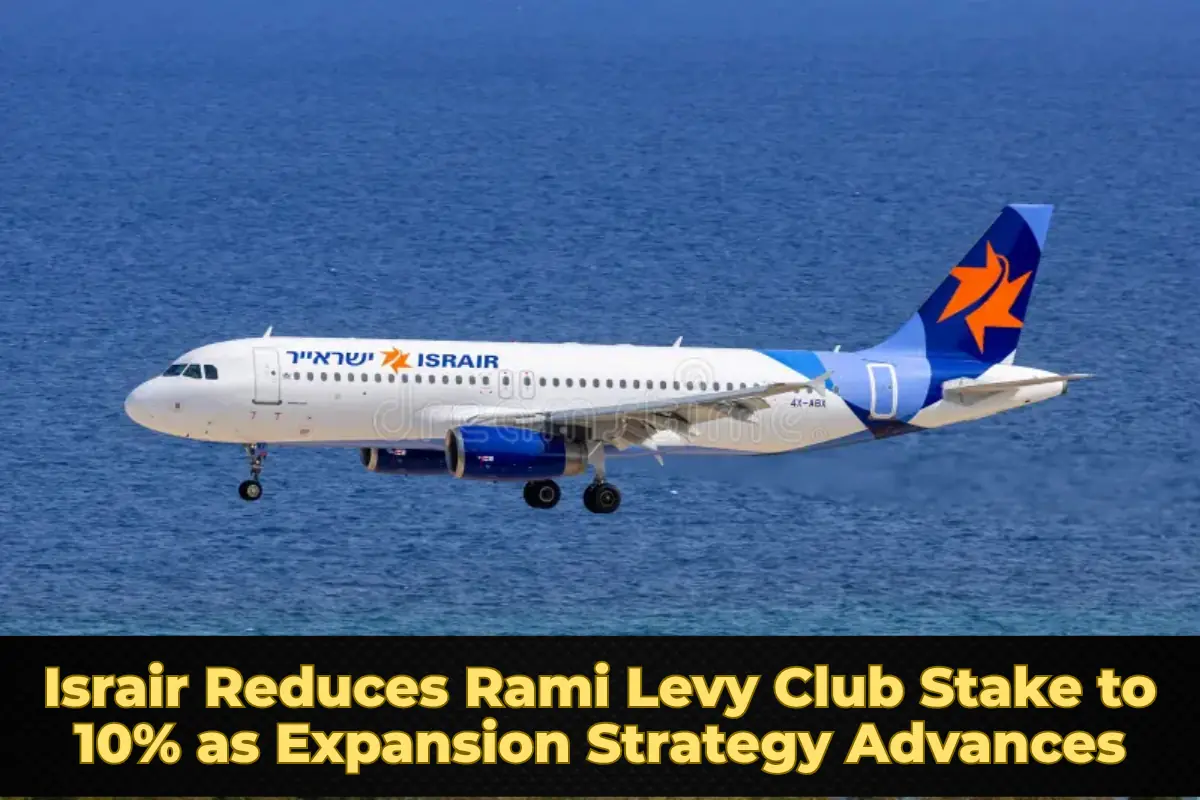
Israir has reduced its stake in the Rami Levy Club to 10% in 2026, as the Israeli airline moves to streamline its investment portfolio and support ongoing expansion efforts, the company confirmed. The decision reflects a broader strategy to optimize capital allocation while focusing on core aviation operations and growth opportunities.
The move involves scaling back its shareholding in the consumer-focused loyalty and retail venture, allowing Israir to unlock financial resources and redirect them toward strengthening its airline business. The development comes at a time when carriers globally are reassessing investments and prioritizing operational efficiency amid a dynamic aviation environment.
Strategic Stake Reduction
Israir’s decision to cut its stake to 10% marks a shift in its investment strategy, as the airline seeks to focus more closely on its core operations. By reducing its exposure to non-core assets, the company aims to improve financial flexibility and support long-term growth plans.
The Rami Levy Club, associated with retail and customer loyalty initiatives, had previously been part of Israir’s broader diversification efforts. However, changing market conditions and evolving priorities have prompted the airline to reassess its involvement.
Reducing the stake enables Israir to maintain a presence in the venture while freeing up capital for more critical investments.
Focus on Expansion Plans
The stake reduction aligns with Israir’s expansion strategy, which includes strengthening its route network, enhancing fleet capabilities, and improving service offerings. The airline is positioning itself to capture growing demand in both domestic and international markets.
By reallocating resources, Israir aims to invest in areas that directly contribute to revenue generation and operational performance. Expansion efforts may include increasing flight frequencies, launching new routes, and upgrading customer experience.
This strategic focus reflects a broader trend among airlines seeking to concentrate on high-impact investments.
Financial Optimization and Liquidity
Unlocking capital from non-core investments is a common approach for airlines looking to enhance liquidity and financial resilience. Israir’s decision to reduce its stake provides additional financial flexibility, enabling the company to respond more effectively to market opportunities and challenges.
The aviation industry continues to face cost pressures from fuel prices, operational complexities, and geopolitical uncertainties. Strengthening liquidity is therefore a key priority for maintaining stability and supporting growth.
Israir’s move demonstrates a proactive approach to managing its financial position in a competitive environment.
Industry Context and Trends
Airlines worldwide are increasingly focusing on core operations while divesting or reducing stakes in non-essential ventures. This trend reflects the need to optimize resources and maintain competitiveness in an industry characterized by thin margins and high operational costs.
Investments in loyalty programs, retail partnerships, and ancillary services remain important, but airlines are becoming more selective in how they allocate capital. The emphasis is shifting toward initiatives that deliver direct and measurable returns.
Israir’s decision is consistent with these broader industry dynamics.
Impact on the Rami Levy Club
The reduction in Israir’s stake may lead to changes in the governance or strategic direction of the Rami Levy Club, depending on the involvement of other stakeholders. However, the airline’s continued minority participation suggests an ongoing interest in the venture.
The club’s operations, which focus on customer engagement and retail benefits, are expected to continue, although the level of integration with Israir’s services may evolve.
Stakeholders will be monitoring how the partnership develops following the adjustment in ownership.
Operational Priorities for Israir
Israir’s primary focus remains on strengthening its position in the aviation market. This includes optimizing fleet utilization, improving operational efficiency, and enhancing customer satisfaction.
The airline operates in a competitive regional market, where factors such as pricing, service quality, and network coverage play a critical role in attracting passengers. Investments supported by the stake reduction are expected to reinforce these areas.
Maintaining operational excellence is key to sustaining growth and competitiveness.
Market Positioning and Competition
The Israeli aviation market is characterized by strong competition, with multiple carriers vying for market share across domestic and international routes. Israir is positioning itself to remain competitive by focusing on efficiency and targeted expansion.
Strategic decisions such as reducing non-core investments can enhance the airline’s ability to compete by freeing up resources for critical initiatives. This approach is particularly important in a market where demand can fluctuate and external factors can impact operations.
Israir’s actions reflect an effort to strengthen its market position in a challenging environment.
Potential Risks and Considerations
While the stake reduction provides financial benefits, it also reduces Israir’s influence over the Rami Levy Club. The airline will need to balance its reduced ownership with its strategic interests in the venture.
Additionally, the success of the expansion strategy will depend on market conditions, including demand trends and operational costs. External factors such as geopolitical developments and economic conditions could impact outcomes.
Careful management of these risks will be essential for achieving long-term objectives.
Future Outlook
Looking ahead, Israir is expected to continue focusing on core aviation activities while exploring opportunities for growth and efficiency. The reduction in its stake in the Rami Levy Club is likely to be part of a broader strategy to streamline operations and enhance financial performance.
The airline’s ability to execute its expansion plans and adapt to changing market conditions will be critical in determining its future trajectory. Continued investment in key areas is expected to drive growth and competitiveness.
Industry observers will be watching closely to see how Israir leverages its strengthened financial position.
Current Status
Israir has reduced its stake in the Rami Levy Club to 10% as part of its expansion strategy, with the airline continuing to focus on strengthening its core aviation operations.