Korean Air Confirms Order for 103 Boeing Aircraft in Major Fleet Expansion
Korean Air has confirmed an order for 103 Boeing aircraft, marking a major fleet expansion to support long-term growth and network development.
 Jishan Khan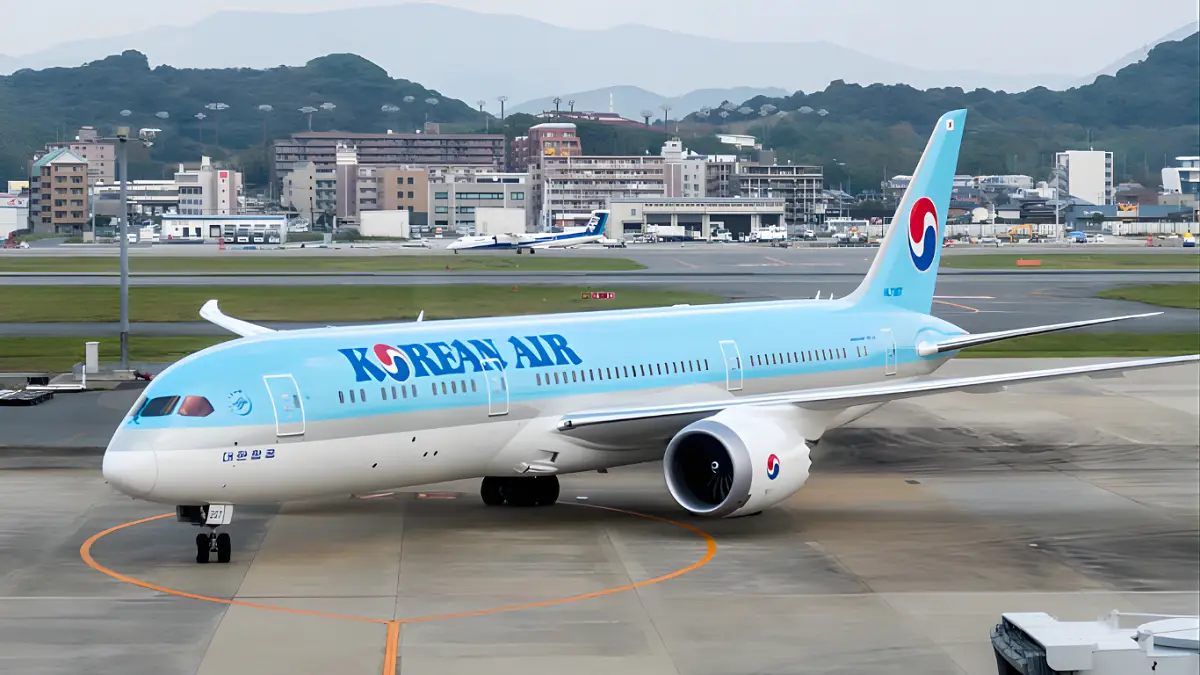
Korean Air has confirmed an order for 103 Boeing aircraft in 2026, marking one of the largest fleet expansion commitments by the South Korean carrier as it seeks to strengthen its long-term growth strategy, enhance operational efficiency, and expand its global network amid rising international travel demand.
The agreement with Boeing includes a mix of widebody and narrowbody aircraft, although detailed breakdowns of specific models have not been fully disclosed. The order is expected to support Korean Air’s fleet modernization efforts while replacing older aircraft and improving fuel efficiency across its operations.
Strategic Fleet Expansion
The order represents a significant milestone for Korean Air as it positions itself for future growth in an increasingly competitive global aviation market. By committing to a large number of new aircraft, the airline aims to enhance capacity, improve reliability, and support its expanding route network.
Fleet expansion is a critical component of airline strategy, particularly as demand for international travel continues to recover and grow. Korean Air’s investment reflects confidence in long-term market trends and the airline’s ability to capture a larger share of global passenger traffic.
The new aircraft will enable the airline to increase frequencies on key routes and potentially launch new destinations, strengthening its presence in major international markets.
Partnership with Boeing
The order underscores Korean Air’s longstanding relationship with Boeing, one of the world’s leading aircraft manufacturers. The airline has historically operated a significant number of Boeing aircraft, and the latest deal reinforces this partnership.
Boeing stands to benefit from the order as it continues to secure commitments from major global carriers. Large aircraft orders are crucial for manufacturers, providing production stability and supporting long-term planning.
The collaboration between Korean Air and Boeing reflects mutual confidence in the aviation market’s recovery and future growth potential.
Focus on Fleet Modernization
In addition to expanding capacity, the new aircraft will play a key role in Korean Air’s fleet modernization program. Replacing older aircraft with newer, more efficient models can significantly reduce fuel consumption, lower maintenance costs, and improve environmental performance.
Modern aircraft are designed with advanced engines, improved aerodynamics, and enhanced onboard technology, offering both operational and passenger experience benefits. The transition to newer aircraft aligns with industry-wide efforts to adopt more sustainable and cost-effective solutions.
Korean Air’s investment in modern aircraft also reflects increasing pressure on airlines to reduce carbon emissions and meet environmental targets.
Impact on Network Growth
The addition of 103 aircraft is expected to support Korean Air’s network expansion plans, enabling the airline to increase capacity on existing routes and explore new markets. The flexibility provided by a larger and more modern fleet is essential for adapting to changing demand patterns.
The airline may focus on strengthening its presence in key regions such as North America, Europe, and Asia, where demand for air travel is recovering and growing. Increased connectivity can enhance the airline’s competitiveness and attract more passengers.
Expanding the network also allows Korean Air to improve connectivity through its hub operations, facilitating seamless travel for passengers connecting between different regions.
Economic and Industry Implications
The order has broader implications for the aviation industry, highlighting continued investment and confidence among airlines despite ongoing challenges such as fuel price volatility and economic uncertainty. Large aircraft deals are often seen as indicators of industry recovery and long-term growth expectations.
For the South Korean economy, the expansion of Korean Air’s fleet can contribute to increased connectivity, tourism, and trade. A stronger national carrier supports economic activity by facilitating international travel and business engagement.
The deal also underscores the importance of aviation as a driver of global economic integration and mobility.
Competitive Landscape
Korean Air’s fleet expansion comes at a time when airlines worldwide are investing in new aircraft to remain competitive. Carriers are focusing on efficiency, sustainability, and passenger experience as key differentiators in the market.
Competitors in Asia and beyond are also placing significant aircraft orders, leading to increased competition for market share. Korean Air’s investment positions it to compete effectively by offering modern aircraft and expanded services.
Maintaining a competitive edge will depend on how effectively the airline integrates the new aircraft into its operations and leverages them to enhance service offerings.
Operational Considerations
Integrating a large number of new aircraft into an airline’s fleet requires careful planning and execution. This includes pilot training, maintenance infrastructure, and operational adjustments to ensure smooth deployment.
Korean Air is expected to implement a phased delivery schedule, allowing it to gradually introduce the aircraft while maintaining operational stability. Such an approach helps manage costs and ensures efficient utilization of resources.
The airline will also need to coordinate with regulatory authorities and airport operators as it expands its operations.
Future Outlook
Looking ahead, Korean Air’s fleet expansion is expected to play a central role in its long-term growth strategy. The airline may continue to explore additional investments and partnerships as it seeks to strengthen its position in the global aviation market.
The success of the expansion will depend on factors such as market demand, economic conditions, and operational performance. However, the scale of the order indicates a strong commitment to growth and modernization.
As the aviation industry evolves, airlines that invest in modern fleets and efficient operations are likely to be better positioned for sustained success.
Conclusion
Korean Air has confirmed an order for 103 Boeing aircraft, marking a major step in its fleet expansion and modernization strategy as it prepares for long-term growth in the global aviation market.