Lufthansa Nearing Major Widebody Aircraft Order, CEO Spohr Signals
Lufthansa is close to placing a major widebody aircraft order as it looks to modernize its fleet and support long-term growth, CEO Carsten Spohr says.
 Jishan Khan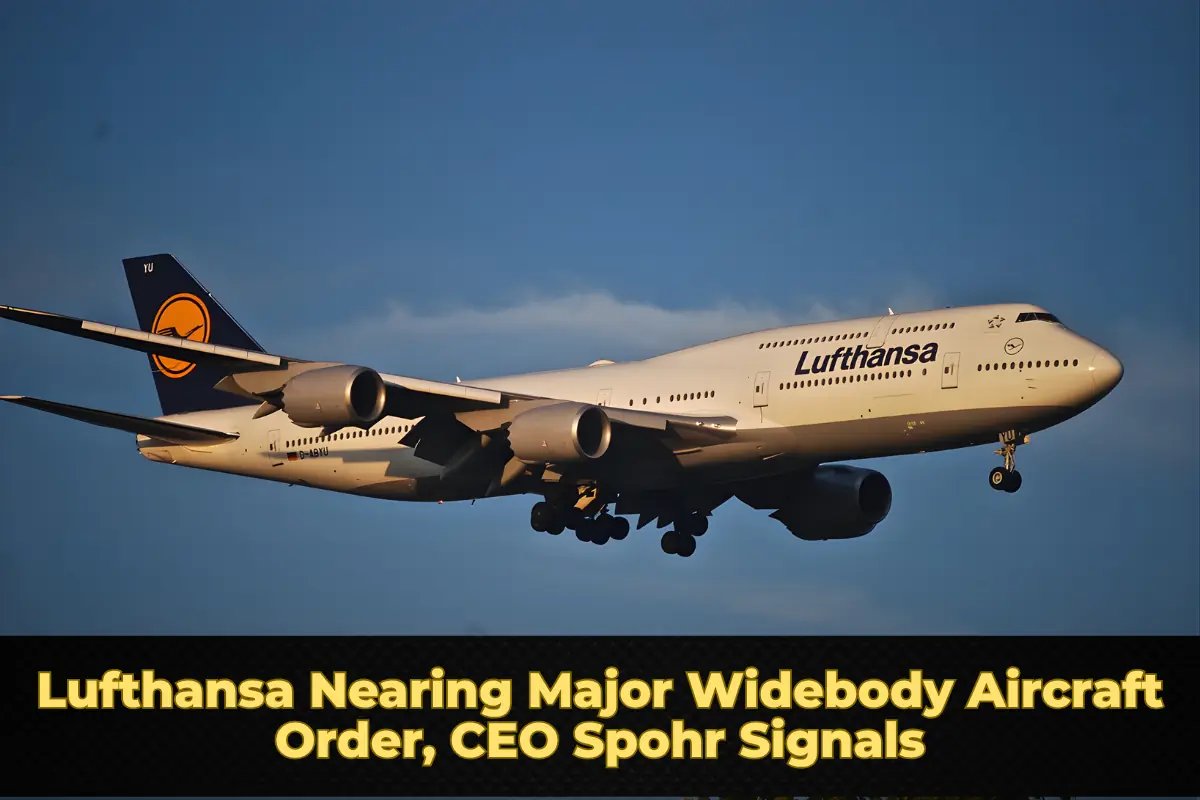
Lufthansa is nearing a significant widebody aircraft order in 2026 as part of its long-term fleet modernization strategy, Chief Executive Carsten Spohr said, signaling the German airline group’s intent to strengthen its long-haul operations and position for future growth. The potential deal, currently under evaluation, would involve new-generation widebody jets aimed at improving efficiency, reducing emissions, and enhancing passenger experience.
The announcement comes as global airlines continue to invest in modern aircraft to meet rising travel demand and address sustainability targets. Lufthansa, one of Europe’s largest airline groups, is assessing its requirements carefully amid ongoing supply chain constraints and evolving market conditions.
Focus on Fleet Modernization
The planned widebody order forms a central part of Lufthansa’s broader fleet renewal program, which aims to replace older aircraft with more fuel-efficient models. Widebody jets are critical for long-haul routes, enabling airlines to connect major global hubs while optimizing operating costs.
Spohr indicated that the airline is close to finalizing its decision, although specific details regarding aircraft types, manufacturers, and order size have not yet been disclosed. The company is expected to evaluate options from leading manufacturers, balancing performance, cost, and delivery timelines.
Fleet modernization has become a priority for airlines seeking to remain competitive while addressing environmental concerns and regulatory pressures.
Strengthening Long-Haul Network
Lufthansa’s potential order reflects its focus on strengthening its long-haul network, which is a key driver of revenue for full-service carriers. The airline operates extensive intercontinental routes connecting Europe with North America, Asia, and other regions.
New widebody aircraft would enable Lufthansa to expand capacity, improve route efficiency, and offer enhanced onboard products to passengers. Modern cabins, improved fuel efficiency, and extended range capabilities are among the expected benefits.
The investment is also aimed at maintaining Lufthansa’s position as a leading global carrier in an increasingly competitive market.
Industry Context and Demand Trends
The move comes amid a broader recovery in long-haul travel demand, as international passenger traffic continues to rebound. Airlines worldwide are placing new aircraft orders to meet anticipated growth and replace aging fleets.
However, supply chain challenges and production delays have complicated fleet planning, with manufacturers facing difficulties in meeting delivery schedules. Lufthansa’s decision will likely take these factors into account, particularly in terms of delivery timelines and aircraft availability.
Balancing immediate operational needs with long-term strategic planning remains a key challenge for airline management teams.
Sustainability and Efficiency Goals
Environmental considerations are playing an increasingly important role in fleet decisions. New-generation widebody aircraft offer significant reductions in fuel consumption and carbon emissions compared to older models.
Lufthansa has committed to reducing its environmental footprint, aligning with industry-wide efforts to achieve net-zero emissions targets. Investing in modern aircraft is a critical component of this strategy.
In addition to fuel efficiency, newer aircraft are designed to support the use of sustainable aviation fuels and advanced technologies that contribute to lower environmental impact.
Financial Considerations
Placing a large aircraft order involves substantial financial commitments, making careful planning essential. Lufthansa is likely to evaluate financing options, including leasing arrangements, purchase agreements, and potential partnerships.
The airline’s financial position has improved in recent years, supported by recovering travel demand and cost management initiatives. However, large capital expenditures require a balanced approach to ensure long-term financial stability.
Market conditions, interest rates, and currency fluctuations will also influence the final structure of the deal.
Competitive Landscape
European airlines are actively investing in fleet upgrades to remain competitive in both regional and global markets. Carriers are focusing on efficiency, customer experience, and network expansion to attract passengers and increase market share.
Lufthansa’s potential order highlights the ongoing competition among airlines to secure modern aircraft that provide operational advantages. Early access to new-generation jets can offer a significant edge in terms of cost efficiency and service quality.
The airline’s decision is expected to influence competitive dynamics within the European aviation sector.
Manufacturer Competition
The order is likely to attract strong interest from major aircraft manufacturers, which are competing to secure large deals from leading airlines. Factors such as pricing, performance, delivery schedules, and after-sales support will play a crucial role in Lufthansa’s selection process.
Manufacturers are increasingly offering customized solutions and flexible arrangements to meet airline requirements. Lufthansa’s choice could have broader implications for market share in the widebody segment.
The outcome of the decision will be closely watched by industry stakeholders.
Operational Benefits
Introducing new widebody aircraft can deliver significant operational benefits, including lower maintenance costs, improved reliability, and enhanced fuel efficiency. These factors contribute to overall cost savings and improved profitability.
Passengers also benefit from upgraded cabin features, including better seating, advanced entertainment systems, and improved comfort. Enhancing the customer experience is a key objective for airlines investing in new aircraft.
Lufthansa is expected to leverage these advantages to strengthen its brand and service offering.
Future Outlook
Looking ahead, Lufthansa is expected to finalize its widebody aircraft order in the near term, with deliveries likely to take place over several years. The investment will support the airline’s long-term growth strategy and operational resilience.
The aviation industry continues to evolve, with airlines adapting to changing demand patterns, technological advancements, and regulatory requirements. Fleet decisions play a central role in shaping future competitiveness.
Lufthansa’s move underscores its commitment to maintaining a modern and efficient fleet as it navigates the complexities of the global aviation market.
Current Status
Lufthansa is close to placing a major widebody aircraft order, with final details expected to be confirmed as the airline completes its evaluation process.