Malaysia Airlines Eyes Expansion into China and Japan Amid Strong Demand Outlook
Malaysia Airlines is exploring expansion into China and Japan, citing strong travel demand and growth opportunities in key Asian markets.
 Jishan Khan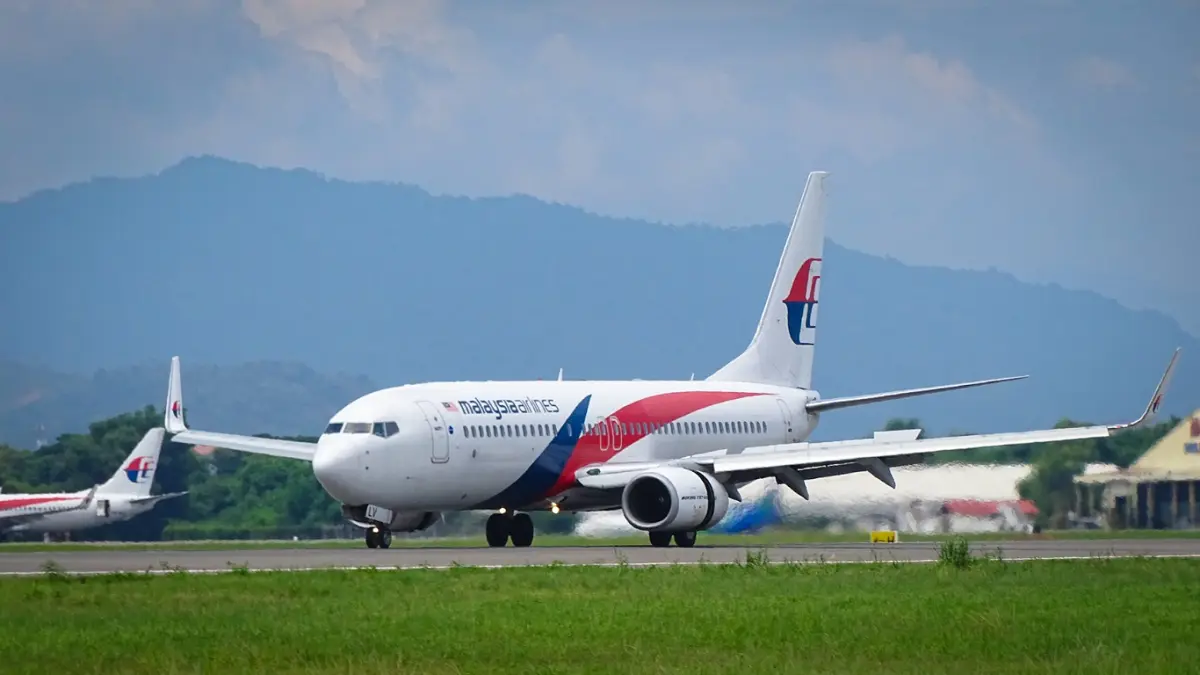
Malaysia Airlines is evaluating plans to expand its network into China and Japan in 2026, citing strong demand for travel across key Asian markets, as the carrier seeks to strengthen its regional presence and capitalize on growing passenger traffic in the post-recovery aviation environment.
The airline is assessing potential new routes and increased frequencies to major cities in China and Japan, driven by rising leisure and business travel demand. The move reflects broader industry trends in Asia, where airlines are focusing on high-growth corridors to support revenue expansion and network development.
Rising Demand Across North Asia
Malaysia Airlines has identified China and Japan as priority markets due to a sustained rebound in passenger demand. Travel between Southeast Asia and North Asia has shown strong recovery momentum, supported by tourism, trade, and business activity.
China, in particular, represents a significant opportunity, with outbound travel increasing as international connectivity continues to improve. Japan remains a key destination for both leisure and corporate travelers, offering consistent demand and high passenger yields.
The airline’s expansion plans are aligned with these demand trends, aiming to capture a larger share of traffic in these competitive markets.
Strategic Network Expansion
The proposed expansion would involve both the introduction of new routes and the enhancement of existing services. Malaysia Airlines is expected to evaluate city pairs that offer strong commercial potential while optimizing its network connectivity through its Kuala Lumpur hub.
By increasing capacity to China and Japan, the airline can strengthen its position as a regional connector, linking Southeast Asia with major North Asian markets. This strategy also supports transit traffic, allowing passengers to connect through Kuala Lumpur to other destinations in the airline’s network.
Network expansion is a key component of the airline’s growth strategy as it seeks to improve competitiveness and market share.
Competitive Landscape in Asia
The Asia-Pacific aviation market is highly competitive, with numerous full-service and low-cost carriers operating extensive networks across the region. Airlines from China, Japan, and Southeast Asia are actively expanding capacity, creating a dynamic and challenging environment.
Malaysia Airlines will need to differentiate its offerings through service quality, scheduling, and connectivity to compete effectively. Strategic partnerships and alliance cooperation may also play a role in enhancing its market position.
The expansion into China and Japan places the airline in direct competition with established carriers, requiring careful planning and execution.
Fleet and Operational Considerations
Expanding into new markets requires efficient fleet utilization and operational planning. Malaysia Airlines is expected to deploy a mix of narrowbody and widebody aircraft depending on route demand and distance.
Aircraft availability, scheduling, and cost efficiency will be critical factors in determining the feasibility of new services. The airline will also need to ensure that its operations align with regulatory requirements and slot availability at major airports.
Operational readiness will play a key role in the success of the expansion strategy.
Economic and Tourism Impact
Increased connectivity between Malaysia, China, and Japan is expected to support tourism and economic activity. Enhanced air links can facilitate travel for tourists, business professionals, and students, contributing to economic growth in the region.
Tourism authorities and industry stakeholders are likely to benefit from improved accessibility, as airlines expand capacity to meet demand. The development also supports trade and investment by strengthening links between key markets.
The expansion reflects the broader role of aviation in driving economic connectivity and regional integration.
Industry Recovery and Growth Trends
The aviation industry in Asia continues to recover and grow, with airlines focusing on rebuilding networks and increasing capacity. Passenger demand has been supported by economic recovery, easing travel restrictions, and pent-up demand for international travel.
Airlines are prioritizing routes with strong demand potential, particularly in regions where travel has rebounded quickly. China and Japan are among the most important markets in this context, offering significant growth opportunities.
Malaysia Airlines’ plans are consistent with these industry trends, highlighting the importance of strategic expansion in a competitive market.
Regulatory and Market Factors
Expanding international routes involves coordination with regulatory authorities and compliance with bilateral air service agreements. Malaysia Airlines will need to secure necessary approvals and ensure alignment with aviation policies in each market.
Market conditions, including demand fluctuations, competition, and economic factors, will also influence the pace and scale of expansion. Airlines must remain flexible in adapting their strategies to changing conditions.
The regulatory environment plays a crucial role in shaping international aviation growth.
Future Outlook
Looking ahead, Malaysia Airlines is expected to continue evaluating opportunities for network expansion as demand evolves. The airline may gradually introduce new routes and adjust capacity based on market performance.
Success in the China and Japan markets could pave the way for further expansion across Asia, strengthening the airline’s regional footprint. Continued investment in service quality and operational efficiency will be essential for sustaining growth.
The airline’s strategy reflects a broader focus on capturing demand in high-growth markets while maintaining financial discipline.
Conclusion
Malaysia Airlines’ plans to expand into China and Japan highlight its efforts to capitalize on strong demand in Asia, with further route announcements expected as the airline finalizes its network strategy.