MASkargo, Qatar Airways, and IAG Cargo to Launch Joint Venture in Late 2026
MASkargo, Qatar Airways Cargo, and IAG Cargo plan to launch a joint venture in late 2026 to enhance global air cargo connectivity and efficiency.
 Jishan Khan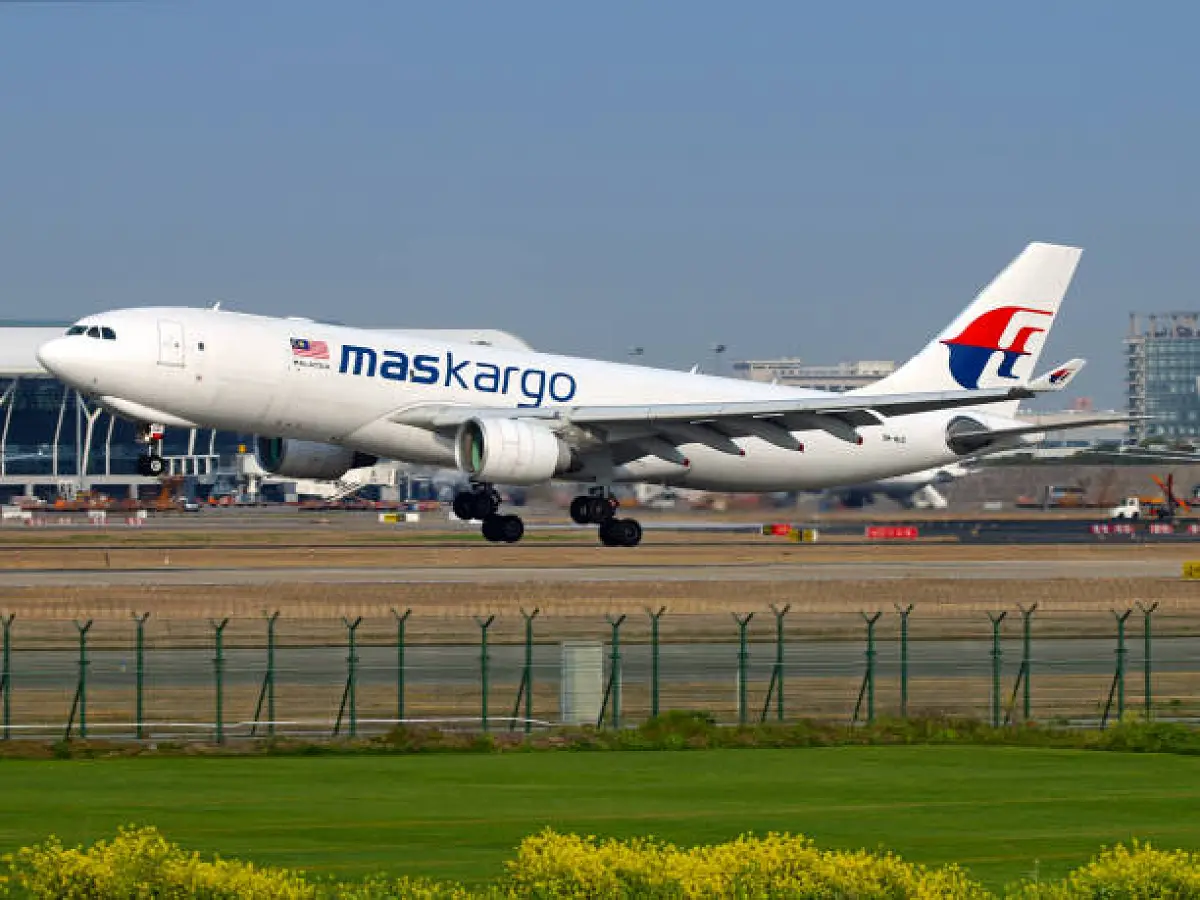
MASkargo, Qatar Airways Cargo, and IAG Cargo are set to launch a joint venture in late 2026 aimed at strengthening global air freight connectivity, improving operational efficiency, and expanding cargo network reach across key international markets, according to industry reports.
The collaboration will bring together the cargo divisions of Malaysia Aviation Group, Qatar Airways, and International Airlines Group, creating a strategic alliance designed to enhance capacity coordination, optimize routes, and offer integrated logistics solutions across Asia, Europe, and the Middle East.
Strategic Collaboration Across Major Cargo Players
The planned joint venture reflects a growing trend in the air cargo sector, where major operators are forming partnerships to remain competitive in a rapidly evolving logistics landscape. By pooling resources and aligning operations, MASkargo, Qatar Airways Cargo, and IAG Cargo aim to create a more seamless and efficient global network.
The partnership is expected to leverage the strengths of each carrier, combining MASkargo’s regional presence in Southeast Asia, Qatar Airways Cargo’s extensive global network, and IAG Cargo’s strong footprint in Europe and transatlantic markets.
Through coordinated scheduling and shared capacity, the joint venture will enable improved connectivity and faster transit times for customers, addressing the increasing demand for reliable and efficient cargo services.
Launch Timeline and Implementation
The joint venture is scheduled to commence operations in the latter part of 2026, subject to regulatory approvals and finalization of operational frameworks. The timeline reflects the complexity of establishing such partnerships, which require alignment across multiple jurisdictions and compliance with competition laws.
Preparatory work is expected to include network planning, integration of booking systems, and alignment of service standards to ensure a consistent customer experience across the combined operations.
Industry observers note that regulatory clearance will be a critical milestone, particularly given the scale and geographic scope of the collaboration.
Enhancing Global Air Cargo Connectivity
The joint venture is expected to significantly enhance connectivity between key trade corridors, particularly linking Asia, Europe, and the Middle East. These regions represent some of the busiest and most strategically important air cargo markets in the world.
By integrating their networks, the three carriers aim to provide customers with greater flexibility in routing options, increased frequency of services, and improved access to major logistics hubs.
This enhanced connectivity is particularly important for industries that rely on time-sensitive shipments, such as pharmaceuticals, electronics, and e-commerce.
Operational Efficiency and Cost Optimization
One of the primary objectives of the joint venture is to improve operational efficiency through better utilization of aircraft capacity and coordinated network planning. By aligning schedules and sharing resources, the partners can reduce duplication and optimize load factors across their fleets.
Cost optimization is also a key driver, as the collaboration allows the carriers to share infrastructure, streamline operations, and reduce overhead expenses. These efficiencies can translate into more competitive pricing and improved service offerings for customers.
The joint venture is expected to incorporate advanced technology and data analytics to enhance decision-making and operational performance.
Competitive Landscape in Air Cargo
The air cargo sector has become increasingly competitive, with major players investing in capacity expansion, digitalization, and strategic partnerships to strengthen their market positions. The MASkargo-Qatar Airways-IAG Cargo joint venture represents a significant move in this context.
Other global cargo operators have also pursued alliances and collaborations to enhance their capabilities and reach. The formation of this joint venture underscores the importance of scale and network integration in maintaining competitiveness.
By combining their strengths, the three carriers aim to create a more robust and resilient cargo network capable of adapting to changing market conditions.
Market Demand and Industry Trends
The joint venture comes at a time when demand for air cargo services remains strong, driven by e-commerce growth, global trade, and the need for rapid delivery solutions. The sector has evolved significantly in recent years, with increased emphasis on speed, reliability, and flexibility.
Air cargo has become a critical component of global supply chains, supporting the movement of goods across borders and enabling economic activity. The ability to provide efficient and reliable services is essential for meeting customer expectations.
The collaboration between MASkargo, Qatar Airways Cargo, and IAG Cargo reflects confidence in continued demand growth and the need for enhanced network capabilities.
Regulatory and Legal Considerations
The establishment of a joint venture involving multiple international carriers requires approval from regulatory authorities in various jurisdictions. These approvals are necessary to ensure compliance with competition laws and to prevent market dominance issues.
The partners will need to demonstrate that the collaboration will benefit customers through improved services and does not adversely affect competition. Regulatory reviews can be complex and time-consuming, potentially influencing the final structure and scope of the joint venture.
Ensuring transparency and adherence to legal requirements will be critical in securing the necessary approvals.
Future Outlook
Looking ahead, the MASkargo-Qatar Airways-IAG Cargo joint venture is expected to play a significant role in shaping the future of air cargo operations across key global markets. The partnership may pave the way for further collaborations and consolidation within the industry.
The success of the joint venture will depend on effective integration, operational execution, and the ability to deliver value to customers. Continued investment in technology and infrastructure will be essential in supporting these objectives.
As the air cargo sector continues to evolve, strategic partnerships like this are likely to become increasingly important in driving growth and innovation.
Conclusion
The planned joint venture between MASkargo, Qatar Airways Cargo, and IAG Cargo marks a significant step toward greater collaboration in the air cargo industry, with the potential to enhance global connectivity and operational efficiency when it launches in late 2026.