MNG Airlines Retires Last Active A300 Freighter
Türkiye’s MNG Airlines has retired its last active Airbus A300 freighter, marking the end of an era for the aircraft type in its cargo operations.
 Jishan Khan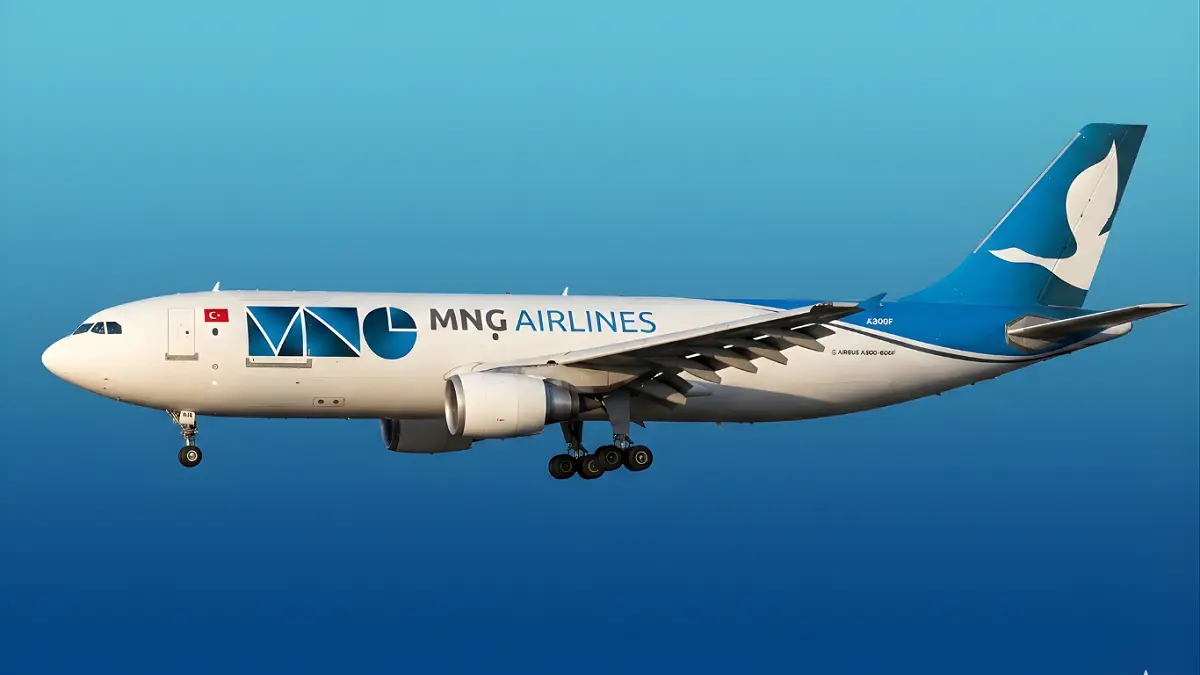
Türkiye-based cargo carrier MNG Airlines has retired its last active Airbus A300 freighter, formally ending the aircraft type’s role within its fleet and marking a notable transition in the airline’s cargo operations strategy.
The retirement represents a fleet milestone for the airline, which had continued operating the A300 freighter as part of its cargo network. With the withdrawal of the final aircraft, MNG Airlines has now fully phased out the legacy widebody freighter model from active service.
Fleet Transition and Aircraft Retirement
The Airbus A300 freighter had been a longstanding component of MNG Airlines’ cargo operations, serving regional and medium-haul routes within its network. Its retirement reflects a broader industry trend of phasing out older-generation widebody freighters in favor of more efficient and modern aircraft.
The final aircraft’s withdrawal signals the end of an era not only for the airline but also for the A300 platform, which has historically played a significant role in global cargo aviation. Over the years, the aircraft type has been widely used by cargo carriers due to its payload capacity and operational flexibility.
By removing the last A300 freighter from service, MNG Airlines aligns its fleet strategy with evolving operational and efficiency requirements.
Operational Implications
The retirement is expected to streamline MNG Airlines’ fleet composition, potentially reducing maintenance complexity and improving operational efficiency. Older aircraft types typically require higher maintenance input and can present cost challenges compared to newer-generation freighters.
With the A300 no longer part of its active fleet, the airline is likely to focus on aircraft types that offer improved fuel efficiency, payload optimization, and operational reliability. These factors are increasingly important in the competitive air cargo market, where margins are closely tied to cost control and aircraft performance.
The move may also support network optimization efforts, allowing the airline to better match aircraft capabilities with route demand and cargo volumes.
Industry Context
The phase-out of the Airbus A300 freighter reflects a wider shift across the cargo aviation sector, where airlines are progressively retiring older aircraft models. Many carriers are transitioning toward newer freighters or converted passenger aircraft that offer better economics and lower environmental impact.
The A300, once a mainstay of global cargo fleets, has gradually been replaced as operators modernize their fleets to remain competitive. Despite its historical importance, the aircraft’s age and operating costs have led many airlines to accelerate retirement plans in recent years.
MNG Airlines’ decision follows this broader pattern, highlighting ongoing changes in fleet planning strategies across the industry.
Background on MNG Airlines Operations
MNG Airlines operates as a cargo-focused carrier, providing freight services across multiple regions. Its fleet decisions play a key role in determining its operational capabilities and cost structure, particularly in a market characterized by fluctuating demand and competitive pressures.
The airline has historically utilized a mix of aircraft types to support its cargo network, balancing capacity requirements with operational efficiency. The retirement of the A300 freighter represents a continuation of this approach, as the airline adjusts its fleet to meet current and future market conditions.
Fleet modernization and optimization remain central to cargo carriers’ strategies, particularly as the sector adapts to shifting global trade patterns and evolving logistics demands.
Current Status
With the last Airbus A300 freighter now retired, MNG Airlines has completed the aircraft type’s phase-out from active service. The airline’s fleet will continue operating without the A300, reflecting a transition toward a more streamlined and modernized cargo operation.
The development underscores ongoing structural changes within the air cargo industry, where efficiency, cost management, and fleet modernization remain key priorities for operators.