Oman Government Acquires 90% Stake in SalamAir to Strengthen Aviation Sector
The Omani government has acquired a 90% stake in SalamAir, aiming to strengthen the country’s aviation sector and support the low-cost carrier’s growth.
 Jishan Khan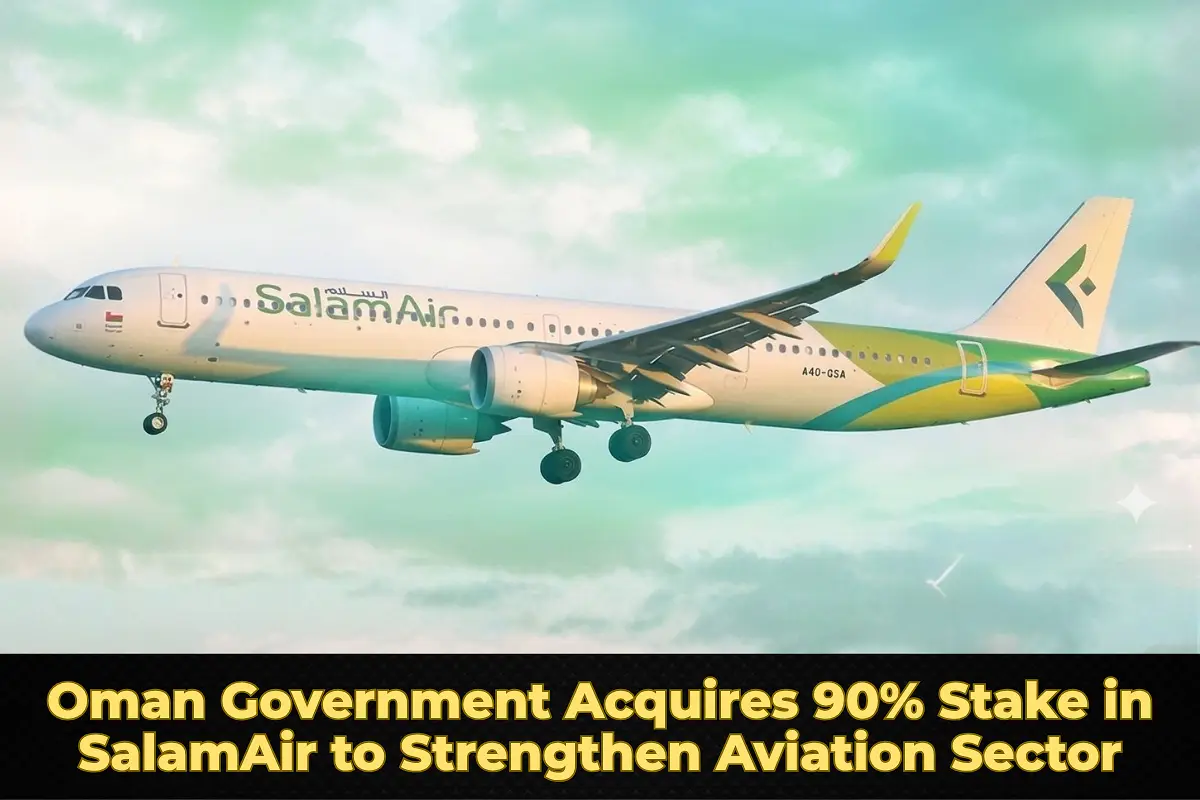
The government of Oman has acquired a 90% stake in low-cost carrier SalamAir in 2026, marking a significant move to strengthen the country’s aviation sector and secure the airline’s long-term growth, according to industry reports. The acquisition positions the state as the dominant shareholder in the airline, reflecting a strategic effort to support national connectivity, tourism, and economic development.
The deal involves the Omani government taking control of a majority shareholding in SalamAir, one of the country’s key low-cost airlines, as part of broader efforts to stabilize and expand the aviation industry amid evolving market conditions. The move comes at a time when airlines across the region are facing financial pressures, rising operational costs, and increased competition.
Strategic Rationale Behind the Acquisition
The acquisition is part of Oman’s broader strategy to strengthen its aviation sector as a driver of economic diversification. By securing a controlling stake in SalamAir, the government aims to ensure the airline’s stability while aligning its operations with national economic priorities, including tourism growth and enhanced connectivity.
Low-cost carriers play a crucial role in expanding air travel accessibility, and SalamAir has been instrumental in connecting Oman with regional and international destinations at competitive fares. Government ownership is expected to provide the airline with greater financial backing and strategic direction.
The move also reflects a trend among governments in the Middle East to take a more active role in supporting national carriers, particularly in times of financial uncertainty.
Impact on SalamAir’s Operations
With the government now holding a 90% stake, SalamAir is likely to benefit from increased financial stability and access to resources that can support fleet expansion, route development, and operational improvements. The airline may also gain greater flexibility in implementing long-term growth strategies.
Industry observers suggest that state backing could enhance SalamAir’s ability to compete with other low-cost carriers in the region, as well as full-service airlines operating on overlapping routes. The airline has been expanding its network in recent years, focusing on both regional connectivity and select international markets.
The acquisition may also lead to closer alignment between SalamAir and other elements of Oman’s aviation ecosystem, including airports and tourism authorities.
Broader Aviation Sector Context
The aviation industry in the Middle East is undergoing significant transformation, with airlines adapting to changing demand patterns, fluctuating fuel prices, and evolving regulatory environments. Governments across the region are increasingly recognizing the strategic importance of aviation in supporting economic growth and diversification.
Oman has been actively investing in its aviation infrastructure, including airport development and modernization projects, to position itself as a regional hub for travel and logistics. Strengthening airlines such as SalamAir is a key component of this strategy.
The government’s investment is expected to complement these efforts by ensuring that the country has a competitive and resilient airline sector.
Financial Considerations and Industry Trends
The decision to acquire a majority stake in SalamAir highlights the financial challenges faced by airlines globally. Rising fuel costs, currency fluctuations, and operational disruptions have put pressure on carriers, particularly low-cost airlines that operate on thin margins.
Government intervention has become more common as countries seek to protect strategic industries and maintain connectivity. In many cases, state support has been critical in helping airlines navigate periods of financial stress and recover from external shocks.
The acquisition of SalamAir reflects this broader trend, with the Omani government stepping in to ensure the airline’s continued viability and growth.
Implications for Competition and Market Dynamics
State ownership of SalamAir could have implications for competition within the regional aviation market. With stronger financial backing, the airline may be better positioned to expand its network and compete with established carriers in the Gulf and beyond.
However, the move may also raise questions about market dynamics and the role of government support in shaping competition. Regulators and industry stakeholders will likely monitor the situation to ensure a level playing field.
Despite these considerations, the primary focus of the acquisition appears to be on strengthening the airline’s operational capabilities and supporting national economic objectives.
Tourism and Connectivity Benefits
The acquisition is expected to support Oman’s tourism sector by improving connectivity and increasing the availability of affordable travel options. SalamAir’s low-cost model makes it an important contributor to inbound tourism, attracting travelers from regional and international markets.
Enhanced connectivity can also facilitate business travel and trade, further contributing to economic growth. The government’s investment in the airline aligns with broader efforts to position Oman as an attractive destination for tourists and investors.
Expanding route networks and increasing flight frequencies may be among the priorities following the acquisition.
Future Outlook for SalamAir
Looking ahead, SalamAir is expected to leverage government support to pursue growth opportunities and strengthen its market position. This may include fleet modernization, network expansion, and the introduction of new services to enhance customer experience.
The airline will also need to maintain operational efficiency and cost discipline to remain competitive in the low-cost segment. Balancing growth ambitions with financial sustainability will be key to its long-term success.
Industry analysts will be watching closely to see how the airline evolves under government ownership and whether it can achieve its strategic objectives.
Conclusion
The Omani government’s acquisition of a 90% stake in SalamAir marks a significant development in the country’s aviation sector, reflecting a commitment to strengthening national carriers and supporting economic growth through improved connectivity and tourism.
The government of Oman has taken a controlling stake in SalamAir, with the airline expected to continue operations under enhanced financial and strategic support as it pursues long-term growth.