Pakistan Unlocks $15.8M Support to Clear PIA Retiree Backlog
Pakistan approves $15.8M support to settle Pakistan International Airlines retiree dues amid ongoing privatization and liability restructuring.
 Jishan Khan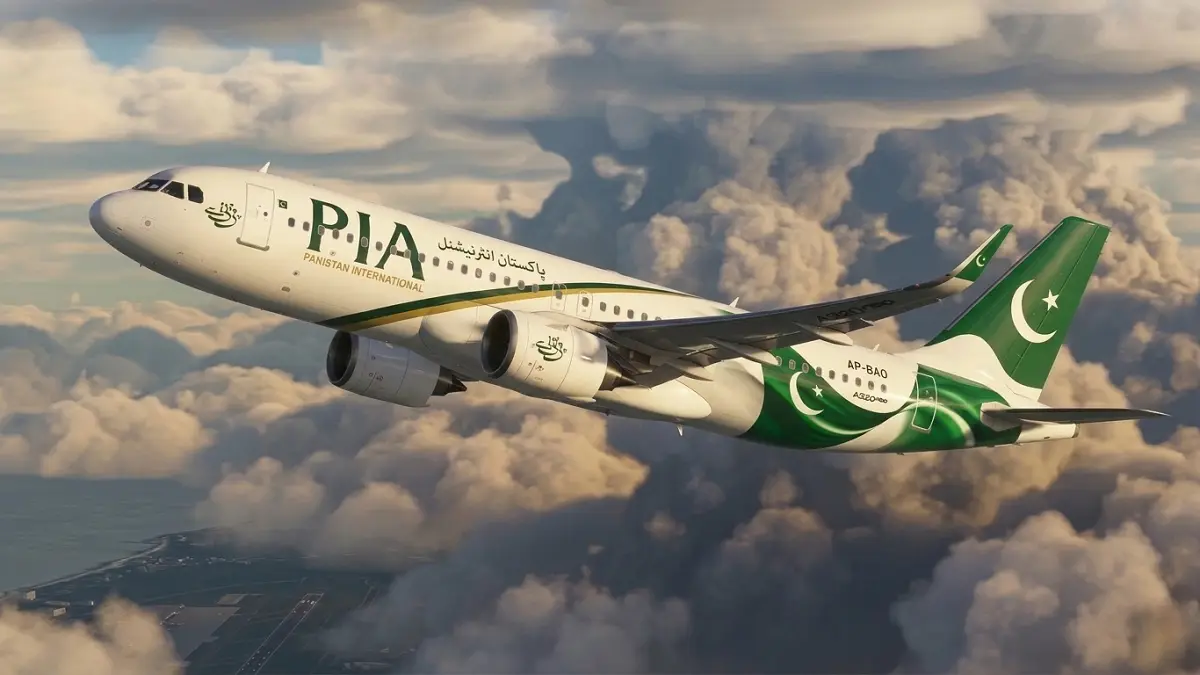
The Government of Pakistan has approved approximately $15.8 million (PKR 4.4 billion) in financial support to settle outstanding medical, pension, and salary dues for retirees of PIA, as part of ongoing efforts to address legacy liabilities following the airline’s partial privatization.
The funding decision comes amid broader restructuring measures tied to the sale of a 75% stake in the national carrier, underscoring continued state involvement in stabilizing financial obligations even as ownership transitions to private hands.
Pakistan International Airlines Funding Allocation and Scope for PIA
The approved PKR 4.4 billion package is specifically aimed at clearing long-pending dues owed to retired employees of Pakistan International Airlines.
These obligations include unpaid medical benefits, pension liabilities, and outstanding salary-related payments accumulated over time.
In addition to retiree-related liabilities, the government has also allocated supplementary funds to cover salary payments for employees associated with related entities, reflecting a broader approach to resolving financial obligations across the airline’s extended operational structure.
The move highlights the scale of legacy liabilities within the airline, which have persisted despite multiple restructuring attempts over recent years.
Privatization and Liability Management
The financial support forms part of a wider framework accompanying the privatization of Pakistan International Airlines, including the divestment of a 75% ownership stake.
While privatization is intended to improve operational efficiency and reduce fiscal burden, the government continues to play a key role in addressing pre-existing liabilities.
By settling retiree dues, authorities aim to ring-fence historical financial obligations from the airline’s restructured balance sheet, thereby making the entity more viable for private investors and ensuring a smoother transition during the ownership change.
This approach reflects a common restructuring model in which governments absorb or resolve legacy liabilities to facilitate privatization and improve investor confidence.
Workforce and Social Obligations
The allocation underscores the government’s commitment to addressing long-standing financial obligations toward the airline’s workforce, particularly retirees who have faced delays in receiving entitled benefits.
Medical and pension dues represent critical components of employee welfare, and delays in settlement have been a persistent concern for former employees of the airline.
The release of funds is expected to provide relief to affected individuals and reduce administrative backlogs linked to unpaid claims.
The decision also signals recognition of the social responsibilities associated with restructuring state-owned enterprises, where workforce-related liabilities often form a significant portion of overall financial challenges.
Financial Context and Industry Implications
Pakistan International Airlines has faced sustained financial pressures in recent years, including accumulated debt, operational inefficiencies, and recurring losses.
These challenges have necessitated government intervention on multiple occasions to support liquidity and maintain operations.
The current funding package highlights the ongoing fiscal implications of restructuring national carriers, where legacy costs, particularly pensions and employee benefits, can continue to impact financial performance even after structural reforms.
For the broader aviation sector, the development illustrates the complexities of transitioning state-owned airlines to privatized models, particularly in markets where financial and operational challenges are deeply embedded.
Current Status
With the approval of the PKR 4.4 billion allocation, the government is moving forward with efforts to settle outstanding dues and support the ongoing restructuring of PIA.
The funding is expected to be disbursed toward clearing retiree liabilities and related salary obligations in the near term.
The initiative represents a key step in addressing historical financial burdens while enabling the airline’s transition under partial private ownership, as authorities continue to manage the balance between fiscal responsibility and workforce commitments.