Pobeda Launches $800K Lawsuit in India Aircraft Parts Dispute
Pobeda has filed an $800,000 lawsuit over aircraft parts sourced from India, highlighting supply chain and sanctions-related challenges.
 Jishan Khan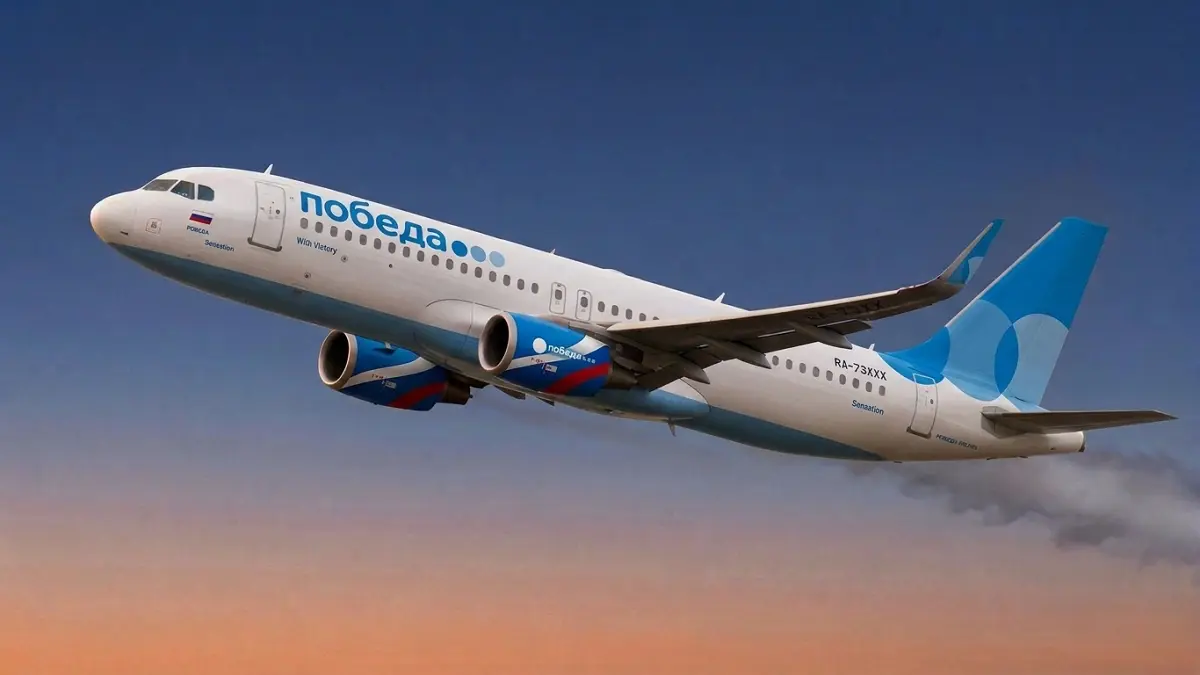
Pobeda, Russia’s low-cost carrier, has filed a lawsuit valued at approximately $800,000 related to aircraft parts sourced from India, underscoring ongoing legal and supply chain complications faced by Russian airlines operating under Western sanctions.
The dispute, linked to components procured through alternative sourcing channels, highlights the operational and contractual risks carriers encounter as they adapt to restricted access to traditional global suppliers. The case forms part of a broader pattern of legal and logistical challenges affecting fleet maintenance across Russia’s aviation sector.
Details of the Legal Dispute
The lawsuit filed by Pobeda centers on aircraft parts sourced from India, with the total claim estimated at around $800,000. While specific contractual details have not been disclosed, the dispute is understood to involve issues related to delivery terms, product quality, or compliance with agreed obligations.
Such disputes typically arise in complex supply environments where airlines rely on non-traditional vendors to secure critical components. The legal action indicates a breakdown in contractual performance, prompting escalation to formal proceedings.
The absence of detailed disclosures suggests that the matter remains under active review, with outcomes dependent on contractual interpretation and supporting evidence presented by the involved parties.
Sanctions and Supply Chain Constraints
The case highlights the impact of Western sanctions on Russia’s aviation sector, which have significantly limited access to aircraft parts, maintenance services, and original equipment manufacturers. As a result, airlines have increasingly turned to alternative markets, including India, to source essential components.
These alternative procurement channels often involve additional risks, including variations in quality standards, certification challenges, and complex logistics. The Pobeda lawsuit illustrates how such risks can translate into legal disputes when expectations are not met.
Sanctions-related constraints have forced Russian carriers to adopt unconventional strategies to maintain fleet airworthiness, placing greater emphasis on sourcing flexibility and supplier diversification.
Operational Impact on Fleet Maintenance
For airlines like pobeda, access to reliable aircraft parts is critical to sustaining operations and ensuring safety compliance. Disruptions in the supply chain can affect maintenance schedules, aircraft availability, and overall operational efficiency.
The reliance on alternative suppliers may also lead to longer lead times and increased costs, particularly when components must be verified or adapted to meet regulatory standards. Legal disputes further complicate this process by delaying resolution and potentially affecting ongoing supplier relationships.
The $800,000 claim, while relatively modest in scale, reflects the broader operational pressures facing airlines operating under constrained supply conditions.
Broader Industry Context
Russian airlines have been navigating a complex operating environment since the imposition of international sanctions, which have reshaped the global aviation supply chain. The inability to access original equipment manufacturers and approved maintenance providers has led to increased reliance on parallel imports and third-party suppliers.
This shift has introduced new layers of legal and operational complexity, as carriers must balance the need for continuity with compliance and quality considerations. Disputes such as the one involving Pobeda are indicative of the challenges associated with this transition.
The situation also reflects the broader geopolitical pressures influencing aviation, where regulatory restrictions and trade limitations directly impact airline operations and maintenance strategies.
Current Status
The lawsuit filed by pobeda remains ongoing, with no resolution announced. The case continues to highlight the legal and supply chain challenges faced by Russian carriers as they adapt to a restricted global aviation environment.
As airlines navigate these constraints, disputes related to alternative sourcing arrangements are likely to remain a recurring feature of the sector, shaping operational decisions and supplier relationships in the near term.