Uzbekistan’s Qanot Sharq Plans Launch of Scheduled US Flights in Strategic Long-Haul Expansion
Uzbekistan’s Qanot Sharq is planning to launch scheduled flights to the United States, marking a major step in its long-haul expansion strategy.
 Jishan Khan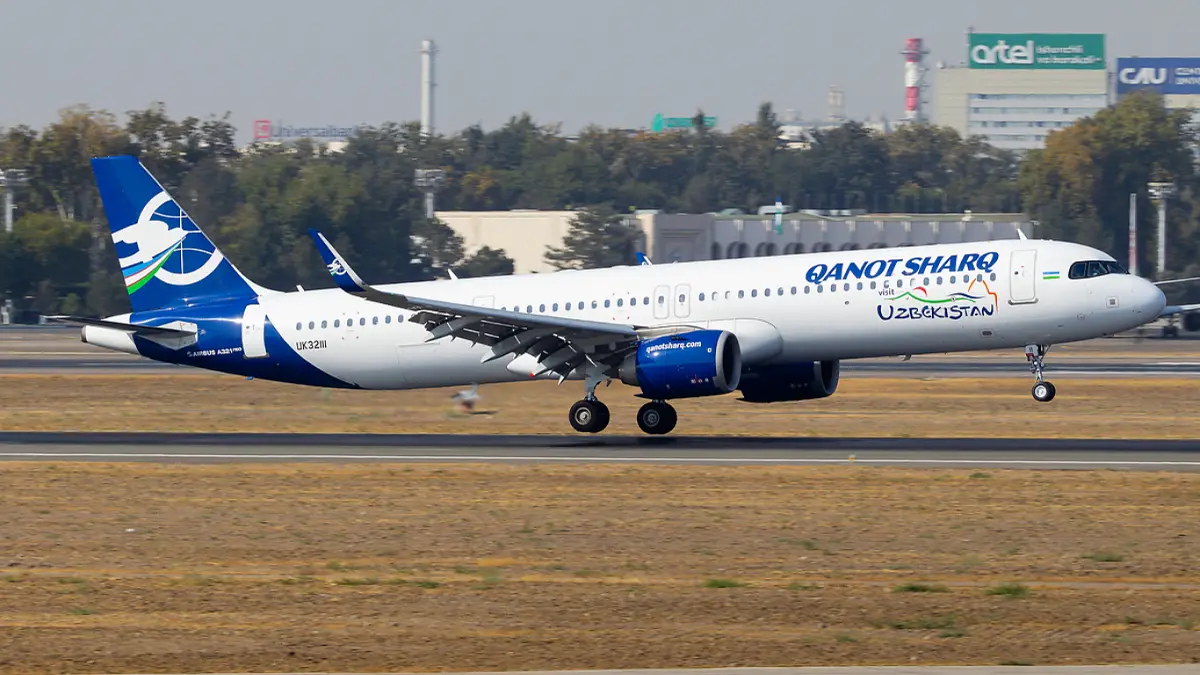
Uzbekistan-based airline Qanot Sharq is preparing to launch scheduled passenger flights to the United States in 2026, marking a significant step in its long-haul expansion strategy and signaling growing ambitions to connect Central Asia with major global markets. The move reflects the carrier’s efforts to expand its international network, enhance connectivity, and capitalize on increasing demand for intercontinental travel.
The airline is working toward securing the necessary regulatory approvals and operational clearances required to operate transcontinental routes. Once launched, the services are expected to provide direct or one-stop connections between Uzbekistan and key destinations in the United States, strengthening travel, business, and tourism links between the two regions.
Strategic Expansion into Long-Haul Markets
Qanot Sharq’s planned entry into the US market represents a major milestone in its development as an international carrier. Long-haul routes are a key component of airline growth strategies, offering access to high-demand markets and increased revenue potential.
By targeting the United States, the airline aims to tap into both passenger and cargo demand, particularly among business travelers, diaspora communities, and tourism segments. The expansion aligns with broader trends in global aviation, where carriers are seeking to diversify their networks and establish a presence in major international markets.
The move also reflects Uzbekistan’s increasing integration into global travel networks, supported by economic development and growing international engagement.
Regulatory and Operational Requirements
Launching scheduled flights to the United States involves a complex regulatory process, including approvals from aviation authorities in both countries. Airlines must meet stringent safety, security, and operational standards before being granted access to US airspace and airports.
Qanot Sharq is expected to undergo detailed evaluations to ensure compliance with these requirements. This includes certification processes, aircraft safety checks, and adherence to international aviation regulations.
The timeline for the launch will depend on the completion of these procedures, as well as coordination with airport authorities and other stakeholders.
Fleet and Aircraft Considerations
Operating long-haul routes requires aircraft capable of covering extended distances efficiently while providing a comfortable passenger experience. Qanot Sharq is likely to deploy widebody aircraft or long-range narrowbody jets suited for transcontinental operations.
Fleet planning will play a critical role in determining the airline’s ability to sustain US services. Factors such as fuel efficiency, maintenance requirements, and seating configuration will influence operational performance and profitability.
The airline may also consider future fleet acquisitions or leasing arrangements to support its long-haul ambitions.
Strengthening Uzbekistan’s Global Connectivity
The introduction of US-bound flights is expected to enhance Uzbekistan’s connectivity with one of the world’s largest aviation markets. Improved air links can facilitate trade, tourism, and cultural exchange, contributing to economic growth.
Direct or convenient connections to the United States would reduce travel time and improve accessibility for passengers traveling between the regions. This is particularly important for business travelers and diaspora communities seeking efficient travel options.
The expansion also supports Uzbekistan’s broader efforts to position itself as a regional aviation hub.
Competitive Landscape
Entering the US market will place Qanot Sharq in competition with established international carriers that already operate routes between Central Asia, Europe, and North America. These airlines benefit from extensive networks, strong brand recognition, and established customer bases.
To compete effectively, Qanot Sharq will need to differentiate its services through pricing, convenience, and customer experience. Strategic partnerships, such as codeshare agreements, could also play a role in enhancing its competitiveness.
The airline’s ability to build brand awareness and attract passengers will be critical in the early stages of operation.
Economic and Market Opportunities
The demand for long-haul travel between Central Asia and the United States has been gradually increasing, driven by economic ties, educational exchanges, and tourism. Qanot Sharq’s planned services aim to capture a share of this growing market.
Cargo operations may also provide additional revenue streams, particularly for goods transported between the regions. The integration of passenger and cargo services can improve route viability and overall financial performance.
Market conditions, including fuel prices and global economic trends, will influence the success of the airline’s expansion.
Passenger Experience and Service Offering
As it enters the long-haul segment, Qanot Sharq will need to focus on delivering a competitive onboard experience. This includes comfortable seating, in-flight entertainment, and quality service to meet passenger expectations on extended flights.
The airline may introduce upgraded cabin products and services tailored to long-haul travelers. Customer experience will be a key factor in attracting and retaining passengers in a competitive market.
Digital services, such as online booking and personalized travel options, could further enhance the airline’s appeal.
Challenges and Risks
Launching long-haul routes involves significant financial and operational risks. High operating costs, regulatory complexities, and market competition can impact profitability, particularly for airlines entering new markets.
Qanot Sharq will need to carefully manage these risks while maintaining operational efficiency. Strategic planning and effective resource allocation will be essential for sustaining long-term growth.
External factors such as geopolitical developments and economic fluctuations may also influence the airline’s operations.
Future Outlook
Looking ahead, Qanot Sharq’s planned US operations could pave the way for further expansion into other long-haul markets. The airline may explore additional routes to Europe, Asia, and beyond as it builds its international presence.
Successful entry into the US market would enhance the airline’s reputation and open new opportunities for partnerships and growth. Continuous investment in fleet, infrastructure, and customer experience will be key to achieving these objectives.
The development highlights the evolving dynamics of the aviation industry, where emerging carriers are increasingly pursuing global expansion strategies.
Conclusion
Qanot Sharq is preparing to launch scheduled flights to the United States, marking a major step in its long-haul expansion as it works toward regulatory approvals and operational readiness for the new service.