Qantas Exits Jetstar Japan in Strategic Reshuffle
Qantas will sell its stake in Jetstar Japan, paving the way for a fully Japanese-owned low-cost airline with a new brand by 2027.
 Jishan Khan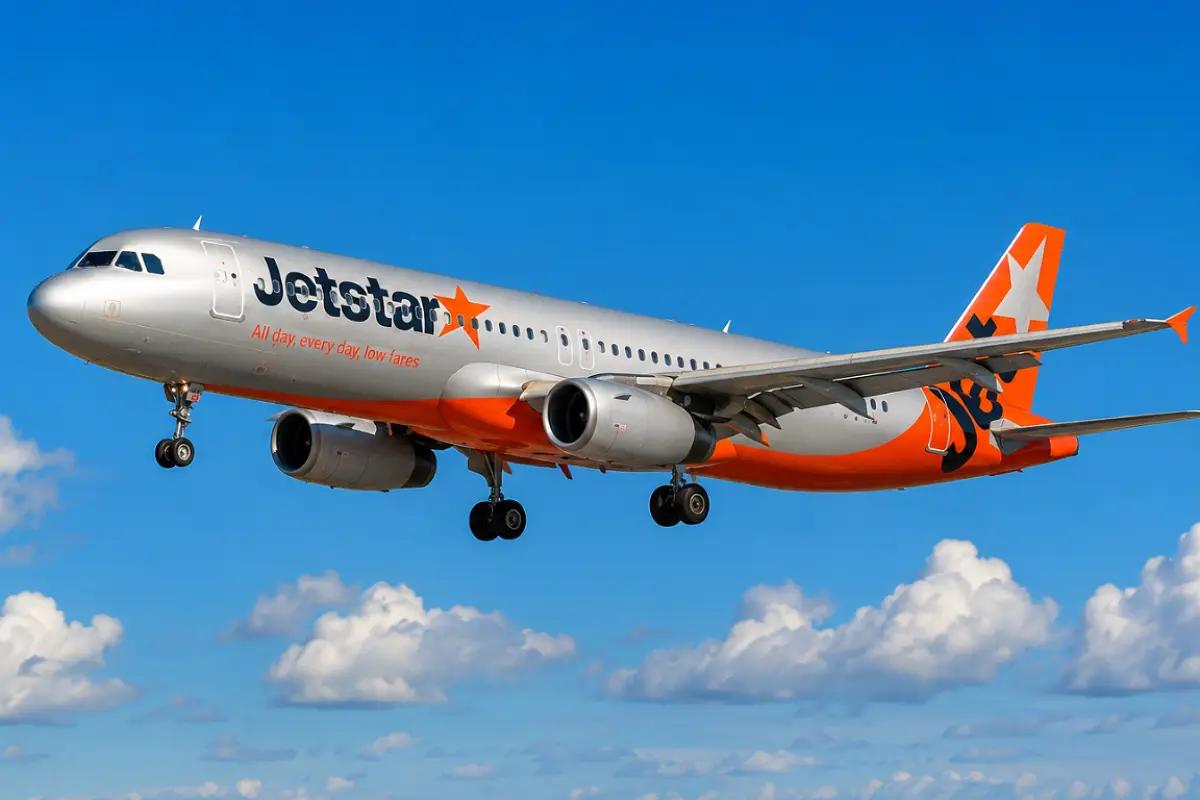
Japan Is Getting Its Own Fully Domestic Low-Cost Carrier, Qantas Just Sold Its 13-Year Stake for JPY 8.2 Billion
Qantas and Japan Airlines have signed a binding agreement for Qantas to exit its 33.32% stake in Jetstar Japan through a JPY 8.2 billion share buyback, with the Development Bank of Japan entering as a new shareholder and JAL and Tokyo Century retaining their existing positions. The transaction closes by June 2027, subject to regulatory approval, after which Jetstar Japan will retire the Jetstar brand entirely and launch a new identity.
An airline launched in 2012 with Australian DNA will fly into 2027 as a fully Japanese-owned carrier with a name that does not yet exist. That is a more significant transition than a routine ownership change.
Why Qantas Is Walking Away
The exit is clean and profitable. Qantas expects to record an accounting gain of approximately AUD 115 million, well above the JPY 8.2 billion cash proceeds, due to the release of foreign currency translation reserves accumulated over thirteen years of Japanese operations. The gap between cash received and accounting gain reflects a decade of yen movements that crystallise in Qantas's favour the moment the sale closes.
Strategically, the exit fits a pattern Qantas has been executing since CEO Vanessa Hudson took over. The capital redeployed from Jetstar Japan is directed toward domestic Australian fleet renewal and Qantas's own international network, which is absorbing significant investment around the Project Sunrise A350-1000 programme and the domestic narrowbody refresh. Maintaining a minority stake in a Japanese LCC, with the governance complexity, capital call obligations and regulatory friction that entails, is a distraction from that focus. Jetstar Asia in Singapore ceased operations in July 2025. The Japan exit completes Qantas's withdrawal from Asian joint venture airline ownership.
The Brand That Disappears and the One That Replaces It
Jetstar Japan has operated under the orange and white livery for thirteen years, building a network that today covers major domestic routes from Tokyo Narita to Osaka, Sapporo, Fukuoka, Okinawa and Nagoya alongside selected short-haul international services across Asia. The airline is one of Japan's largest low-cost carriers, flying an Airbus A320 family fleet.
The Jetstar name departs with Qantas. What replaces it has not been announced, no brand name, no livery concept, no timeline beyond "by mid-2027." That absence is deliberate. The new owners are unlikely to name the airline before the ownership transition completes, partly to avoid managing two brand identities simultaneously during the regulatory approval window and partly because the naming decision is the new ownership's first major strategic statement. Whatever JAL, Tokyo Century and the Development Bank of Japan decide to call it will signal whether they want to stay in the low-cost lane or pivot toward something more premium.
What the Development Bank of Japan's Entry Signals
The DBJ's role as incoming shareholder is the detail that gives this transition its strategic depth. The Development Bank of Japan is a government-owned policy bank whose mandate includes financing industries considered strategically important to Japan's economy. Aviation connectivity, particularly domestic connectivity that keeps regional cities accessible and economically integrated, sits squarely within that mandate.
DBJ investment in an airline is not a market bet on LCC profitability. It is a structural commitment to maintaining competitive domestic air service in a country where bullet trains dominate but do not reach everywhere, and where JAL and ANA have historically controlled pricing on the routes that matter most. A fully Japanese-owned LCC with government development bank backing has both the stability to compete long-term and the mandate to keep doing so even when margins compress.
Japan's domestic LCC market has three principal players, Peach, Jetstar Japan and Zipair. By mid-2027 it will have three, Peach, Zipair, and whatever Jetstar Japan becomes next. The competition does not change. The ownership does.