Qatar Airways Flew 25 India Evacuation Missions in 72 Hours
Qatar Airways operated 25 evacuation flights in 72 hours, bringing more than 1,600 Indians home during the 2026 Gulf crisis.
 Jishan Khan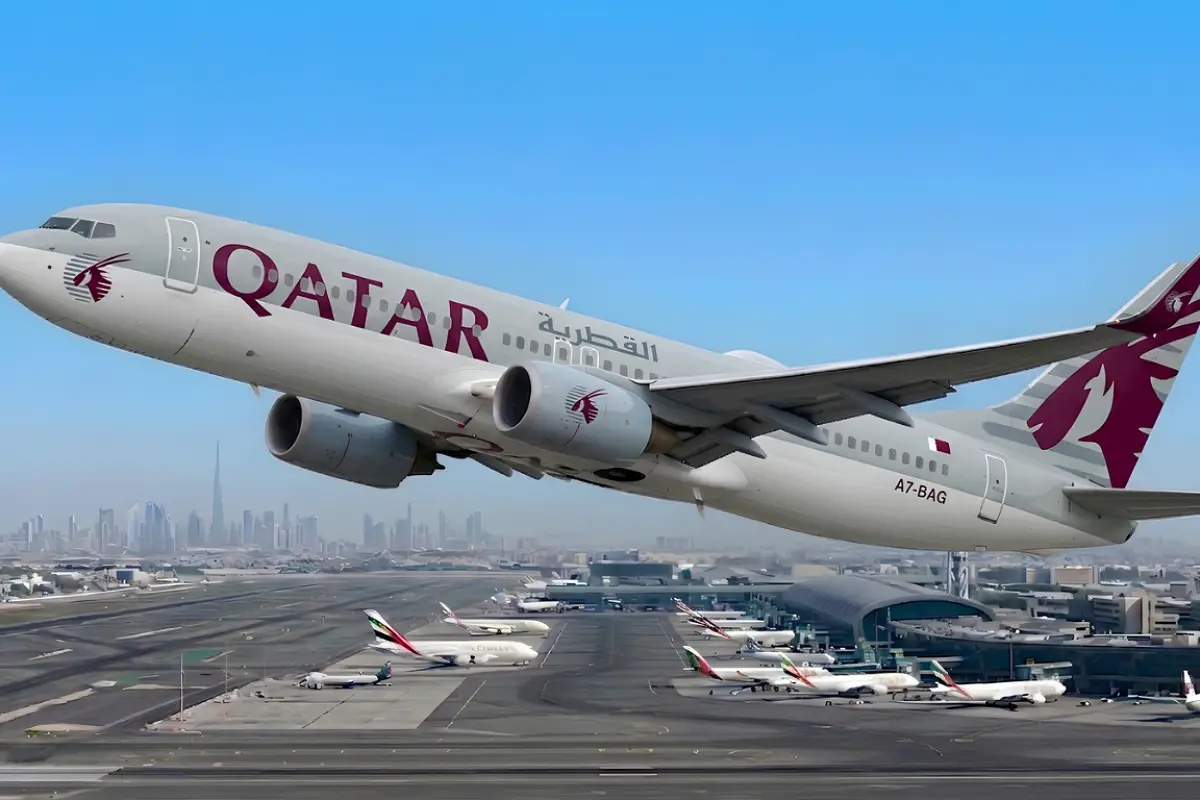
Qatar Airways Ran 25 India Evacuation Flights in 72 Hours, While Every Other Gulf Hub Was Shutting Down
Qatar Airways operated 25 special evacuation flights to India within a 72-hour window following the outbreak of the Iran conflict on February 28, 2026, successfully assisting in the evacuation of over 1,600 Indian nationals from Qatar in coordination with the Indian Embassy in Doha. While Emirates suspended all flights and was operating at roughly 60% capacity by March 7, Qatar Airways launched repatriation flights prioritising families, the elderly and medical passengers, making Doha the one Gulf hub that kept functioning when the others went dark.
When every road out of the Middle East closed, Doha stayed open. That did not happen by accident.
What the Iran Conflict Did to Gulf Aviation Overnight
The 2026 Iran war started on February 28 with coordinated US and Israeli strikes targeting Iranian nuclear facilities, military leadership and infrastructure, which led to retaliatory Iranian missile and drone attacks on US bases and allied nations across the region. Over 11,000 flights were cancelled and more than one million passengers were stranded as six airspace regions closed simultaneously within days of the conflict beginning.
Dubai, Abu Dhabi and the broader UAE network, the world's largest single aviation hub cluster, went from handling millions of passengers daily to near-total suspension in hours. At one stage, more than 20,000 travelers were trapped in key UAE hubs alone, with thousands more stranded in Doha. The US State Department issued departure advisories for 14 countries simultaneously, and governments across Europe scrambled to charter flights for their own nationals.
Why Qatar Airways Could Keep Flying When Others Couldn't
The answer sits in geography and diplomacy simultaneously. Qatar's airspace sits outside the direct conflict zone in a way that Dubai's does not, and Qatar's long-standing role as a regional diplomatic intermediary, the country that maintains talking channels with Iran, Hamas, the Taliban and the United States simultaneously, gave it political cover to keep Hamad International Airport operational under conditions that forced other hubs to close.
Qatar Airways remained the dominant operator within limited safe corridors as most flights were dedicated to relief and evacuation missions, with the Qatar Civil Aviation Authority requiring all passengers to show a valid Digital Boarding Pass issued within six hours of departure before being permitted to enter the airport. The operational discipline required to run 25 evacuation flights in 72 hours while simultaneously managing that kind of access control is significant, it is not standard commercial airline logistics, it is crisis coordination at a level most carriers have never been tested on.
India's Specific Exposure and Why It Mattered
Over 50,000 Indian nationals were repatriated since tensions escalated, with the Indian Ministry of External Affairs operating 24/7 consular hotlines and working directly with Qatar Airways to prioritise evacuation flight allocation. India's exposure in the Gulf is structural and enormous, over 8 million Indian nationals live and work across the UAE, Qatar, Saudi Arabia, Kuwait and Oman, concentrated heavily in construction, hospitality, logistics and domestic services. When the region went into crisis mode, the Indian government's ability to move people home depended almost entirely on which airlines were still flying and which hubs were still open.
Qatar Airways and Doha answered that call in a way that will not be forgotten quickly in New Delhi.
The Strategic Asset That Just Got Revalued
Every airline in the world now has a clearer picture of what Doha's political positioning is actually worth in commercial aviation terms. A hub that can keep operating during a regional war, coordinating government evacuations, maintaining safe corridor access and handling crisis-level passenger volumes, is not just an airline hub. It is critical infrastructure with a geopolitical dimension that no amount of capacity investment can replicate.
Qatar Airways did not just run evacuation flights in March 2026. It demonstrated, under live fire conditions, why Doha matters in ways that route maps and passenger statistics never fully captured.