Former Air New Zealand CEO Rob Fyfe Reflects on Crash That Defined His Leadership
Former Air New Zealand boss Rob Fyfe says the crash of a test aircraft deeply affected him and shaped his approach to leadership and airline safety.
 Jishan Khan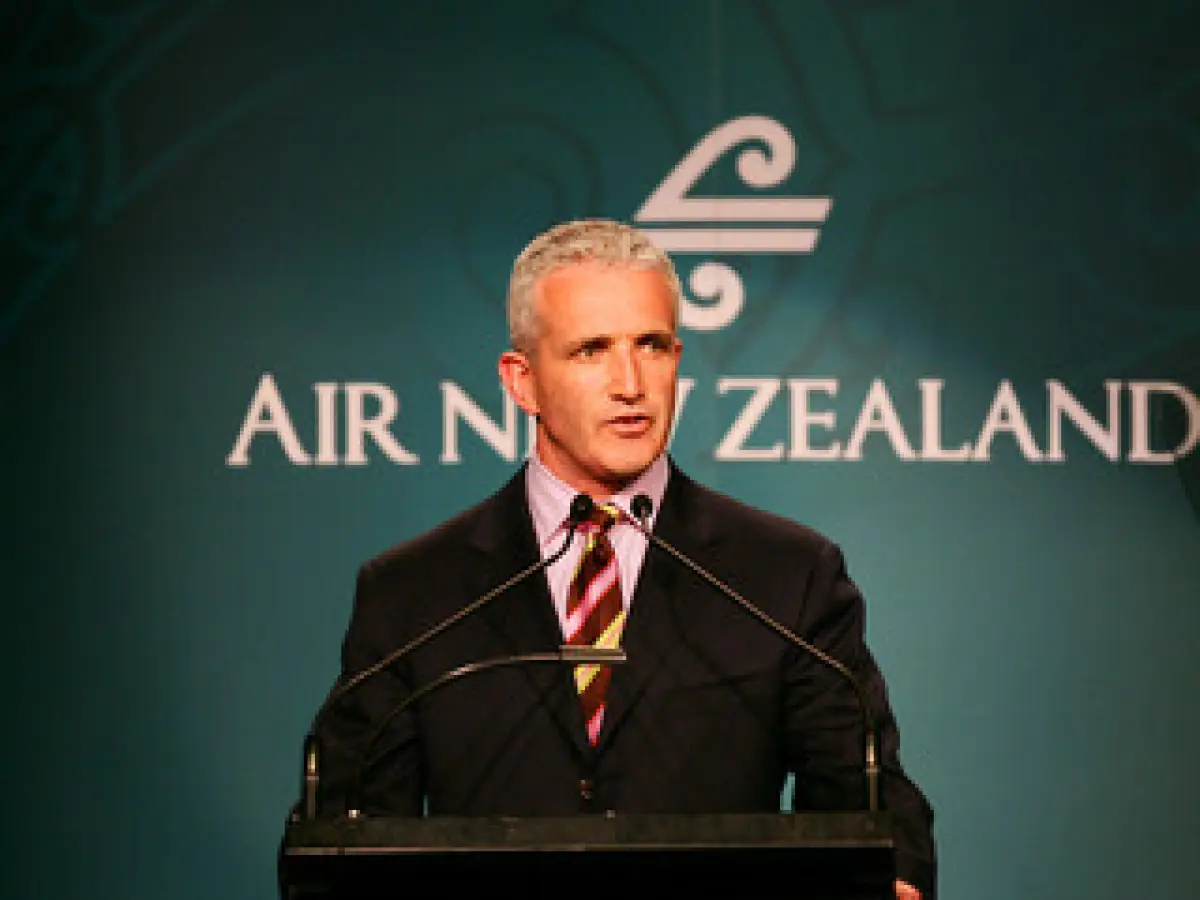
Rob Fyfe, the former chief executive of Air New Zealand, has opened up about how a fatal aircraft crash during his tenure deeply influenced his leadership approach and left a lasting emotional impact.
Fyfe was leading the national carrier when a test A320 aircraft crashed into the Mediterranean Sea, killing all seven crew members aboard. The aircraft was on a delivery acceptance flight when it went missing, and Fyfe said learning of the crash was a moment that stopped him “in his tracks” and touched him deeply — reshaping his focus on safety, people and operational resilience.
In interviews, Fyfe recalled the immediate aftermath of the tragedy as a defining leadership moment. Rather than simply steering corporate strategy, he found himself grappling with supporting colleagues, families and staff through shock and loss while also maintaining focus on the airline’s safety culture and future direction.
The incident highlighted the complex responsibilities borne by airline executives when disaster strikes — not just in operational response but in guiding an organisation through grief, accountability and lessons learned. Fyfe’s experience underscored the importance of empathy and open communication, qualities he said he leaned on heavily during that time.
Air New Zealand has since maintained one of the strongest safety and operational records in international aviation, with a culture that emphasises rigorous maintenance standards, crew training and continuous review of procedures. Fyfe’s reflections contribute to the broader dialogue on how leaders in aviation navigate crisis, maintain public confidence and drive improvements in safety and organisational resilience.