Royal Jordanian Takes Delivery of First Boeing 787-9 and Airbus A321neo to Modernise Fleet
Royal Jordanian has taken delivery of its first Boeing 787-9 and Airbus A321neo aircraft as part of its fleet modernisation and expansion strategy.
 Jishan Khan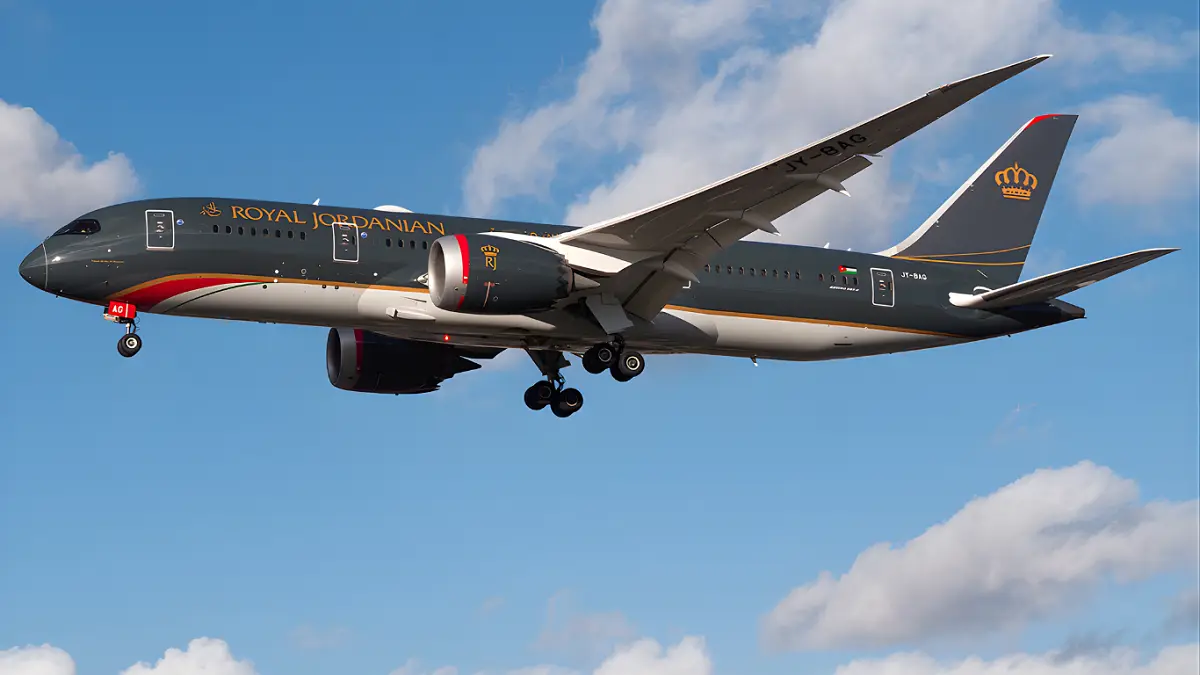
Royal Jordanian has taken delivery of its first Boeing 787-9 Dreamliner and Airbus A321neo aircraft in 2026, marking a major milestone in the airline’s fleet modernisation strategy aimed at enhancing operational efficiency, expanding its network, and improving passenger experience, the carrier confirmed.
The new aircraft were delivered as part of the airline’s broader plan to upgrade its fleet with next-generation models, enabling it to better compete in regional and international markets while addressing rising operational costs and evolving passenger expectations.
Strategic Fleet Modernisation
The addition of the Boeing 787-9 and Airbus A321neo represents a significant upgrade for Royal Jordanian, replacing older aircraft with more fuel-efficient and technologically advanced models. Fleet modernisation has become a key priority for airlines globally as they seek to reduce costs and improve sustainability.
The airline has been working to streamline its fleet composition, focusing on aircraft that offer improved performance, lower emissions, and enhanced reliability. By introducing these new-generation jets, Royal Jordanian aims to strengthen its operational capabilities and align with global aviation trends.
Modern aircraft also support long-term cost management by reducing fuel consumption and maintenance requirements, both of which are critical factors in airline profitability.
Capabilities of the Boeing 787-9
The Boeing 787-9 Dreamliner is a widebody aircraft designed for long-haul operations, offering extended range and improved fuel efficiency compared to older aircraft. It enables airlines to operate long-distance routes more economically while providing passengers with enhanced comfort.
The aircraft features advanced aerodynamics, lightweight composite materials, and modern engines, contributing to reduced fuel burn and emissions. It also offers a more comfortable cabin environment, including improved air quality, higher humidity levels, and larger windows.
For Royal Jordanian, the 787-9 is expected to play a key role in expanding long-haul routes and strengthening connectivity between Jordan and major global destinations.
Role of the Airbus A321neo
The Airbus A321neo is a narrowbody aircraft designed for short- to medium-haul routes, offering high efficiency and flexibility. It provides increased seating capacity and improved fuel efficiency compared to previous-generation aircraft, making it well-suited for regional operations.
The aircraft’s extended range capabilities also allow airlines to operate longer routes traditionally served by widebody aircraft, providing greater flexibility in network planning. This enables Royal Jordanian to optimize its route structure and respond to changing demand patterns.
The A321neo is expected to support the airline’s regional expansion while improving cost efficiency on high-frequency routes.
Enhancing Passenger Experience
The introduction of the new aircraft is set to enhance the passenger experience across Royal Jordanian’s network. Both the 787-9 and A321neo feature modern cabin designs, improved seating, and advanced in-flight entertainment systems.
Passengers can expect quieter cabins, better air quality, and enhanced comfort, particularly on long-haul flights operated by the Dreamliner. These improvements are part of the airline’s efforts to strengthen its brand and attract more customers in a competitive market.
Improving the onboard experience is a key focus for airlines seeking to differentiate themselves and build customer loyalty.
Network Expansion and Connectivity
The addition of the new aircraft will support Royal Jordanian’s plans to expand its network and increase frequencies on existing routes. The airline aims to strengthen its position as a regional hub, connecting the Middle East with Europe, Asia, and North America.
The Boeing 787-9 will enable the airline to explore new long-haul destinations and enhance connectivity on intercontinental routes. Meanwhile, the A321neo will provide flexibility for regional and short-haul services, supporting growth in key markets.
Enhanced connectivity is expected to drive passenger traffic and support economic activity by facilitating travel and trade.
Operational Efficiency and Cost Management
Fuel efficiency is a critical factor in airline operations, particularly in an environment of fluctuating fuel prices. Both the Boeing 787-9 and Airbus A321neo offer significant improvements in fuel consumption, helping Royal Jordanian reduce operating costs.
Lower fuel burn also contributes to reduced carbon emissions, aligning with industry efforts to improve environmental sustainability. Airlines are increasingly investing in newer aircraft to meet regulatory requirements and sustainability targets.
Operational efficiency extends beyond fuel savings, with modern aircraft also offering improved reliability and reduced maintenance costs.
Competitive Position in the Region
The Middle East aviation market is highly competitive, with major carriers investing heavily in fleet expansion and service enhancements. Royal Jordanian’s fleet modernisation is aimed at strengthening its position within this dynamic environment.
By introducing advanced aircraft, the airline can improve its competitiveness and offer a more attractive product to passengers. The move also supports its efforts to maintain market share and expand its presence in key international markets.
Strategic investments in fleet and network development are essential for airlines operating in competitive regions.
Industry Trends and Market Context
The global aviation industry is undergoing a period of transformation, with airlines focusing on efficiency, sustainability, and customer experience. Fleet renewal is a central component of this transformation, as carriers seek to adapt to changing market conditions.
Aircraft manufacturers continue to develop new models that offer improved performance and environmental benefits, driving adoption across the industry. The Boeing 787 and Airbus A320neo family are among the most popular aircraft in this context.
Royal Jordanian’s latest deliveries reflect these broader trends, highlighting the importance of modernisation in achieving long-term growth.
Future Outlook
Looking ahead, Royal Jordanian is expected to continue its fleet renewal program, potentially adding more aircraft as part of its long-term strategy. The airline will focus on optimizing its operations, expanding its network, and enhancing service quality.
The successful integration of the Boeing 787-9 and Airbus A321neo will be critical to achieving these objectives. As demand for air travel continues to grow, the airline is positioning itself to capitalize on emerging opportunities.
Fleet modernisation remains a key pillar of the airline’s strategy, supporting both operational efficiency and market competitiveness.
Conclusion
Royal Jordanian’s delivery of its first Boeing 787-9 and Airbus A321neo marks a significant step in its fleet renewal efforts, with the airline set to leverage these aircraft to enhance efficiency, expand its network, and strengthen its position in the global aviation market.