Syrianair Eyes Eight Airbus Jets as Syria Revives Aviation Sector
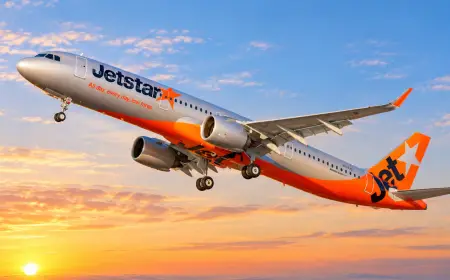
Syrianair plans to acquire eight Airbus aircraft as Syria accelerates efforts to rebuild its aviation sector and expand international connectivity.
 Jishan Khan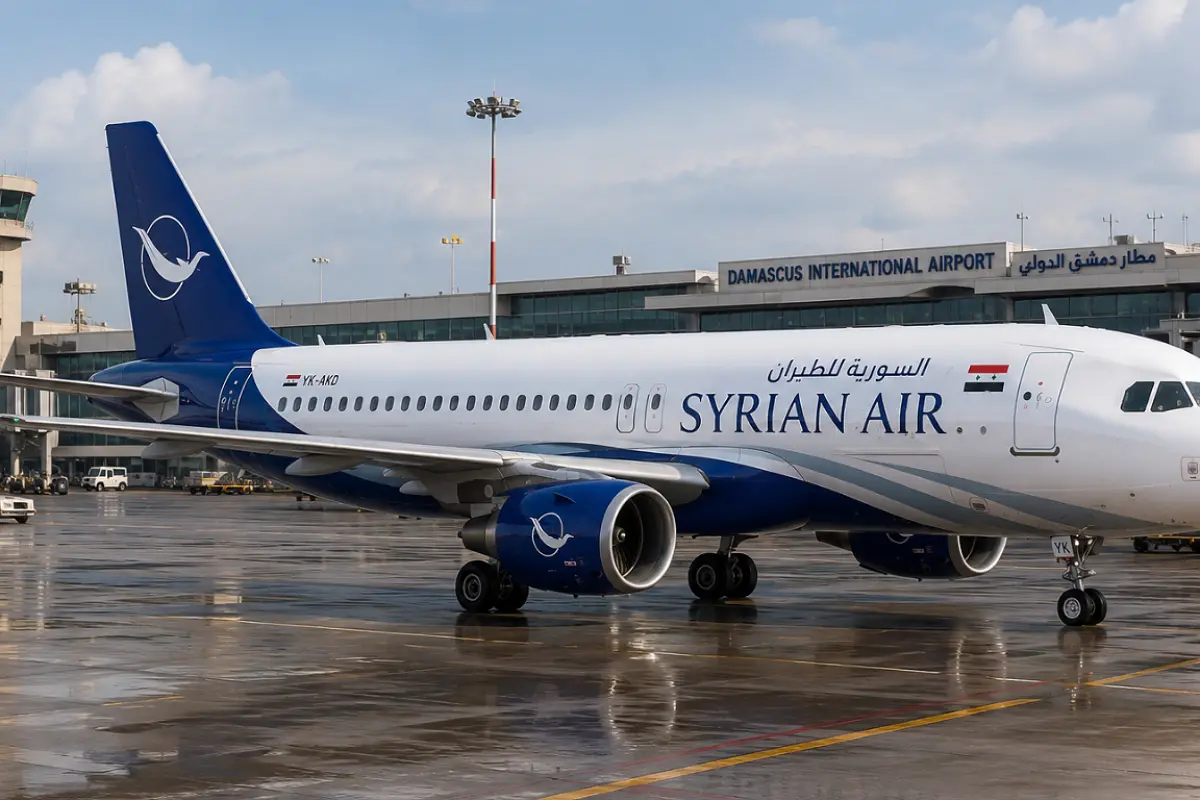
Syria's President Announced Eight Airbus Jets on French TV, While Macron Was Standing Next to Him
Syrian President Ahmed al-Sharaa told French television channel BFMTV on July 6, 2026 that Syria is preparing to sign a contract for eight Airbus aircraft, saying he believed they would be delivered quickly. The announcement came as President Macron led a delegation of French investors and company representatives to Damascus, the first such visit by a French head of state in over a decade.
The aircraft type was not disclosed. The contract has not yet been signed. The announcement was made on television by a head of state, not by an airline CEO or a manufacturer. In most markets, that combination would invite scepticism. In Syria's case, the context changes the calculus entirely.
What Syria's Airline Actually Looks Like Today
Syrianair Director General Anwar Akkad has spoken publicly about the airline's ambition to stand "completely on its own feet", a phrase that carries more weight in Syria than it would anywhere else. The carrier currently operates 12 passenger and cargo aircraft, an aging fleet of Soviet-era and older Western jets that survived a decade of civil war, international sanctions, and near-complete isolation from the global aviation market.
The airline's revival plan has multiple simultaneous tracks. Last August, the Syrian government signed an initial deal for USD 250 million in financing to buy up to 10 Airbus A320 narrowbody jets, backed by a consortium including Qatar's UCC Holding, headed by Qatari-Syrian businessman Samer Al Khayyat, alongside US firm Assets Investments USA and Turkish company TAV Tepe Akfen. That deal predates the eight-aircraft announcement by nearly a year, suggesting Syria is pursuing fleet modernisation through multiple financing channels simultaneously rather than waiting on a single transaction.
Why Airbus and Why France
The EU suspended restrictive measures on Syria in February 2025, specifically to facilitate Airbus contracts and flight operations to European destinations. That decision was framed as enabling engagement with Syria in energy and transport, a deliberate policy signal that European governments were willing to facilitate infrastructure investment in post-Assad Syria even before political reconstruction was complete.
Macron's July visit took that signal to its logical conclusion, a French president walking into Damascus with a delegation of investors and a Syrian president announcing an Airbus order on French television the same day. The optics are too coordinated to be coincidental. France is competing with Qatar, Turkey, Saudi Arabia and the UAE for influence in Syria's reconstruction, and aviation is one of the most visible and economically tangible sectors in which that competition plays out.
The Network That Has Already Rebuilt Itself Around Syria
The airline order is significant. What has already happened around Syrianair is arguably more significant. Twelve airlines are now operating to and from Damascus, including Qatar Airways, Turkish Airlines, Emirates, Etihad and flynas, with Damascus International Airport surpassing 148,000 passengers in May 2026. flynas signed an agreement in February 2026 to establish flynas Syria as a new low-cost subsidiary based in the country. Etihad signed its Abu Dhabi–Accra partnership this week, a model of exactly the kind of incremental international connectivity deal that Damascus is now pursuing with multiple carriers.
Syria's aviation rebuild is not waiting for Syrianair to modernise. The international carriers have already returned, the passenger volumes are growing, and the new terminal at Damascus Airport — part of a USD 4 billion infrastructure package, is under development. Eight Airbus jets for Syrianair sits inside a much larger aviation story that is moving significantly faster than most observers expected when Assad fell in December 2024.
The contract still needs to be signed. In Syria's case, that is not the remarkable part. The remarkable part is that it is being discussed at all.