Uganda Airlines Resumes In-House Widebody Operations
Uganda Airlines has resumed in-house widebody operations, marking a key operational shift for its long-haul fleet strategy.
 Jishan Khan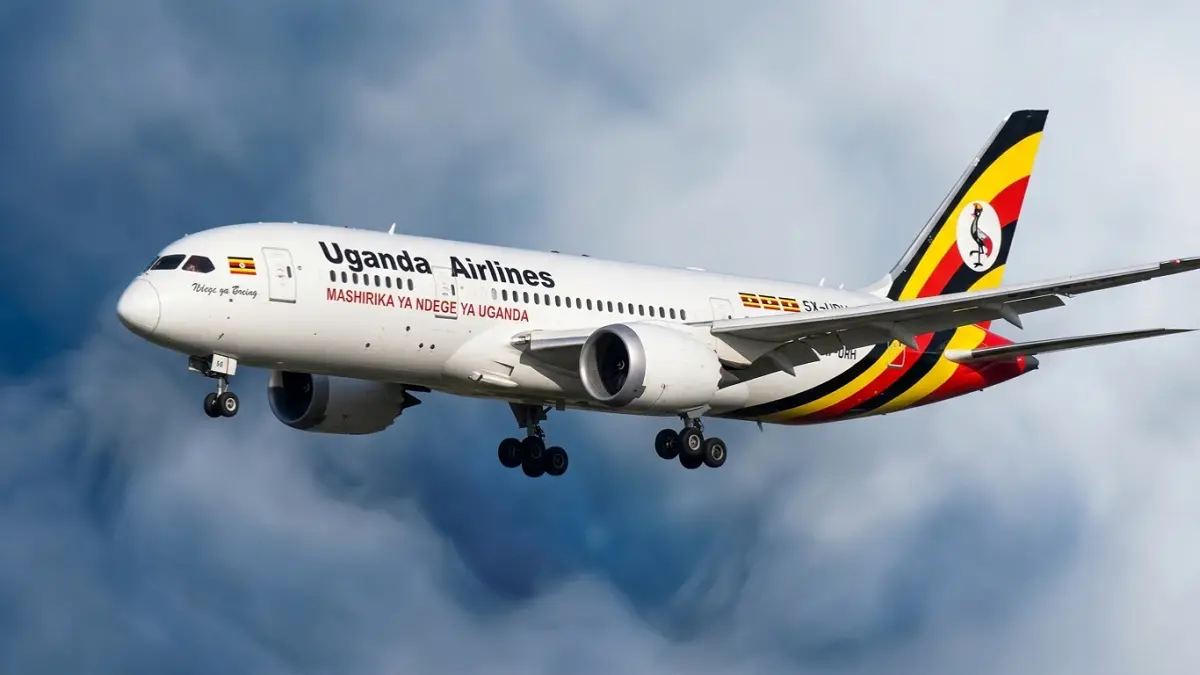
Uganda airlines has resumed in-house widebody aircraft operations, marking a significant shift in its long-haul operational strategy as the carrier brings control of its widebody fleet back under internal management. The move signals a return to direct oversight of intercontinental services after a period of external operational arrangements.
The development reflects the airline’s broader efforts to strengthen operational independence and optimize performance across its long-haul network. By resuming in-house widebody operations, Uganda Airlines is taking a more direct role in managing aircraft deployment, crew operations, and service delivery on its widebody fleet.
Widebody Fleet Operations
The resumption of in-house operations applies to the airline’s widebody aircraft, which are primarily used for long-haul routes connecting Uganda to key international destinations. These aircraft play a central role in the airline’s network strategy, enabling intercontinental connectivity and supporting passenger and cargo demand.
Widebody aircraft typically offer higher capacity and extended range compared to narrowbody fleets, making them essential for long-distance operations. Managing these aircraft internally allows the airline to align operational decisions more closely with its commercial and strategic objectives.
The transition back to in-house operations indicates that the airline has established the necessary operational capabilities, including crew readiness, maintenance coordination, and regulatory compliance, to manage these aircraft independently.
Operational Strategy Shift
The decision to resume in-house operations represents a strategic shift aimed at improving efficiency and control. Direct management of widebody operations enables the airline to streamline processes, reduce reliance on third-party providers, and enhance coordination across different operational functions.
By bringing operations back in-house, Uganda Airlines can exercise greater control over scheduling, service standards, and cost management. This approach is expected to support improved operational reliability and consistency across its long-haul services.
The move also aligns with broader industry trends, where airlines seek to consolidate operational control to enhance flexibility and responsiveness in a competitive market environment.
Network and Connectivity Impact
The widebody fleet is integral to Uganda Airlines’ international route network, connecting Entebbe with destinations across Africa, Europe, Asia, and the Middle East. The resumption of in-house operations is expected to support the stability and growth of these routes by ensuring more consistent operational oversight.
Enhanced control over widebody services may also allow the airline to optimize route performance, adjust capacity based on demand, and improve overall passenger experience. These factors are critical in maintaining competitiveness on long-haul routes, where service quality and reliability are key differentiators.
The move could also support the airline’s ambitions to expand its international footprint, leveraging its widebody fleet to access new markets and strengthen existing connections.
Industry Context
The decision by Uganda airlines comes at a time when airlines globally are reassessing their operational models in response to evolving market conditions. Managing widebody operations internally requires significant investment in training, infrastructure, and regulatory compliance, but it also provides greater operational autonomy.
For African carriers in particular, strengthening in-house capabilities is often seen as a step toward building sustainable long-term operations. The ability to independently manage widebody fleets is a key factor in enhancing competitiveness and reducing operational dependencies.
The move highlights Uganda Airlines’ efforts to position itself more strongly within the regional and international aviation landscape, focusing on operational control and service delivery.
Current Status
Uganda airlines has resumed in-house widebody operations, with the transition now in effect. The airline continues to operate its long-haul services as part of its broader network strategy, leveraging its widebody fleet to support international connectivity.
The development marks an important step in the airline’s operational evolution, reflecting its ongoing efforts to strengthen internal capabilities and enhance the efficiency of its long-haul operations.