United Airlines Plans to Add 250 Aircraft Over Two Years in Major Fleet Expansion Drive
United Airlines will add 250 aircraft over the next two years, marking one of the largest fleet expansion plans in the aviation industry.
 Jishan Khan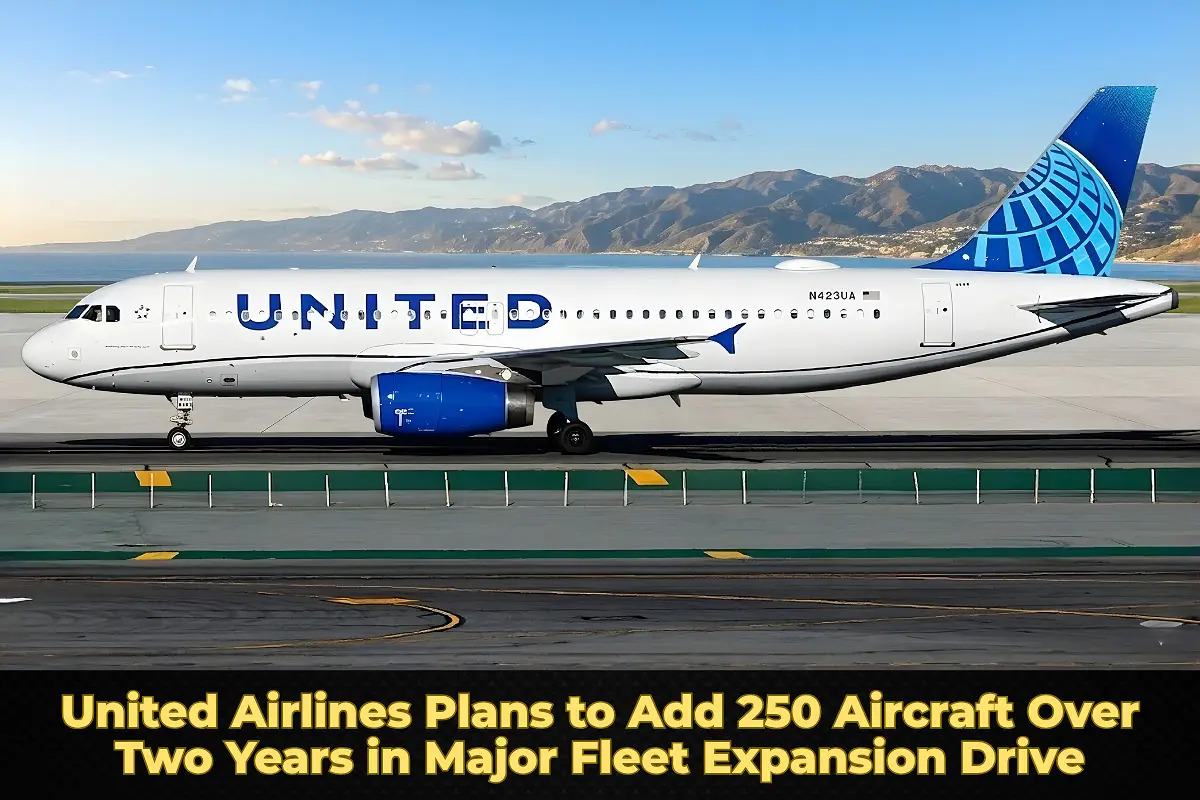
United Airlines announced plans in 2026 to add 250 aircraft to its fleet over the next two years, marking one of the most aggressive expansion strategies by any global carrier, as the airline seeks to boost capacity, modernize operations, and strengthen its competitive position in key domestic and international markets.
The Chicago-based airline confirmed that the aircraft deliveries will take place between 2026 and 2028, with a mix of narrowbody and widebody jets intended to support both short-haul and long-haul network growth. The move comes amid rising passenger demand and increasing competition among major carriers investing heavily in fleet renewal.
Largest Expansion Among Global Carriers
The addition of 250 aircraft represents one of the largest near-term fleet expansion programs in the aviation industry. United Airlines aims to significantly increase available seat capacity while replacing older, less efficient aircraft with newer models that offer improved fuel efficiency and lower operating costs.
The scale of the expansion positions United as a leader in post-pandemic aviation growth, with the airline seeking to capture a larger share of both domestic and international travel markets. The strategy reflects confidence in sustained demand recovery and long-term growth in air travel.
Industry analysts note that such a large influx of aircraft is rare within a two-year period, highlighting the airline’s ambitious approach to scaling operations.
Focus on Fleet Modernization
In addition to expanding capacity, the aircraft deliveries will play a key role in United’s fleet modernization efforts. New-generation aircraft are expected to replace aging jets, reducing maintenance costs and improving operational reliability.
Modern aircraft also offer better fuel efficiency, which is critical as airlines face rising fuel prices and increasing pressure to reduce carbon emissions. By investing in newer models, United Airlines aims to improve its environmental performance while maintaining cost competitiveness.
The modernization strategy aligns with broader industry trends, where airlines are prioritizing sustainability and efficiency alongside growth.
Supporting Network Expansion
The expanded fleet will enable United Airlines to grow its route network, adding new destinations and increasing frequencies on existing routes. The airline is expected to focus on strengthening its presence in key international markets while also enhancing connectivity within the United States.
Additional aircraft will provide flexibility to adjust capacity based on demand, allowing the airline to respond more effectively to market dynamics. This is particularly important in a rapidly evolving travel environment where passenger preferences and demand patterns can shift quickly.
The expansion is also likely to support United’s hub operations, improving connectivity and transit options for passengers traveling through major airports.
Economic and Operational Implications
Expanding the fleet at this scale requires significant investment and operational planning. United Airlines will need to manage aircraft deliveries, crew recruitment and training, maintenance infrastructure, and airport coordination to ensure smooth integration.
The move is expected to generate economic benefits, including job creation across various segments such as pilots, cabin crew, maintenance personnel, and ground operations. It may also stimulate activity in the broader aviation supply chain, including manufacturers and service providers.
However, the expansion also carries risks, particularly if market conditions change or demand growth slows. Airlines must balance growth ambitions with financial discipline to maintain long-term stability.
Competitive Landscape
The announcement comes as airlines worldwide continue to invest in fleet upgrades and expansion to remain competitive. Carriers are increasingly focusing on offering modern aircraft, improved passenger experience, and efficient operations as key differentiators.
United Airlines’ plan to add 250 aircraft places it ahead of many competitors in terms of near-term growth, potentially reshaping market dynamics in several regions. The ability to deploy additional capacity quickly can provide a competitive advantage in capturing demand and expanding market share.
At the same time, other major airlines are also pursuing expansion strategies, creating a competitive environment where capacity growth and service quality play crucial roles.
Passenger Experience Enhancements
New aircraft typically feature upgraded cabins, improved seating, and enhanced onboard amenities, contributing to a better passenger experience. United Airlines is expected to incorporate its latest cabin designs and technology across the new fleet, including improved inflight entertainment and connectivity options.
These enhancements can help attract customers and build brand loyalty, particularly as travelers increasingly prioritize comfort and convenience. The integration of modern aircraft also supports operational reliability, reducing delays and improving overall service quality.
The expansion therefore serves both operational and customer-focused objectives, reinforcing the airline’s broader strategy.
Industry Trends and Future Outlook
The aviation industry is entering a phase of renewed growth, with airlines investing in fleet expansion and modernization to meet rising demand. The scale of United Airlines’ plan reflects optimism about the future of air travel and the role of airlines in connecting global markets.
Looking ahead, the success of the expansion will depend on effective execution, including timely aircraft deliveries, efficient integration, and alignment with market demand. External factors such as fuel prices, economic conditions, and regulatory developments will also influence outcomes.
United Airlines may continue to adjust its strategy based on evolving conditions, ensuring flexibility in its operations and planning.
Conclusion
United Airlines’ plan to add 250 aircraft over two years represents a bold step in its growth and modernization strategy, positioning the carrier for expanded operations and increased competitiveness in the global aviation market.
The airline is set to proceed with deliveries through 2028, with the expansion expected to significantly enhance capacity, efficiency, and passenger experience as part of its long-term strategic vision.