US Senator Raises Concerns Over American Flight Schools Training Chinese Pilots
A US senator has raised concerns about American flight schools training Chinese pilots, citing national security risks and calls for increased scrutiny.
 Jishan Khan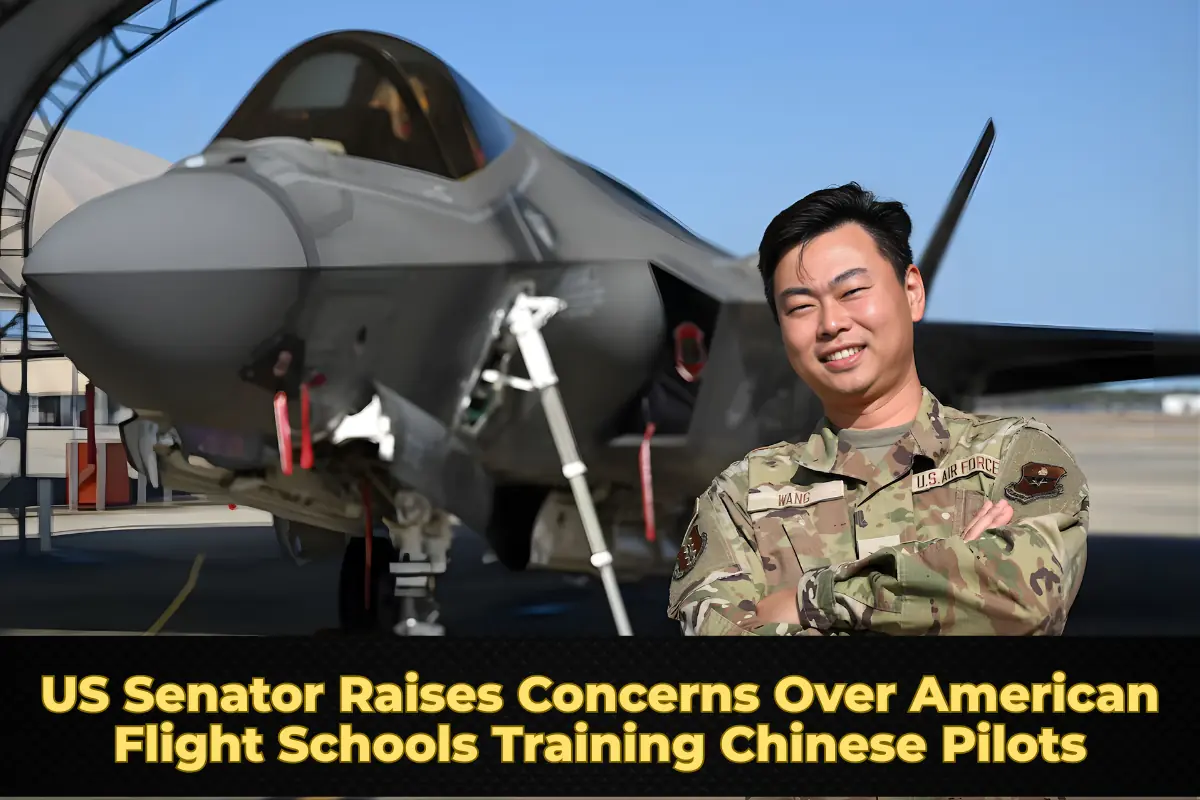
A United States senator has raised concerns over American flight schools providing training to Chinese pilots, citing potential national security risks and calling for greater oversight of foreign pilot training programs, according to recent reports. The issue has drawn attention in Washington as geopolitical tensions between the United States and China continue to shape policy decisions across multiple sectors, including aviation.
The concerns center on the growing number of Chinese nationals enrolling in US-based aviation training institutions, which are known globally for their advanced pilot training standards and infrastructure. While such programs have historically been part of international aviation cooperation, lawmakers are now questioning whether additional safeguards are needed to address security implications.
Focus on National Security Risks
The senator highlighted the potential risks associated with training foreign pilots from countries considered strategic competitors. Lawmakers argue that access to advanced aviation training, technologies, and operational procedures could have unintended implications if such knowledge is transferred beyond civilian use.
Although no specific violations have been cited, the concerns reflect a broader shift in how governments evaluate cross-border collaboration in sensitive sectors. Aviation training, which involves exposure to sophisticated aircraft systems and operational protocols, is increasingly being viewed through a national security lens.
Officials are urging federal agencies to review existing regulations and ensure that training programs involving foreign nationals comply with security standards while maintaining the integrity of the aviation education system.
Role of US Flight Schools
Flight schools in the United States have long attracted international students due to the country’s well-developed aviation ecosystem, experienced instructors, and access to modern training equipment. These institutions play a key role in supporting global aviation by helping to address pilot shortages in various regions.
Chinese airlines, like many carriers worldwide, have relied on overseas training programs to meet increasing demand for qualified pilots. As air travel expanded rapidly in Asia over the past decade, the need for trained aviation professionals has grown significantly.
For US flight schools, international students represent an important source of revenue, contributing to the sustainability of training programs and the broader aviation education sector.
Regulatory Oversight and Compliance
Foreign pilot training in the United States is subject to multiple layers of regulatory oversight, including background checks and visa requirements. Authorities such as the Transportation Security Administration (TSA) monitor training activities involving non-US citizens to ensure compliance with security protocols.
Despite these measures, some policymakers believe that existing safeguards may need to be strengthened in light of evolving geopolitical dynamics. Calls for tighter regulations include enhanced vetting processes, restrictions on certain types of training, and closer coordination between government agencies.
Industry stakeholders, however, caution against overly restrictive measures that could disrupt international collaboration and harm the competitiveness of US aviation training providers.
Impact on US-China Aviation Relations
The issue comes amid broader tensions between the United States and China, which have affected trade, technology, and transportation sectors. Aviation, traditionally a domain of international cooperation, has increasingly been influenced by geopolitical considerations.
Restrictions on pilot training could have implications for airlines in China that rely on foreign training programs to build their workforce. It could also lead to reciprocal measures affecting US aviation interests abroad.
At the same time, policymakers must balance security concerns with the economic and diplomatic benefits of maintaining open channels for education and training.
Industry Perspective
Aviation industry representatives emphasize that pilot training programs are designed for civilian purposes and adhere to strict regulatory standards. They argue that international collaboration is essential for maintaining global aviation safety and addressing workforce shortages.
Flight schools and aviation organizations have expressed willingness to work with regulators to ensure that security concerns are addressed without undermining the sector’s growth and international engagement.
The debate highlights the challenges of managing a globally interconnected industry in an era of heightened geopolitical sensitivity.
Economic Considerations
International students contribute significantly to the US aviation training market, generating revenue for flight schools, local economies, and related industries. Limiting access to training programs could have economic repercussions, particularly for smaller institutions that depend on foreign enrollments.
At the same time, policymakers are weighing these economic benefits against potential security risks, seeking to strike a balance that protects national interests while supporting industry growth.
The outcome of this debate could shape the future of aviation education in the United States and influence how other countries approach similar issues.
Global Pilot Demand
The global aviation industry continues to face a shortage of qualified pilots, driven by increasing air travel demand and retirements among existing personnel. Training programs in countries like the United States play a critical role in meeting this demand.
China, in particular, has been expanding its aviation sector rapidly, leading to a surge in demand for trained pilots. Overseas training has been an important component of its strategy to build a skilled workforce.
Any restrictions on access to training could exacerbate the global pilot shortage, affecting airline operations and capacity growth.
Next Steps and Policy Outlook
The concerns raised by the US senator are expected to prompt further discussions among policymakers, regulatory agencies, and industry stakeholders. Potential actions could include legislative proposals, regulatory reviews, or new guidelines governing foreign pilot training.
Authorities are likely to assess the effectiveness of current oversight mechanisms and consider whether additional measures are necessary to address emerging risks.
As the situation evolves, the aviation industry will be closely monitoring developments, given the potential impact on training programs, international partnerships, and workforce development.
Current Status
The issue remains under review, with policymakers evaluating the balance between national security considerations and the economic and operational benefits of international aviation training programs, while no immediate policy changes have been formally implemented.