US Treasury Targets Iranian Airlines With New Aviation Sanctions
US Treasury aviation sanctions on Iranian airlines could expand to landing rights, refueling services and ticket sales channels, increasing pressure on Iran’s international air connectivity amid escalating regional tensions.
 Jishan Khan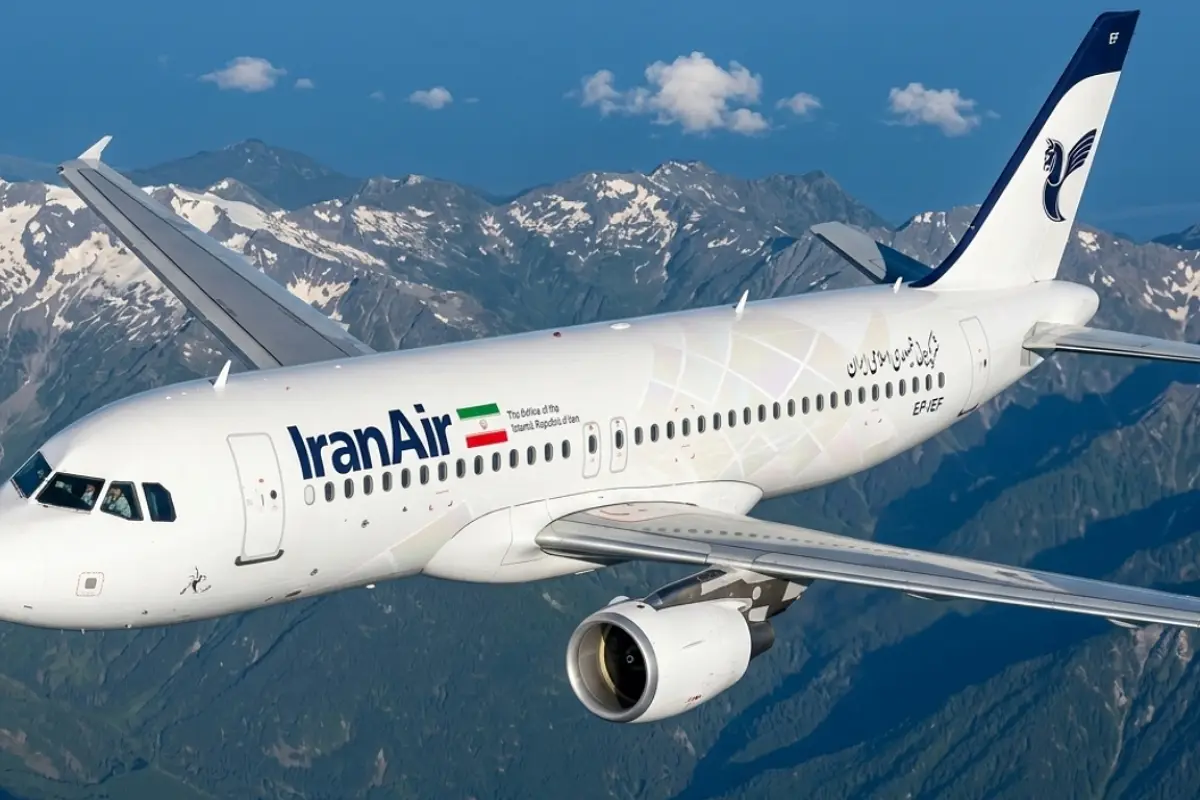
US Treasury Secretary Scott Bessent announced on May 28, 2026 that Washington will shut down Iranian state airlines' access to landing slots, refueling services and global ticket sales as part of an escalating economic pressure campaign against Tehran. Any airport, fuel supplier or ticketing platform that continues serving these carriers faces US sanctions.
This is not a targeted airline sanction. It is an attempt to make Iranian aviation radioactive for every party that touches it.
What US Treasury Secretary Bessent Actually Said
The Treasury Secretary was explicit in his framing: "The state-owned Iranian airlines are outlaws and cannot do this." He warned that anyone accepting landing fees, providing refueling or selling tickets on behalf of these carriers would be sanctioned, turning every international airport, fuel supplier and booking platform into a potential enforcement target.
Bessent carved out one exception: religious travel. Iranians wishing to make pilgrimage to Mecca or Medina will not be blocked. Everything else, commercial routes, business travel, cargo, is on the table.
The primary targets are Iran Air, the government-owned flag carrier, and Mahan Air, which has been under US sanctions for years over alleged links to Iran's Revolutionary Guard. Bessent did not name carriers specifically but referred to state-owned airlines throughout the briefing.
Why This Escalation Is Happening Now
The airline sanctions are one layer in a much larger pressure campaign that has been building since late February. On February 28, 2026, the US launched Operation Epic Fury against Iran targeting its nuclear programme, missile capability and support for regional proxies. Early strikes killed senior Iranian military leadership and the two sides entered a ceasefire in April to allow diplomatic talks, but negotiations have stalled and Washington is now tightening the economic vice while talks continue.
The Treasury simultaneously sanctioned Iran's Persian Gulf Strait Authority, the agency Tehran established to collect tolls from vessels transiting the Strait of Hormuz, which Iran has effectively closed since the February strikes, sending global energy costs sharply higher. Aviation sanctions sit alongside an oil blockade and banking restrictions as Washington tries to make every dollar of Iranian government revenue a pressure point.
What This Means for Iranian Passengers
The practical consequences for ordinary Iranians are significant. Iran Air operates routes to Europe, the Middle East and Asia that millions of passengers rely on for business travel, family visits and medical trips. If airports in Dubai, Istanbul, Frankfurt and Kuala Lumpur, currently among the most active hubs for Iranian traffic, calculate that the sanction risk outweighs the landing fee revenue, those routes disappear overnight.
That calculation is not hypothetical. During earlier rounds of US sanctions, airports in the UK, Germany and the UAE reported pressure to deny refueling to Iranian carriers, though some pushed back citing that passenger aviation was not explicitly covered under the measures at the time. This time, the Treasury Secretary has made the coverage explicit and personal, naming airports and fuel suppliers directly as targets rather than leaving room for interpretation.
The ceasefire is holding, barely. The pressure campaign, however, is accelerating.