Wizz Air Israel Hub Update: Q2 2026 Launch Still Targeted
Get the latest Wizz Air Israel hub update. The low-cost airline maintains plans for an early Q2 2026 launch despite regulatory and security challenges.
 Jishan Khan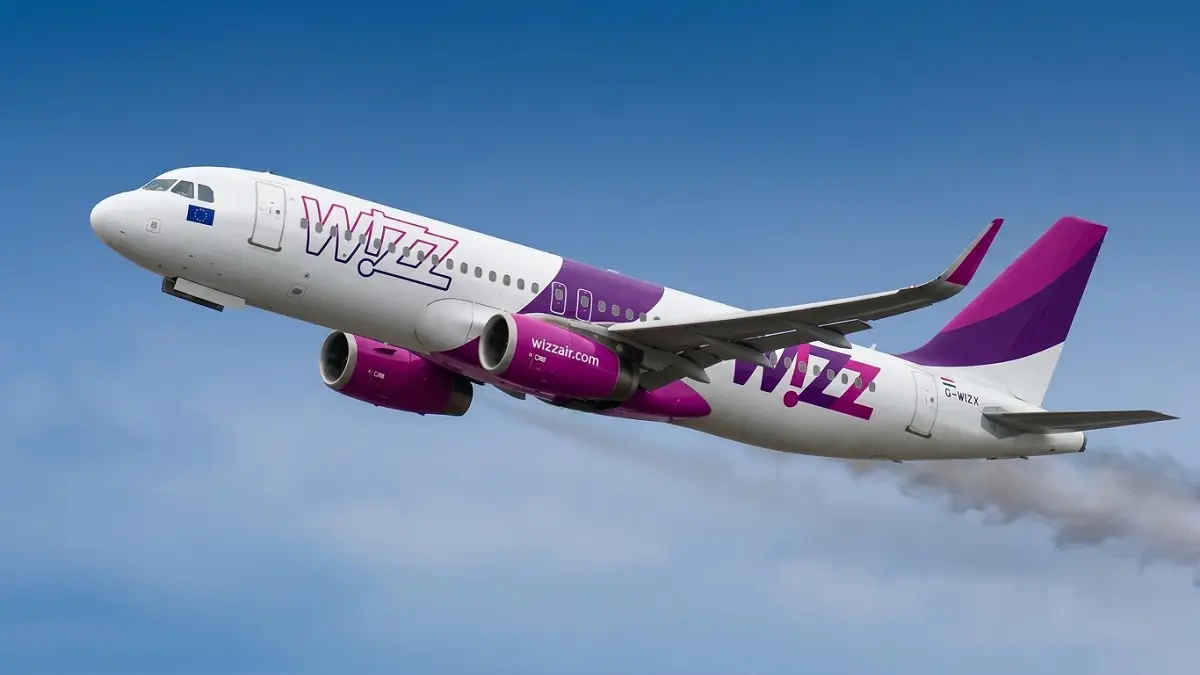
Quick answer: Wizz Air maintains its plan to establish a new operational hub in Israel, targeting an early Q2 2026 launch. The project faces ongoing delays caused by regulatory, political, security-related challenges, and local airline opposition, but the airline remains committed to expanding its footprint in the market.
Wizz air is maintaining its plan to establish a new operational hub in Israel, targeting an early Q2 2026 launch despite ongoing delays caused by regulatory, political, and security-related challenges, as the airline continues to position the market as a key pillar of its long-term expansion strategy.
The proposed hub, which includes basing aircraft locally and expanding route networks, is expected to introduce additional competition in Israel’s high-cost aviation sector, where fares have historically remained elevated due to limited low-cost penetration and strong incumbent carrier presence.
Israel Hub Development Plans
Wizz Air’s Israel hub project centers on deploying aircraft within the country and building a broader network of routes connecting Israel to key destinations across Europe and beyond. The initiative forms part of the airline’s wider strategy to expand its footprint in high-demand but underserved markets.
The airline has reiterated its intention to proceed with the hub despite delays, maintaining an early Q2 2026 timeline for launch. The plan reflects a long-term commitment to establishing a stronger operational base in the region rather than relying solely on point-to-point services.
By introducing locally based aircraft, Wizz Air aims to improve scheduling flexibility, increase route frequencies, and enhance connectivity options for passengers traveling to and from Israel.
Regulatory and Political Challenges
Progress on the Israel hub has been slowed by a combination of regulatory requirements and political considerations. Approval processes and compliance obligations have contributed to delays in finalizing operational arrangements necessary for launching the base.
In addition, opposition from local airlines has added complexity to the project, as incumbent carriers seek to protect market share in a sector where competition remains relatively concentrated.
These dynamics highlight the challenges faced by new entrants attempting to establish a significant presence in regulated and competitive aviation markets.
Security Environment and Operational Risks
Security concerns linked to regional instability have also played a role in delaying the hub’s development. Airlines operating in or expanding into Israel must account for evolving security conditions, which can affect operational planning, insurance costs, and route viability.
For wizz air, these factors have introduced additional layers of risk that require careful management as part of the hub’s rollout strategy.
Despite these challenges, the airline continues to move forward with its plans, indicating confidence in the long-term potential of the Israeli market.
Market Impact and Competitive Dynamics
The establishment of a Wizz Air hub in Israel is expected to increase competition within the country’s aviation sector, particularly in the low-cost segment. Increased competition typically leads to lower fares and expanded travel options, benefiting both leisure and business passengers.
Israel’s aviation market has historically been characterized by relatively high ticket prices, driven by a combination of operational costs, regulatory factors, and limited low-cost carrier presence.
The entry of a major European low-cost airline with a dedicated hub could alter these dynamics by introducing new pricing strategies and increasing capacity on key routes.
Strategic Importance of Israel
Wizz Air’s continued commitment to the project underscores the strategic importance of Israel within its broader network expansion plans. The country represents a high-demand market with strong outbound and inbound travel flows, making it an attractive target for low-cost growth.
The hub would serve as a gateway for connecting Israel with multiple destinations across Europe, supporting both tourism and business travel demand.
By investing in a local base, the airline aims to strengthen its competitive position while diversifying its operational footprint across different regions.
Current Status
While the Israel hub project has experienced delays, Wizz air continues to target an early Q2 2026 launch. The airline has not disclosed specific details regarding aircraft numbers, routes, or capacity at this stage.
The development remains subject to regulatory approvals and evolving regional conditions, but the airline’s continued commitment signals its intent to proceed despite ongoing challenges.
The outcome of the project will be closely watched as an indicator of how low-cost carriers expand into complex and high-cost aviation markets under challenging operating conditions.
Frequently Asked Questions
What is the latest Wizz Air Israel hub update?
Wizz Air is maintaining its plan to establish a new operational hub in Israel, targeting an early Q2 2026 launch. The project has experienced delays due to regulatory, political, and security-related challenges, as well as opposition from local incumbent airlines.
Why has the Wizz Air Israel expansion experienced delays?
Progress on the Israel hub has been slowed by regulatory requirements, political considerations, opposition from local airlines, and security concerns linked to regional instability that affect operational planning and insurance costs.
How will the Wizz Air Israel hub impact the aviation market?
The hub is expected to introduce additional competition in Israel’s high-cost aviation sector. By basing aircraft locally, Wizz Air aims to improve scheduling flexibility, increase route frequencies, enhance connectivity, and potentially lower fares.