Bengaluru Hotels Eye Food Price Hike After LPG Cost Jumps to ₹3,152
Bengaluru hotels may increase food prices after commercial LPG rates surged to ₹3,152 per cylinder, raising operational costs and impacting small operators.
 nishathapa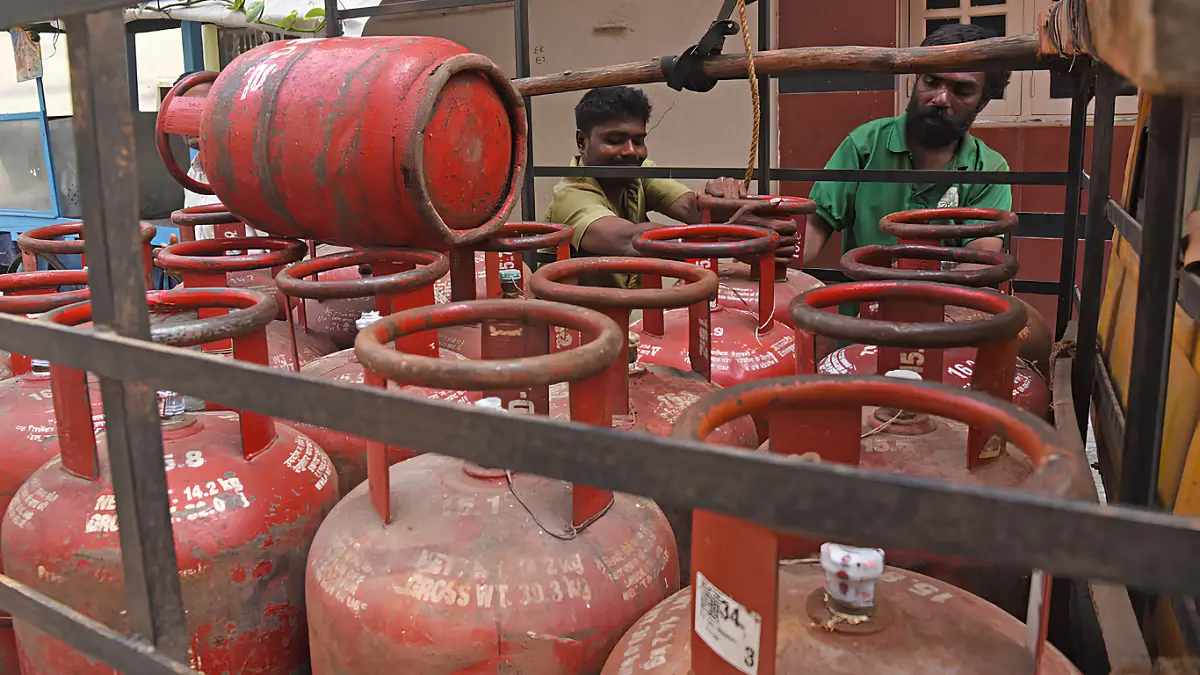
Bengaluru, May 2026: Hotels across Bengaluru are considering increasing food prices following a sharp rise in commercial LPG rates, which have surged by ₹993 to reach ₹3,152 per cylinder. The sudden increase in fuel costs has significantly impacted operational expenses, particularly for small and mid-scale establishments.
The price escalation marks a steep climb from ₹2,162 earlier this month and ₹1,844 just a few months ago, intensifying cost pressures across the food service sector. Industry stakeholders indicate that the sustained rise in input costs is making it increasingly difficult for hotels to maintain existing pricing structures.
LPG Rate Surge Drives Operational Cost Pressure
The sharp increase in LPG prices has emerged as a major concern for hotel operators, as fuel remains a critical component in daily kitchen operations. With commercial cylinder rates now exceeding ₹3,000, operating costs have risen significantly within a short period.
Hotel associations note that such rapid escalation leaves limited scope for cost absorption, particularly for businesses operating on thin margins. The increase is also compounded by rising electricity expenses, adding to the overall financial burden on establishments.
Industry representatives highlight that the cumulative effect of these cost increases is forcing operators to reassess pricing strategies across their menus.
Small and Mid-Scale Hotels Face Maximum Impact
According to industry stakeholders, the impact of the LPG price hike is more pronounced among small and mid-scale hotels. These establishments typically cater to daily wage workers, middle-income customers, and local communities, operating with limited flexibility in pricing.
Unlike premium or star-category hotels, which may have greater capacity to absorb fluctuations in operating costs, smaller eateries rely heavily on stable input pricing to sustain affordability. The current surge has placed these businesses under financial strain, making price revisions increasingly likely.
Operators in this segment indicate that maintaining a balance between affordability and cost recovery is becoming progressively challenging.
Food Price Revision Under Consideration
Hotel operators are now evaluating potential revisions in menu pricing as a response to rising costs. However, industry representatives suggest that any increase will be carefully calibrated to avoid a significant impact on customers, particularly those who depend on affordable meals.
Staple food items such as idly, dosa, vada, rice, and sambar are expected to remain relatively protected from steep price hikes. Hotels are focusing instead on selectively adjusting prices across other menu categories to manage cost pressures.
This measured approach reflects an attempt to balance financial sustainability with the need to retain customer affordability, especially in a market where price sensitivity remains high.
Industry Seeks Policy Support and Alternatives
In response to rising LPG costs, hotel associations have urged the central government to reduce the Goods and Services Tax (GST) on commercial LPG from 18 percent to 5 percent, aligning it with domestic LPG rates. Industry bodies argue that such a move would provide immediate relief to operators facing escalating expenses.
At the same time, hotels are exploring alternative fuel sources to reduce dependence on LPG. Options such as piped natural gas (PNG), firewood, and biogas are being considered as part of cost management strategies.
Some establishments have already begun adopting these alternatives, including stockpiling firewood for kitchen use, in an effort to mitigate the impact of fuel price volatility.
Affordability Challenges in a Price-Sensitive Market
The potential increase in food prices comes at a time when a large segment of Bengaluru’s population relies on affordable dining options. Hotels have historically played a key role in providing hygienic and reasonably priced meals to a broad customer base.
Industry representatives caution that sustained cost pressures could disrupt this balance, as operators are left with limited options to offset rising expenses. While price hikes may become unavoidable, the sector continues to prioritise affordability for essential food items.
The situation highlights broader challenges within the hospitality sector, where input cost volatility directly influences pricing decisions and operational sustainability. As LPG prices remain elevated, Bengaluru’s hotel industry is expected to continue navigating cost pressures while attempting to maintain service standards and customer accessibility.