International Hotel Group Plans Up to 10 Hotels in Portugal
Odyssey Hotel Group enters Portugal with a Porto project and plans for up to 10 hotels, as investment in the country's hotel sector accelerates sharply.
 RUKAIYA KADIWAL
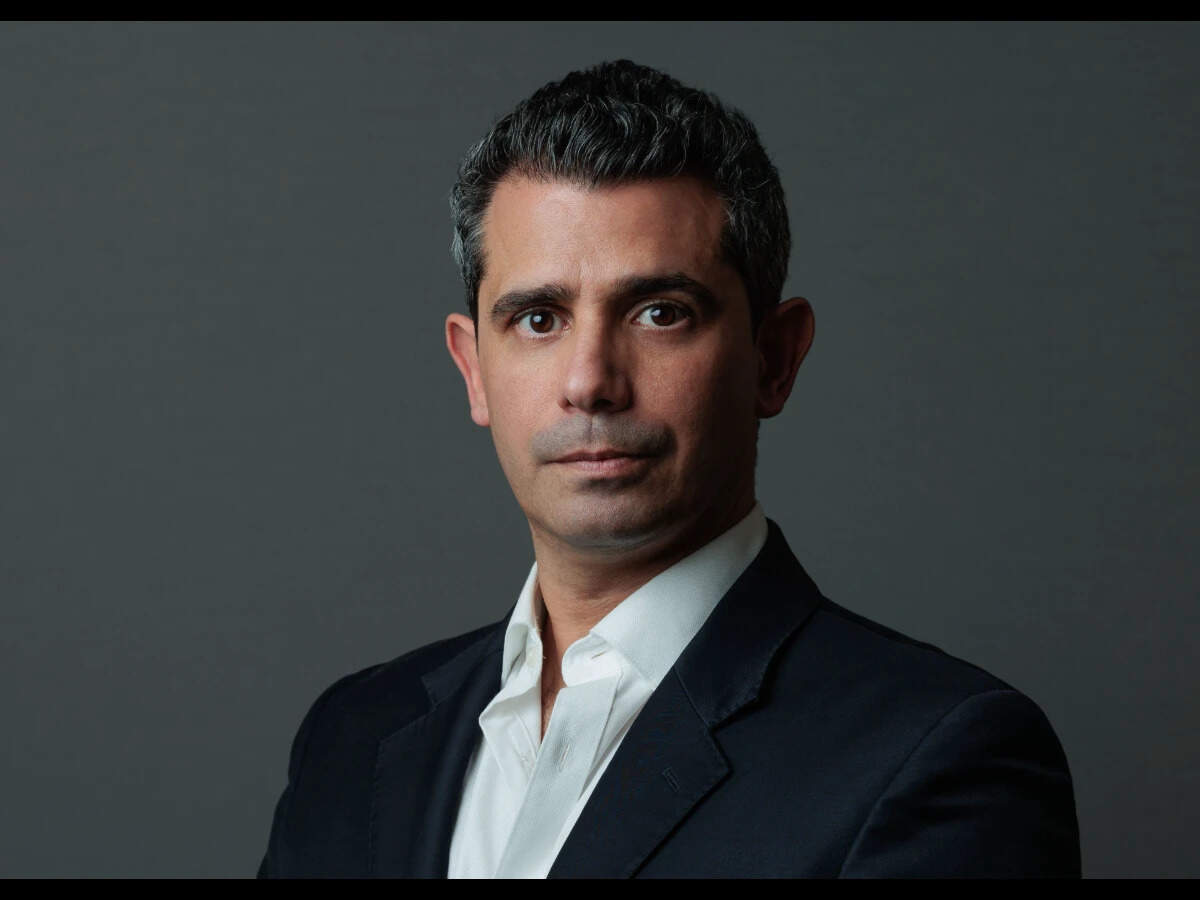
Gonzalo Escrivá de Romaní remembers the moment the numbers on the spreadsheet finally matched the instinct he had carried for months. He was reviewing site plans for a stretch of land in Campanhã, on the eastern edge of Porto, the kind of neighbourhood that rewards patience rather than spectacle. "Portugal has enormous growth potential," he told idealista, and the sentence, unremarkable as it might read on a page, was the culmination of years spent watching a market that most of Europe's hotel operators had already priced into their own ambitions.
As Development Director for Iberia at Odyssey Hotel Group, Escrivá de Romaní is not the kind of figure who appears in glossy hospitality features. His work happens earlier, in negotiations over land parcels and brand licensing agreements, long before a guest ever checks in. Yet the decision he was finalising in Porto would mark a genuine turning point, the Dutch operator's first entry into a country it had circled for some time, a move first reported in detail by The Portugal News.
The First Hotel, and the Plan Behind It
The Porto project, still in development, will bring more than 200 rooms to the Campanhã area, operating under one of the international brands OHG works with, a roster that includes Marriott, Hilton, IHG, Accor and Radisson. It is a significant undertaking on its own, but Escrivá de Romaní is careful to frame it as a beginning rather than a destination.
"There is still space for more international hotel brands in Portugal, especially compared to other European destinations," he said, a view that shapes the scale of what comes next. OHG intends to build a portfolio of between eight and ten hotels across the country over the next three years, with Lisbon, Porto and the Algarve identified as its primary markets. In the Algarve specifically, the group is scouting resorts with more than 120 rooms, weighing new construction against the option of acquiring and rebranding existing properties.
Why Now, and Why Portugal
The timing is not incidental. Escrivá de Romaní pointed to a steady rise in American visitors to Portugal, travellers who often arrive already loyal to international chains and their reward programmes, a habit that makes markets underserved by those brands especially attractive to operators like OHG. Combined with strong international tourism numbers and reliable air connectivity, Portugal has quietly become a market that hospitality investors no longer treat as a secondary bet.
The figures support that shift. According to Savills, hotel investment in Portugal reached 508 million euros in the first half of 2026 alone, a rise of 54 percent compared with the same period the previous year. Zoom out further and the trend becomes harder to dismiss as a short-term spike: between January 2025 and June 2026, more than one billion euros moved through the Portuguese hotel sector across 19 separate transactions.
A Market Still Filling In
What makes Portugal's position unusual is not simply the volume of capital arriving, but the sense among operators that the market has room left to absorb it. Unlike cities such as Barcelona or Lisbon's own established districts, where international hotel saturation has begun to shape acquisition strategy, Portugal's regional cities and coastal resort areas still present openings that would be difficult to find elsewhere in Western Europe.
That gap explains why OHG's ambitions extend well beyond a single flagship property. The group's interest in the Algarve, where it is weighing both ground-up development and the rebranding of existing resorts, reflects a broader pattern playing out across the hospitality industry this year, one in which international brands are moving into markets long dominated by independent or regional operators, reshaping expectations for both investors and travellers. Similar dynamics have been documented in hospitality markets adapting to rapid tourism-driven change, including cases such as the story of Hallstatt and the Chinese village built in its image, a reminder that popularity, once established, tends to attract imitation and investment in equal measure.
What It Means on the Ground
For Porto, the arrival of a new international operator is unlikely to be dramatic in the way a landmark opening might be elsewhere. Campanhà is not the city's postcard district, and that, in a sense, is the point. Hotel groups expanding into secondary neighbourhoods often signal something quieter than headline-grabbing investment: a belief that demand has outgrown the historic centre, and that visitors are increasingly willing to stay a short tram ride from the river rather than directly beside it.
For the wider Portuguese hospitality sector, the implications reach further still. New international hotels typically bring not only rooms but also standardised training programmes, loyalty infrastructure and construction contracts, all of which ripple outward into local employment. Whether that growth is welcomed without reservation depends on who is asked. Some industry voices in Portugal have raised concerns about rising property costs and the pressure that large-scale hotel investment can place on local housing markets, a tension that has surfaced in several Portuguese cities as tourism numbers climb.
A Country Being Watched Closely
Escrivá de Romaní's plans are, in the end, a bet on continuity, that Portugal's tourism growth will hold steady long enough to justify eight to ten new hotels within three years. It is a considerable wager, but one increasingly shared across the sector, as the investment figures from Savills suggest.
What began as a single conversation about a site in Campanhã has become something larger: a signal that Portugal, once considered a quieter alternative to Spain or Italy, is now being read by international hotel groups as a market with genuine room left to grow. Whether that growth arrives gently or reshapes the country's coastal towns and city districts in ways not everyone welcomes will likely depend less on the hotels themselves than on how carefully that growth is managed in the years ahead. For continued coverage of Portugal's tourism and hotel sector, readers can follow updates directly at The Portugal News.