Professional Tea and Coffee Training: Complete Training Guide with SOP & Professional Standards
Learn professional tea and coffee training with SOP, preparation workflow, service sequence, and guest handling techniques for hotel restaurant operations.
 Jyoti Kushwaha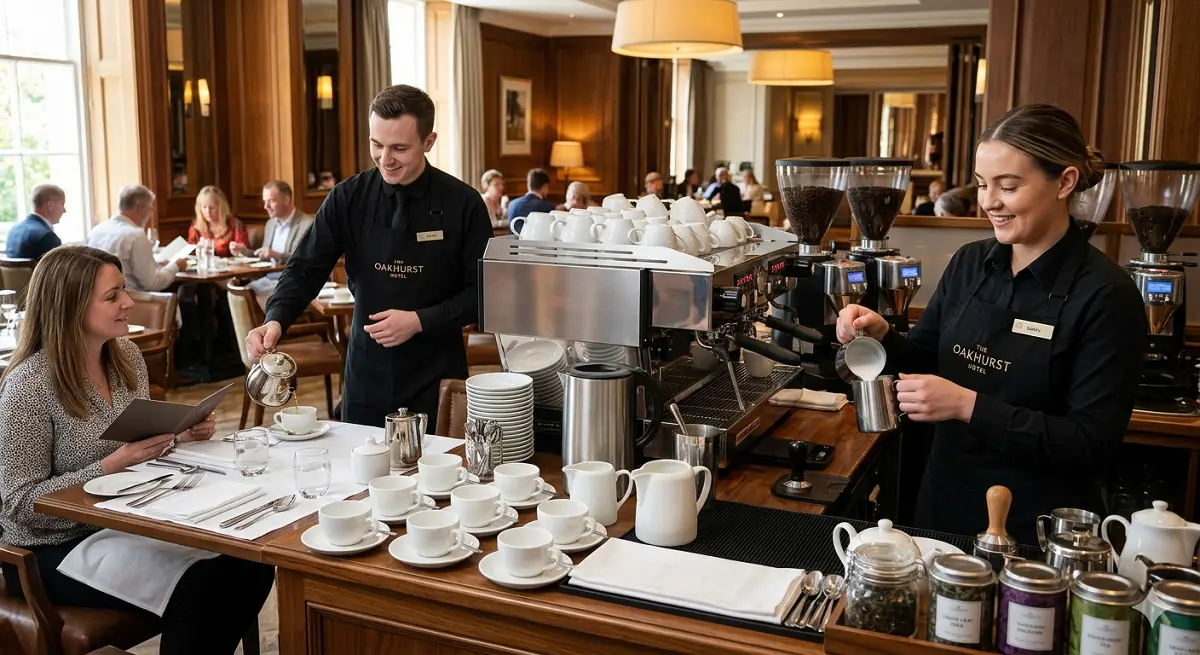
The latest feedback from the pass is simple tea and coffee are either saving the table or slowing it down. No middle ground. When it’s right, service flows. When it’s off, the whole section feels it. This article explains Tea and Coffee service in F&B operations in detail.
Overview of Professional Tea and Coffee Service in F&B Operations
Tea and coffee aren’t “just drinks.” They run all day breakfast rush, mid-meal refills, post-dessert close. You get them right, the table relaxes. You mess them up, service friction starts building. It’s not only about making the drink. It’s ingredients, brew control, clean presentation, and timing with the fire-order. Staff need to know what they’re serving and how fast they need to move. And don’t forget these drinks print money. Upsell smart, and numbers move. Delay or serve weak coffee, and the table’s vibe drops instantly. This is about clean execution. Every time.
SOP Procedure for Tea and Coffee beverage Preparation standards
Follow this like muscle memory. No shortcuts.
1. Pre-Preparation
Check Check everything before the first order hits. Machines clean. Cups spotless. Stock ready—tea, coffee, milk, sugar.
Pro-tip: If you’re fixing setup during service, you’re already behind in tea and coffee service.
2. Identify Beverage Type
Lock the order. Tea or coffee? Which one exactly espresso, cappuccino, green tea?
3. Measure Ingredients
Stick to standard measures. Guesswork kills consistency.
4. Prepare Beverage Control time and temperature.
Too long, bitter. Too short, weak. No excuses.
5. Add Accompaniments
Milk, sugar, honey, lemon serve as per standard or guest call.
6. Check Presentation Right cup.
Clean saucer. No spills. Correct temperature.
7. Serve Immediately
Hot drinks die fast. Move.
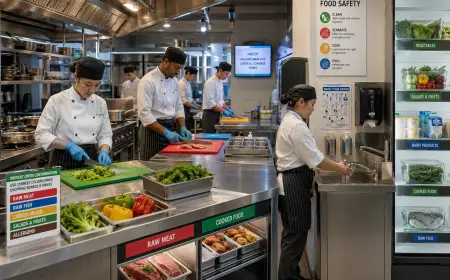
8. Follow Hygiene Standards
Clean station. No cross-contact. Always.
Operational Steps and Service Sequence
This is where speed meets control.
Step-by-Step Service Sequence:
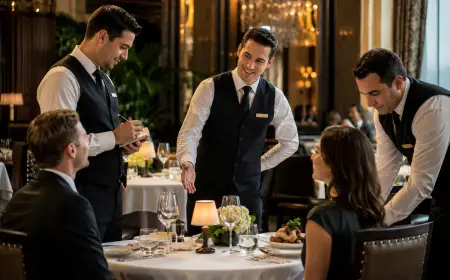
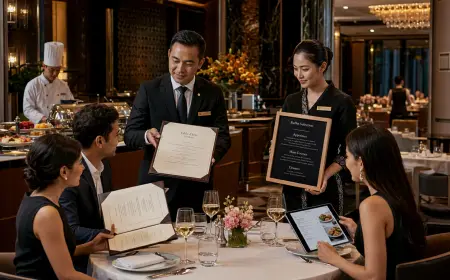
- Greet and offer beverage options
- Suggest based on time don’t offer cappuccino blindly at 11 PM
- Take order and repeat it back
- Punch into POS fast
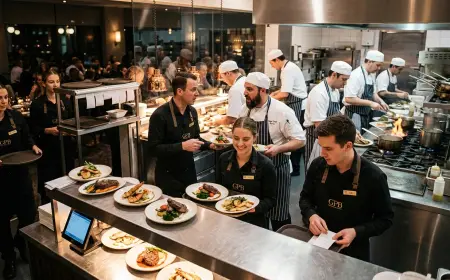
- Prepare or pick up from service
- Check heat, look, and setup
- Serve from the right side
- Place cup and saucer cleanly
- Offer sugar, milk, extras
- Check back within 2–3 minutes Service Timing Benchmarks:
- Order taking: within 2 minutes
- Preparation: 3–5 minutes
- Service: within 1–2 minutes after prep
- Check-back: within 2–3 minutes Operational Controls:
- Don’t let beverage orders pile up
- Stay tight with the prep/bar area
- Double-check before leaving the station
- Watch tables for refills before they ask
- Smooth beverage flow = smooth section.
Guest Interaction and Service Techniques
This is where average service turns sharp.
Service Interaction Standards:
• Eye contact. Always
• Speak clearly no mumbling
• Suggest with confidence, not pressure
• Stand right, move clean
Upselling Techniques:
• Push premium teas or specialty blends
• Add cookies or dessert pairings
• Offer upgrades flavored, stronger, better
Pro-tip: Don’t sell everything. Sell what fits the table’s mood.
Handling Special Requests:
• Adjust sugar, milk, strength exactly as asked
• Offer plant-based options if available
• Communicate clearly to prep
Handling Complaints:
• Replace immediately. No debate
• Apologize once. Fix fast
• Loop in supervisor if needed Good interaction builds trust. Fast fixes save tables.
Tools and Equipment for Tea and Coffee Service
Your tools define your speed.
Primary Equipment:
• Tea kettles and infusers
• Coffee machines (espresso, drip)
• Milk frothers and steam wands
• Cups, mugs, saucers
Support Equipment:
• Serving trays and stands
• Sugar bowls and milk jugs
• Thermometers
• POS system
Usage Guidelines:
• Clean everything. No stains, no marks
• Use the right cup always
• Control brew temperature
• Check machines before service starts Dirty gear = dead service.
Service Standards and Performance Metrics
This is your scoreboard.
Key Performance Metrics:
• Beverage consistency: 100%
• Service timing: within SOP
• Order accuracy: 100%
• Temperature: spot on
• Guest satisfaction: high, no complaints If one drops, the table feels it.
Evaluation and Continuous Improvement
You don’t fix problems after service you catch them during.
Evaluation Methods:
• Supervisor watches the floor
• Taste and quality checks
• Guest feedback
• POS data tracking
• Staff skill reviews
Common issues:
• Weak or inconsistent drinks
• Slow service
• Missed customization Fix it with repetition, not excuses. Train, correct, repeat.
Tea and coffee service is where discipline shows. It’s fast, visible, and constant. Stay sharp, stay clean, and keep it moving the table always notices.
Read more about beginner types of beverages.