7 Fast Food Mascots From the Golden Age You Definitely Remember
From The Noid to Mayor McCheese, these classic fast food mascots defined an era of advertising. Relive the golden age of restaurant marketing.
 RUKAIYA KADIWAL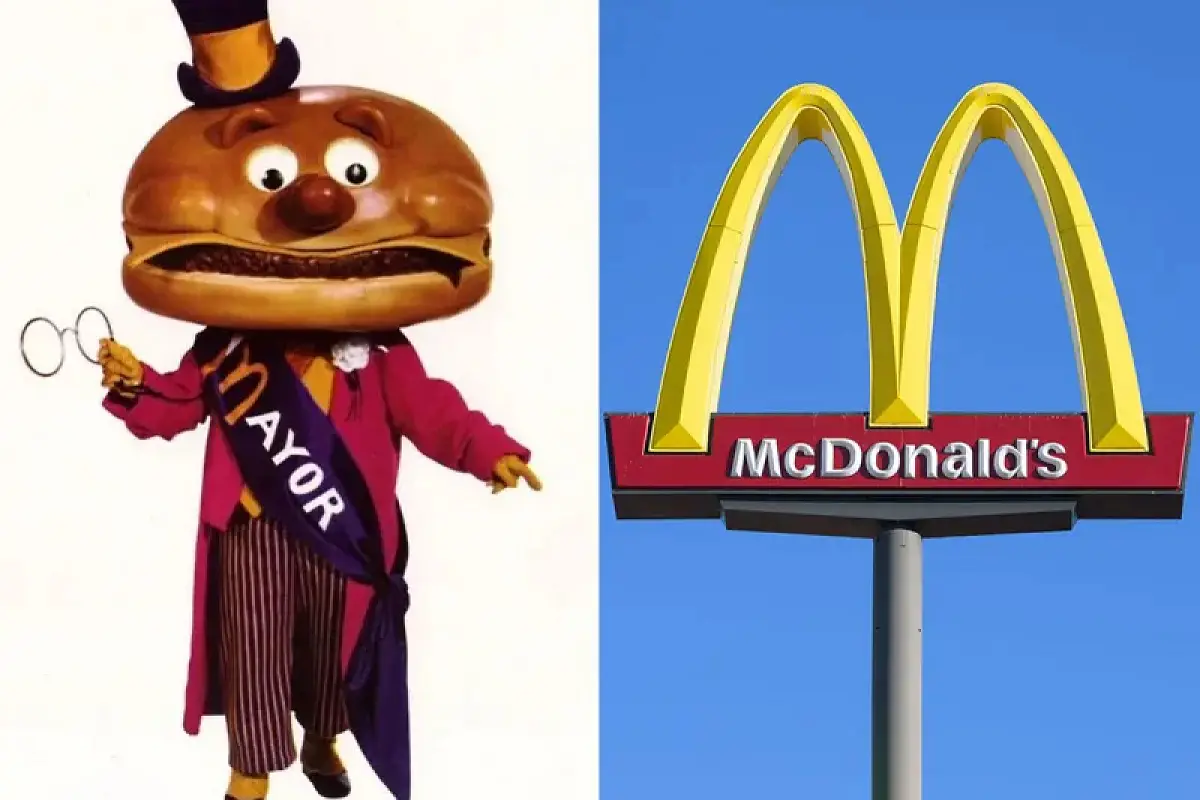
Long before food arrived at the door in fifteen minutes flat, it was a costumed character who got customers through it. Fast food chains understood something simple decades ago: children do not remember taglines, they remember faces. A handful of those faces became so familiar that they outlasted the menus, the packaging, and sometimes even the executives who dreamed them up. Looking back at these fast food mascots is less an exercise in trivia than a small tour through how American restaurant advertising grew up.
According to Eat This, Not That!, a handful of these characters defined what has come to be remembered as the golden age of fast food marketing, a period when a chain's identity was as likely to live in a mascot's grin as in its food.
The Noid and Domino's Race Against the Clock
For nearly a decade, Domino's leaned on a claymation figure named The Noid to sell its thirty minute delivery promise. His name played on the word annoyed, the exact feeling a hungry customer had while waiting on a cold pizza. Between 1986 and 1995, The Noid was inescapable, headlining his own 1989 video game, Avoid the Noid, and even turning up in Michael Jackson's music video for Speed Demon. He was a mascot built entirely around a business problem, and for a while, it worked.
Mac Tonight Serenades the Dinner Crowd
McDonald's had breakfast and lunch covered, but dinner was another matter, so in 1986 the chain introduced Mac Tonight, a crescent moon in sunglasses seated at a piano, crooning a tune borrowed from Bobby Darin's Mack the Knife. Nation's Restaurant News reported that the character helped push dinnertime business up more than ten percent at some California locations. The tribute did not sit well with Darin's estate, which sued in 1989 and settled for an undisclosed amount. Mac Tonight kept performing until 1997, when the character was quietly retired.
Pizza Pete, Pizza Hut's Forgotten First Face
Before the red roof became shorthand for Pizza Hut, there was Pizza Pete, a mustached figure in a red checkered shirt and white apron, created in 1963 by artist Edwin T. Pointer. He appeared on cups, bags, and signage for years before the chain gradually shifted its identity toward the architecture itself, and Pizza Pete faded out of use.
Mayor McCheese and the Lawsuit That Ended McDonaldland
Mayor McCheese, a cheeseburger headed figure in a mayoral sash, presided over McDonaldland throughout the 1970s alongside characters like Grimace and the Hamburglar. The setting proved costly. The Krofft Brothers sued, arguing McDonaldland too closely resembled one of their television shows, and McDonald's lost the case, eventually shutting down the McDonaldland universe and paying a substantial settlement.
Gidget the Chihuahua and a Decade Defined by One Line
Few advertising lines have stuck the way Yo quiero Taco Bell did. Voiced by actor Carlos Alazraqui, Gidget the Chihuahua became one of the most recognizable faces in 1990s fast food marketing, even making a cameo in a Godzilla movie tie in commercial. The campaign ran until July 2000, but its catchphrase has outlived it by decades.
Speedee, the Original Face of McDonald's
Before the Golden Arches became the brand, there was Speedee, a winking chef with a hamburger for a head, introduced in 1948 alongside the Speedee Service System that the McDonald brothers pioneered. Speedee remained the company's mascot until 1962, standing in for the very idea the brand was built on: fast, consistent food.
The Arby's Oven Mitt and a Lesson in What Not to Do
Not every mascot experiment aged into nostalgia. In the early 2000s, Arby's introduced a red and white oven mitt with a mouth, voiced by Tom Arnold, in an attempt to modernize a brand that had grown stale. Despite an eighty five million dollar campaign, the googly eyed, anxious mitt lasted only two years and is still regarded as one of the chain's most disastrous marketing decisions, a reminder that reinvention does not always mean reaching for something stranger.
The fast food industry today looks nothing like the one that produced Speedee or Mayor McCheese. Delivery apps, influencer marketing, and limited time menu drops have largely replaced the costumed spokescharacter, much the way brands now compete on speed of expansion and franchise strategy rather than jingles, a shift visible in how chains such as Chili's have approached growth and franchise expansion in recent years. Yet the mascots endure in memory precisely because they asked so little of the people who loved them. They did not need to be understood, only recognized, and for a generation raised in front of the television, that recognition was enough to make a hamburger with a mayor's sash feel like an old friend.