Historic Landmark Building Transformed into Modern Sushi Restaurant
A historic landmark building has been transformed into a contemporary sushi restaurant, blending heritage architecture with modern Japanese dining and revitalizing the local hospitality scene.
 Prajakta Sanjay Warwadkar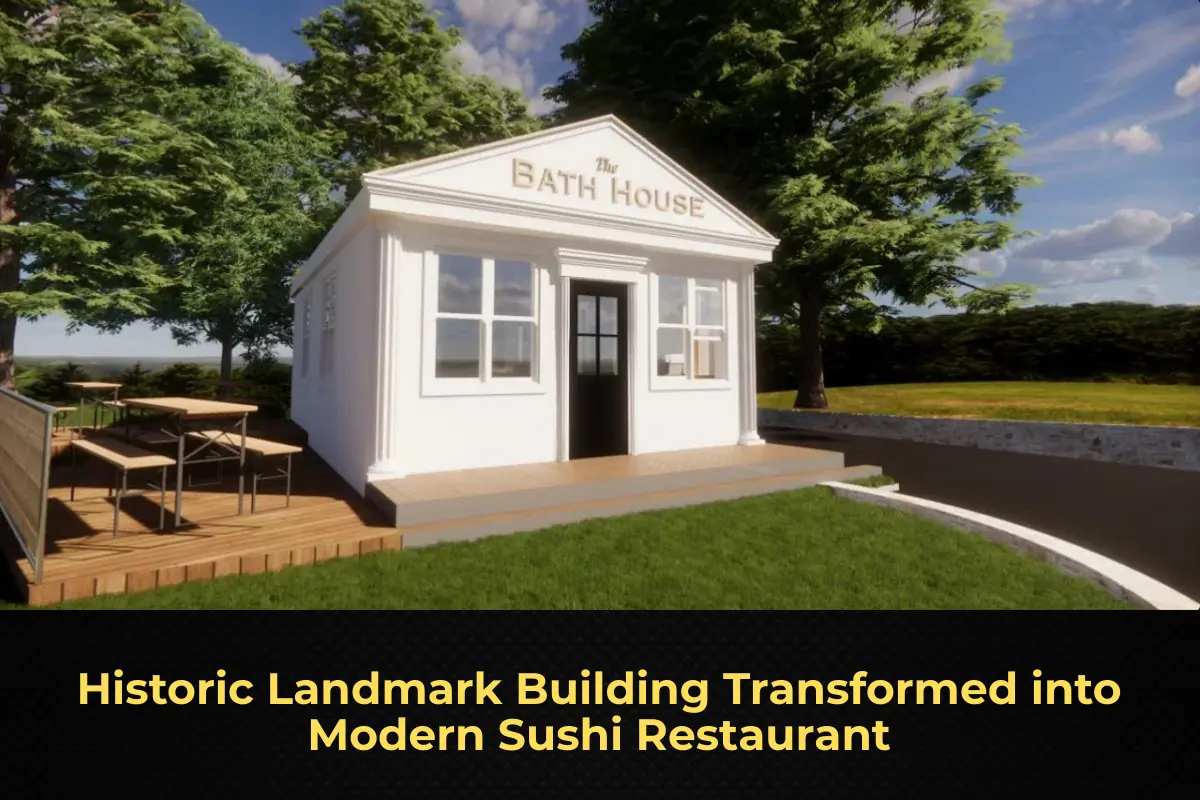
A Historic Landmark Finds New Life as a Sushi Restaurant
A landmark building with deep historical roots has been given a remarkable new identity after being transformed into a modern sushi restaurant. The project blends the charm and architectural character of a heritage property with the contemporary style of Japanese dining, creating a unique hospitality destination that respects the past while embracing modern culinary trends.
Adaptive reuse projects such as this are becoming increasingly popular in cities around the world. Instead of demolishing historic structures, developers and restaurateurs are choosing to restore them and introduce innovative dining concepts within their walls. The transformation of this historic building into a sushi restaurant reflects that growing movement in the hospitality industry.
The result is a dining space that combines cultural heritage with modern gastronomy, offering guests an experience that is as visually engaging as it is culinary.
Preserving Architectural Heritage
The building itself has long been recognized as a significant landmark within the community. For years it served various purposes and stood as a reminder of the area's architectural history. Over time, however, parts of the property required restoration and modernization to ensure its continued use.
Rather than altering the building beyond recognition, the renovation team chose to preserve key architectural elements that reflect its historic significance. Features such as original facades, structural details, and traditional design elements were carefully restored.
These preserved details now coexist with modern restaurant interiors, creating a distinctive atmosphere where history and contemporary design merge seamlessly.
Balancing Tradition with Modern Design
Transforming a historic property into a functioning restaurant requires careful planning. Designers and architects must ensure that the structure meets modern safety, accessibility, and operational standards while maintaining its historical identity.
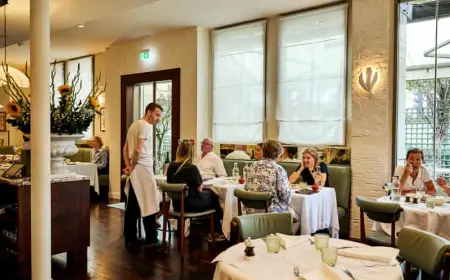
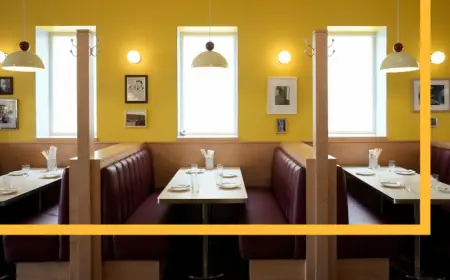
In this case, the interior was redesigned to support a modern sushi restaurant while highlighting the building's original character. Warm lighting, minimalist décor, and natural materials complement the preserved architectural features.
The combination of traditional design elements and contemporary Japanese aesthetics gives the restaurant a unique identity that sets it apart from typical dining spaces.
The Rising Popularity of Sushi Restaurants
Sushi restaurants have gained immense popularity worldwide in recent decades. Once considered a niche cuisine outside Japan, sushi has evolved into a global culinary phenomenon. Diners appreciate its delicate flavors, artistic presentation, and emphasis on fresh ingredients.
As consumer interest in Japanese cuisine continues to grow, restaurateurs are exploring creative ways to introduce sushi dining concepts in distinctive environments. Establishing a sushi restaurant inside a historic landmark building represents one such innovative approach.
This concept offers more than just a meal. It creates a memorable dining experience where guests enjoy carefully crafted dishes within an environment rich in history and architectural beauty.
A Dining Experience Beyond Food
Modern diners often seek experiences that go beyond traditional restaurant service. They look for spaces that provide atmosphere, storytelling, and a sense of discovery.
By combining heritage architecture with Japanese culinary artistry, the restaurant delivers an immersive experience. Guests can enjoy freshly prepared sushi while appreciating the character and legacy of the building around them.
This approach reflects a broader shift in the hospitality industry, where restaurants increasingly emphasize experience-driven dining.
Designing the Sushi Restaurant Interior
The interior design of the restaurant was carefully planned to highlight both Japanese cultural influences and the building's historic elements. Minimalist design principles, often associated with Japanese aesthetics, were used to create a calm and elegant atmosphere.
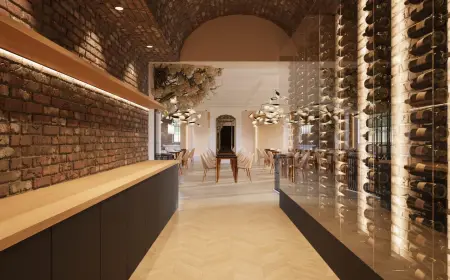
Natural materials such as wood and stone were incorporated into the design to complement the original architectural features. Soft lighting, clean lines, and open dining areas create a relaxed environment that allows guests to focus on the culinary experience.
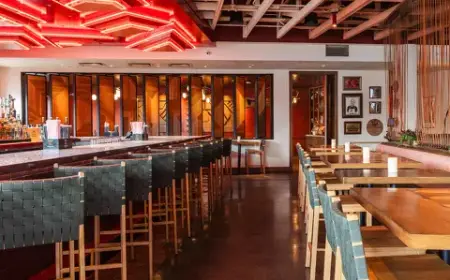
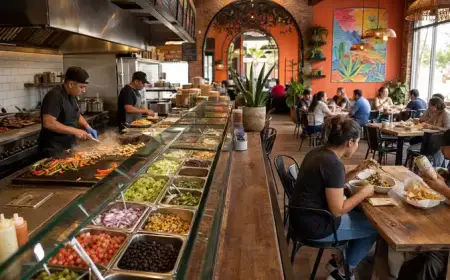
The sushi bar serves as a focal point within the restaurant. Here, chefs prepare dishes in full view of diners, adding an interactive and theatrical element to the dining experience.
The Art of Sushi Preparation
Sushi is widely regarded as both a culinary craft and a visual art form. Chefs undergo extensive training to master techniques such as rice preparation, fish slicing, and flavor balance.
The restaurant's culinary team focuses on delivering authentic sushi experiences while also experimenting with creative presentations and modern interpretations of classic dishes.
Guests can expect a menu featuring a range of traditional sushi selections, sashimi, and signature rolls that highlight fresh seafood and carefully balanced flavors.
Revitalizing the Local Hospitality Scene
The transformation of the landmark building into a restaurant also contributes to the revitalization of the local hospitality sector. New dining venues often stimulate interest in surrounding areas, encouraging both residents and visitors to explore nearby attractions.
Restaurants located within historic buildings often become destination venues because they offer a unique blend of history, architecture, and cuisine. This combination can attract diners looking for memorable experiences beyond conventional restaurants.
As a result, the new sushi restaurant is expected to become an important addition to the area's culinary landscape.
Boosting Tourism and Local Economy
Hospitality projects involving historic properties frequently play a role in promoting tourism. Travelers often seek out unique dining locations that showcase local heritage while offering modern hospitality services.
The newly opened sushi restaurant provides visitors with an opportunity to experience the building's historic charm while enjoying high-quality Japanese cuisine.
This combination of heritage preservation and culinary innovation can contribute to the broader economic vitality of the surrounding community.
The Growing Trend of Adaptive Reuse
Adaptive reuse—the process of repurposing old buildings for new functions—has become an important trend in urban development. Instead of abandoning historic properties, developers and restaurateurs are finding creative ways to integrate them into modern commercial spaces.
Restaurants, cafes, and boutique hotels are particularly well suited for adaptive reuse projects because they benefit from distinctive architectural environments.
By preserving the identity of historic buildings while introducing new uses, adaptive reuse projects help maintain cultural heritage while supporting contemporary business activity.
Sustainability and Preservation
Adaptive reuse also supports sustainability goals. Restoring and repurposing existing structures reduces the need for new construction materials and helps preserve valuable architectural resources.
From an environmental perspective, extending the life of existing buildings is often more sustainable than demolishing them and constructing new ones.
The transformation of this landmark building into a sushi restaurant demonstrates how sustainability, heritage preservation, and modern hospitality can work together successfully.
Creating a Memorable Culinary Destination
For restaurateurs, opening a restaurant in a historic building presents both opportunities and challenges. While such locations offer strong character and storytelling potential, they also require careful planning to accommodate modern kitchen equipment, dining spaces, and service operations.
The success of the project reflects the collaboration between architects, designers, chefs, and hospitality professionals who worked together to bring the concept to life.
The final result is a restaurant that celebrates both culinary excellence and architectural heritage.
Appealing to Modern Diners
Today's diners are increasingly drawn to restaurants that offer more than just food. They seek memorable settings, thoughtful design, and authentic culinary craftsmanship.
A sushi restaurant located within a restored landmark building meets these expectations by providing a distinctive environment that cannot easily be replicated elsewhere.
The concept demonstrates how restaurants can differentiate themselves in competitive markets by combining creative cuisine with meaningful storytelling.
Looking Toward the Future
The opening of the sushi restaurant marks a new chapter for the historic building. What was once a quiet architectural landmark has now been reimagined as a vibrant dining destination.
As guests gather within its restored walls to enjoy carefully crafted sushi dishes, the building continues to play an active role in the community—this time as a place where people connect over food, culture, and shared experiences.
Projects like this highlight the potential of historic properties to evolve while maintaining their unique identities. By blending preservation with innovation, the hospitality industry can transform heritage spaces into dynamic destinations for modern audiences.
The sushi restaurant stands as a testament to the possibilities that arise when architecture, history, and culinary creativity come together. It represents not only a successful restaurant opening but also a celebration of how the past can inspire the future of hospitality.