Sindhi Cuisine Spotlight: Vicky Ratnani’s Powerful Singapore Pop-Up Experience
Sindhi cuisine takes center stage as Chef Vicky Ratnani brings a unique pop-up to Singapore, showcasing bold flavors, heritage, and modern storytelling.
 Prajakta Sanjay Warwadkar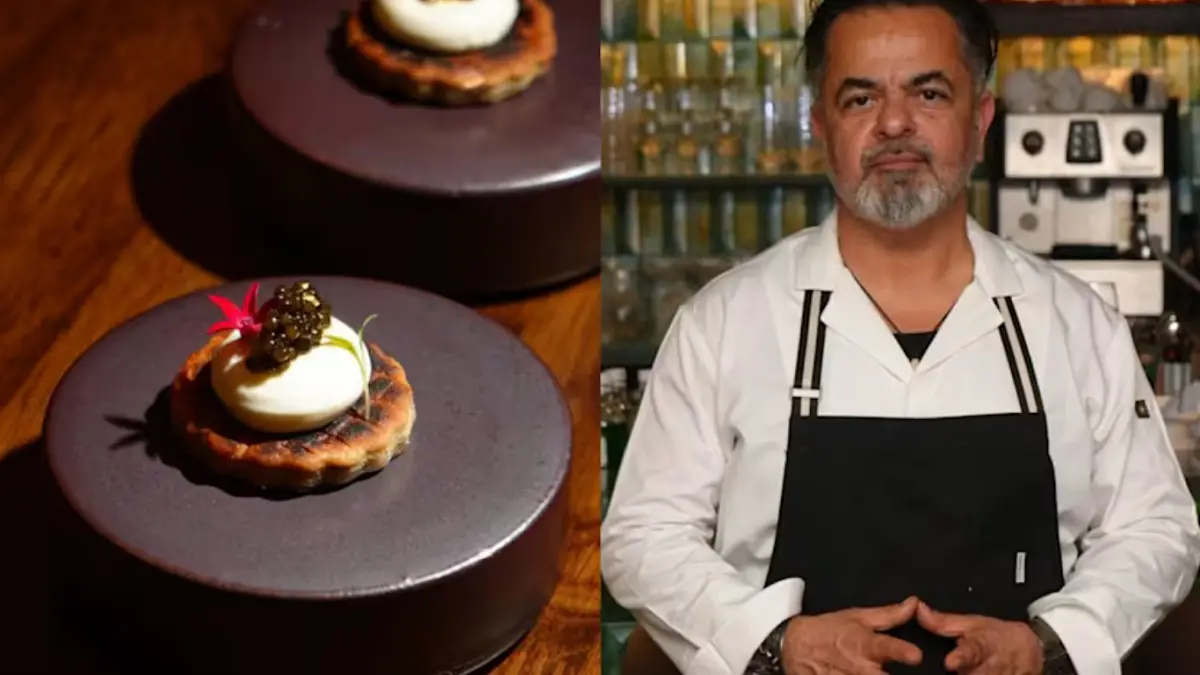
Sindhi Cuisine Spotlight: Vicky Ratnani’s Powerful Singapore Pop-Up Experience
Sindhi cuisine is gaining global attention as celebrity chef Vicky Ratnani brings a unique culinary pop-up to Singapore, introducing diners to one of India’s most underrated food traditions. Hosted at Firangi Superstar, the limited-time experience highlights how traditional recipes can evolve while preserving cultural identity.
The three-day pop-up, titled “The Sindhi Supper Club,” is more than just a dining event. It represents a broader movement in the hospitality industry, where chefs are rediscovering regional cuisines and presenting them to global audiences through modern storytelling and technique.
Sindhi Cuisine Takes Global Stage
Sindhi cuisine has long remained underrepresented in mainstream restaurant culture. Unlike Punjabi or South Indian food, it has traditionally stayed within homes rather than commercial dining spaces. This lack of visibility has contributed to its status as one of India’s most overlooked culinary traditions.
Chef Vicky Ratnani is aiming to change that narrative. Through this pop-up, Sindhi cuisine is being introduced to a new audience in Singapore, offering both authenticity and innovation. The initiative reflects a growing demand for regional Indian cuisines that go beyond familiar staples.
The cuisine itself is deeply rooted in history, shaped by migration and resilience. Following the Partition of India, the Sindhi community spread across different parts of the world, carrying their food traditions with them. As a result, the cuisine evolved without a fixed geographical base, yet retained strong cultural identity.
Chef Vicky Ratnani’s Vision for Sindhi Cuisine
Chef Vicky Ratnani, known for his global culinary experience and television presence, approaches Sindhi cuisine with a strong sense of personal connection. His cooking reflects both nostalgia and innovation, combining traditional flavors with contemporary presentation.
For Ratnani, food is not just about taste. It is about memory, emotion, and storytelling. Each dish in the pop-up menu carries a narrative, whether it is inspired by family recipes or cultural traditions passed down through generations.
His philosophy centers on respecting the roots of the cuisine while adapting it for modern diners. Instead of replicating dishes exactly as they were, he focuses on understanding their essence and reinterpreting them in a way that feels relevant today.
Flavours and Techniques That Define Sindhi Cuisine
Sindhi cuisine is known for its bold, layered flavors. It often balances sour, sweet, and spicy elements using ingredients such as tamarind, kokum, dried mango powder, and plums. These flavors are combined with slow-cooked onions, spices, and herbs to create depth and complexity.
Unlike some other Indian cuisines, Sindhi food does not rely heavily on cream or butter. Instead, it uses pantry ingredients and traditional cooking techniques like slow bhunao, fermentation, and sun-drying to enhance flavor.
Texture also plays an important role. Meals often include a mix of crispy fried elements, soft lentils, and rich gravies, creating a multi-dimensional dining experience.
Signature Dishes Featured at the Pop-Up
The menu at the Sindhi Supper Club features a curated selection of both traditional and modern dishes. Some highlights include:
Sai Bhaji with Koki, a comforting combination of lentils, spinach, and flatbread
Dal Pakwan, a classic breakfast dish reimagined with contemporary presentation
Mutton curry with Bhuggal Chawal, a slow-cooked, deeply flavorful rice dish
Lobster and saffron khichdi, blending luxury ingredients with traditional comfort food
Sev Mithai dessert, offering a lighter, modern interpretation of a nostalgic sweet
These dishes showcase the versatility of Sindhi cuisine, proving that it can adapt to both casual and fine dining formats.
Firangi Superstar as the Perfect Platform
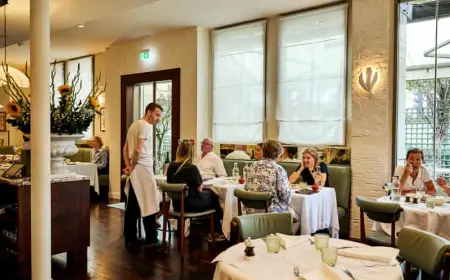
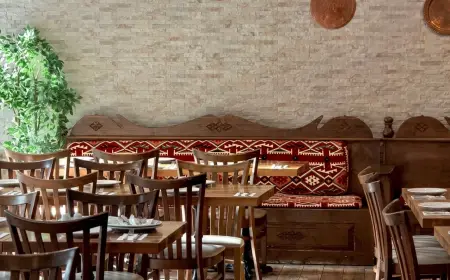
The choice of venue plays a crucial role in the success of the pop-up. Firangi Superstar is known for its immersive dining concepts and focus on storytelling. This aligns perfectly with Ratnani’s approach to showcasing Sindhi cuisine.
The restaurant has built a reputation for highlighting diverse Indian flavors, making it an ideal platform to introduce lesser-known regional cuisines. By hosting events like the Sindhi Supper Club, it continues to position itself as a hub for culinary exploration.
The collaboration also reflects a broader industry trend where restaurants partner with guest chefs to create unique, time-bound experiences that attract both locals and tourists.
The Role of Culture and Identity in Food
Sindhi cuisine is deeply tied to cultural identity. Many dishes are associated with festivals, family gatherings, and life events. For example, Sai Bhaji is considered both everyday comfort food and a symbolic dish within the community.
Festive occasions bring out more elaborate preparations, including sweet saffron rice and slow-cooked meat dishes. These meals are not just about nourishment but also about preserving traditions and passing them on to future generations.
Chef Ratnani emphasizes that food serves as a bridge between the past and the present. By sharing these dishes on an international stage, he is helping to keep the culture alive while introducing it to new audiences.
Global Trend of Rediscovering Regional Cuisines
The rise of Sindhi cuisine on a global platform is part of a larger shift in the food industry. Diners are increasingly seeking authentic and diverse culinary experiences. This has led to a renewed interest in regional and heritage cuisines.
Chefs around the world are now focusing on storytelling, sustainability, and cultural authenticity. Instead of generic menus, restaurants are offering curated experiences that highlight specific regions, traditions, and ingredients.
This trend is particularly strong in Asian cuisine, where countries like India are showcasing the diversity of their food culture beyond widely known dishes.
Balancing Tradition and Innovation
One of the biggest challenges in presenting traditional cuisine is finding the right balance between authenticity and innovation. Over-modernising can dilute the essence of the dish, while strict adherence to tradition may limit its appeal to new audiences.
Chef Ratnani addresses this challenge by focusing on the core flavors and techniques of Sindhi cuisine while experimenting with presentation and format. This approach allows him to create dishes that feel both familiar and new.
His work highlights the importance of evolution in keeping culinary traditions relevant. Without adaptation, many regional cuisines risk being forgotten.
Impact on the Hospitality Industry
The success of events like the Sindhi Supper Club demonstrates the potential of niche culinary experiences in the global hospitality market. Restaurants are increasingly moving towards concept-driven dining, where the focus is on creating memorable experiences rather than just serving food.
Pop-ups, chef collaborations, and themed menus are becoming key strategies for attracting customers and generating buzz. These formats allow restaurants to experiment with new ideas without long-term commitments.
For chefs, such platforms provide an opportunity to showcase their creativity and connect with a wider audience.
Future Outlook for Sindhi Cuisine
The growing interest in Sindhi cuisine suggests that it may soon find a stronger presence in international dining markets. As more chefs and restaurateurs explore regional Indian cuisines, there is potential for Sindhi food to move beyond home kitchens and into mainstream restaurants.
Events like this pop-up play a crucial role in building awareness and appreciation. They serve as a starting point for introducing new audiences to the richness and diversity of the cuisine.
With continued efforts from chefs like Vicky Ratnani, Sindhi cuisine could become an important part of the global culinary conversation.
Conclusion
The Sindhi Supper Club in Singapore represents more than just a dining event. It is a celebration of culture, history, and identity through food. By bringing Sindhi cuisine to an international audience, Chef Vicky Ratnani is helping to redefine how regional Indian cuisines are perceived.
As the hospitality industry continues to evolve, experiences that combine storytelling with culinary excellence are likely to lead the way. Sindhi cuisine, with its depth and character, is well positioned to be part of this global movement.