Spirit Airlines Collapse: Did Trump Pass on a $1B Opportunity?
Spirit Airlines shuts down after 34 years, raising questions around missed investment opportunities and Trump’s lack of response to a potential $1B turnaround scenario.
 Jishan Khan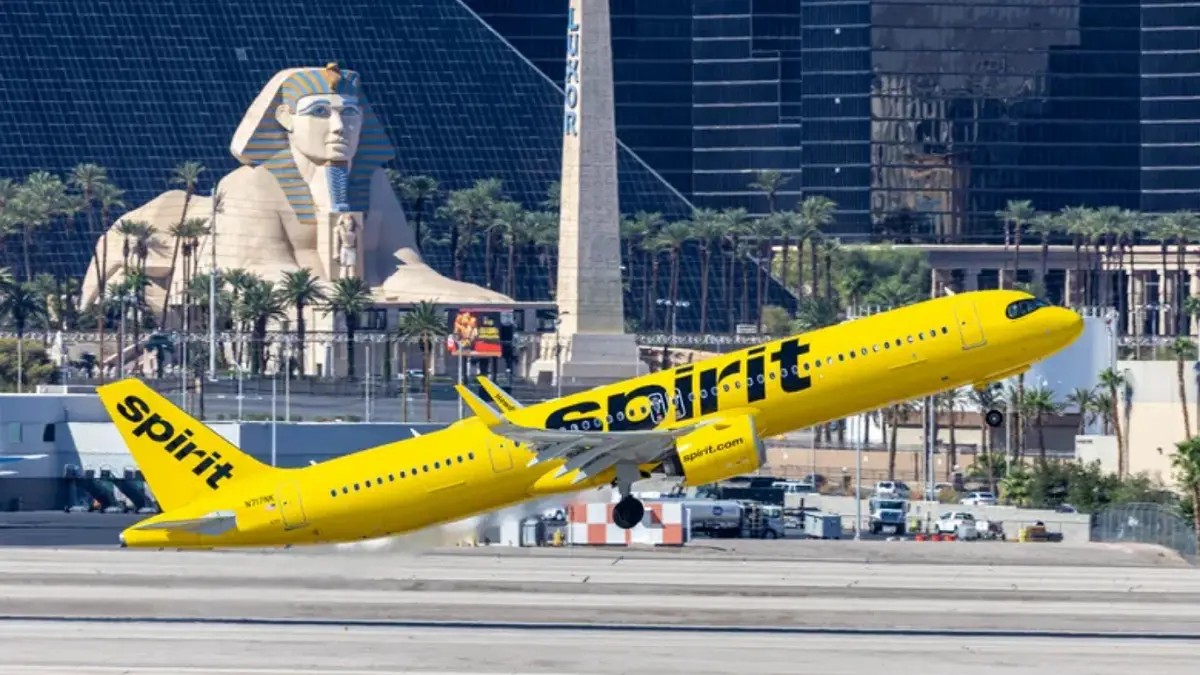
Spirit airlines has begun winding down operations after 34 years in business, cancelling all flights and effectively exiting the US aviation market, according to a report by NDTV. The move marks one of the most significant collapses of a low-cost airline in recent years.
Trump has not made any official statement regarding the Spirit Airlines shutdown, despite earlier speculation around a potential buyout.
His past comments framed the airline as a turnaround opportunity, but there has been no follow-up action or confirmation.
The lack of response leaves uncertainty around whether the situation was ever seriously considered or remained a theoretical investment angle.
Operational Shutdown and Flight Cancellations
Spirit Airlines has cancelled all scheduled flights as part of its wind-down process, signaling a complete halt to commercial operations. The decision impacts both domestic and international routes operated by the airline, effectively grounding its entire fleet.
The shutdown represents a full operational cessation rather than a temporary suspension, with no indication of resumed services. Passengers holding bookings have been affected by the cancellations, adding to the immediate disruption across the airline’s network.
The move concludes more than three decades of continuous operations for the carrier, which had established itself as a major player in the US budget aviation segment.
Market Impact and Industry Context
The shutdown of Spirit Airlines removes a key ultra-low-cost competitor from the US aviation market, potentially affecting pricing dynamics and competition levels. The airline had played a significant role in offering low fares and stimulating demand across various routes.
Its exit could lead to reduced capacity in certain markets, particularly on routes where Spirit maintained a strong presence. This may create opportunities for other carriers to expand or adjust pricing strategies in response to the reduced competition.
The development also highlights ongoing pressures within the low-cost segment, where airlines must balance aggressive pricing with rising operational costs and evolving demand patterns.
Historical Significance
Founded over three decades ago, Spirit Airlines grew to become one of the most recognizable ultra-low-cost carriers in the United States. Its business model focused on offering base fares at minimal cost while charging separately for additional services.
Over the years, the airline expanded its network significantly, serving numerous destinations across North America, Latin America, and the Caribbean. Its distinctive pricing approach helped reshape consumer expectations around air travel affordability.
The end of its operations marks the conclusion of a notable chapter in the evolution of the US low-cost aviation sector.
Current Status
With all flights cancelled and operations halted, Spirit airlines is now in the process of winding down its business. The airline’s future remains uncertain as it navigates the next steps following its operational shutdown.
The closure underscores the volatility of the aviation industry and the challenges faced by carriers operating within highly competitive and cost-sensitive market segments.