Beginner Types of Beverages: Complete Training Guide with SOP & Professional Standards
Learn beginner types of beverages training with SOP, service sequence, classification, and handling techniques for hotel and restaurant operations.
 Jyoti Kushwaha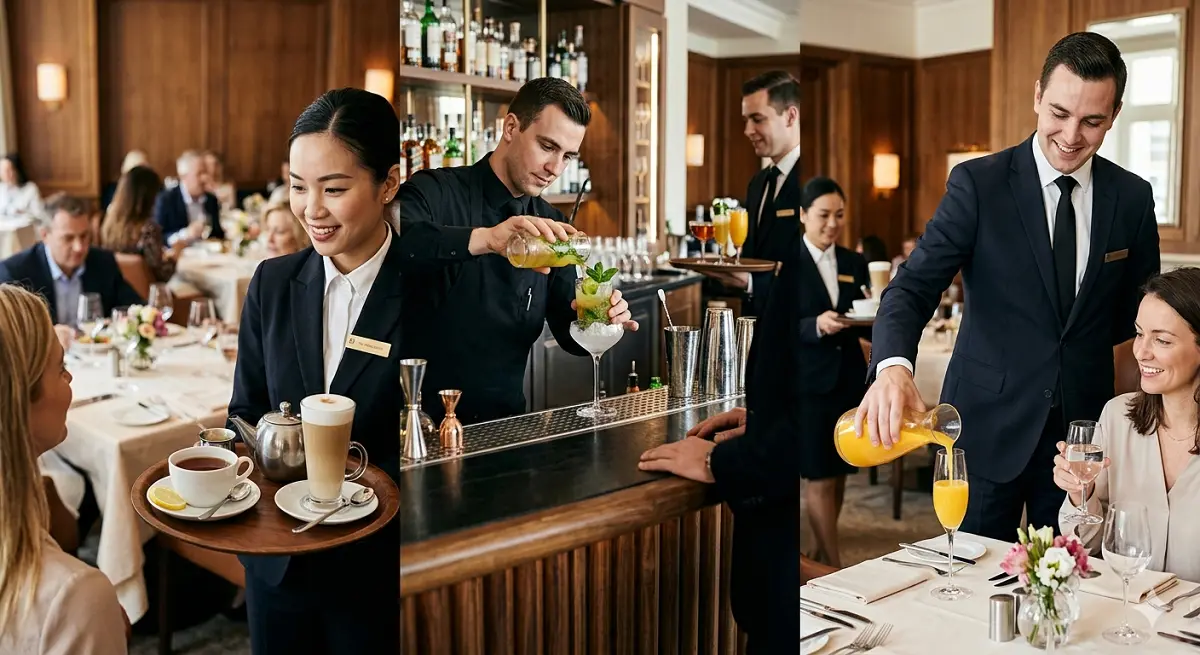
Experienced captains are flagging a pattern new staff aren’t losing tables on food, they’re losing them on drinks. Wrong suggestions, slow service, missed refills. That’s easy revenue slipping away. This article explains beginner types of beverages training in detail.
Overview of Beginner Types of Beverages Training
Beverage basics aren’t optional. They run through the entire service from first greeting to final bill.
You need to know what you’re serving. And you need to move fast while doing it.
Two main categories alcoholic and non-alcoholic. But each one has layers, rules, and service styles.
When you know your drinks, you stop guessing. Orders get faster. Mistakes drop.
And coordination with the bar or kitchen gets tight.
Pro tip: If you hesitate while taking a drink order, the guest loses confidence instantly.
SOP Procedure for Beverage Classification and Handling
This is your base flow. Follow it every time.
1. Identify Beverage Type
Know what it is alcoholic or non-alcoholic. No confusion before you punch the order.
2. Confirm Order Details
Repeat everything type, size, temperature, custom changes. Get it right the first time.
3. Coordinate with Bar or Kitchen
Send it to the right station. Bar handles alcohol. Kitchen/service handles the rest.
4. Prepare or Collect Beverage
Check it against the standard. No shortcuts on recipe or presentation.
5. Check Quality and Presentation
Right glass. Clean rim. Correct garnish. No exceptions.
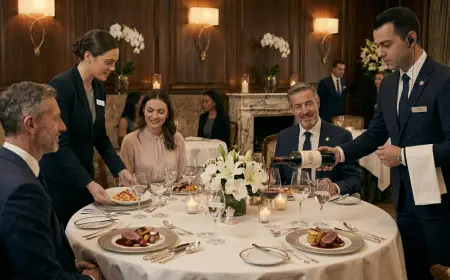
6. Serve Beverage Properly
Serve from the correct side. Stand straight. Announce the drink.
7. Monitor Guest Satisfaction
Check back in 2–3 minutes. Don’t vanish after serving.
8. Clear and Reset
Clear empty glasses fast. Stay ahead of the table.
Pro tip: One wrong drink slows the whole table.
Types of Beverages and Classification Structure
Know these categories cold. This is your daily language.
Non-Alcoholic Beverages:
• Hot : Tea, coffee, hot chocolate
• Cold : Juices, soft drinks, iced tea
• Dairy-Based : Milkshakes, smoothies
• Health Drinks : Fresh blends, detox options
Alcoholic Beverages:
- Fermented : Beer, wine
- Distilled : Whisky, vodka, rum, gin
- Mixed : Cocktails and mocktails
Specialty Beverages:
• Signature house drinks
• Seasonal specials
• Mocktails for non-alcoholic guests
Each one has its own glass, prep style, and service rule.
Pro tip: If you don’t know the drink, don’t fake it ask fast and learn.
Operational Steps and Beverage Service Sequence
This is how you control your section.
Step-by-Step Service Sequence:
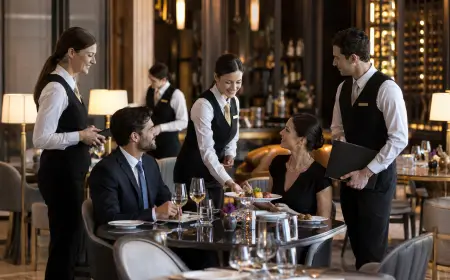
• Greet and offer beverage menu immediately
• Suggest based on time and table’s vibe
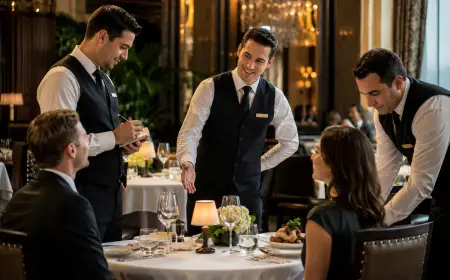
• Take and confirm order
• Enter into POS without delay
• Coordinate with bar/kitchen
• Collect and check drink
• Serve within standard time
• Do check-back
• Push refill or next round
Service Timing Benchmarks:
• Order: within 2 minutes of seating
• Prep: 3–5 min (non-alcoholic), 5–7 min (alcoholic)
• Delivery: within 1–2 minutes after ready
• Check-back: within 2–3 minutes
Operational Controls:
• Deliver the right drink to the right guest
• Don’t let orders pile up
• Stay connected with the bar
• Watch for empty glasses
Slow drinks = slow table.
Guest Interaction and Beverage Service Techniques
This is where you build confidence—and sales.
Service Interaction Standards:
• Eye contact. Speak clearly
• Be confident, not robotic
• Suggest based on what the guest wants
• Keep body language sharp
Basic Upselling Techniques:
• Recommend popular or signature drinks
• Pair drinks with food naturally
• Offer upgrades without forcing
Handling Special Requests:
• Adjust exactly as asked
• Communicate clearly to prep team
• Deliver correctly no second chances
Handling Complaints:
• Replace immediately
• Apologize simply
• Inform supervisor if needed
Pro tip: Don’t argue over a drink fix it fast and move on.
Tools and Equipment for Beverage Service
Your setup controls your speed.
Primary Equipment:
• Clean glassware: cups, mugs, tumblers, wine glasses
• Coffee machines and dispensers
• Basic bar tools: shakers, jiggers
• Ice bins and scoops
Support Equipment:
• Trays and tray stands
• Napkins and coasters
• POS system
• Refrigeration units
Usage Guidelines:
• Polish glassware before service
• Use correct glass every time
• Keep service area clean
• Check equipment before shift
Dirty glass = instant guest rejection.
Service Standards and Performance Metrics
This is how you measure your shift.
Key Performance Metrics:
• Order accuracy: 100%
• Timing: within SOP
• Presentation: consistent
• Guest satisfaction: high scores
• Upselling: improving daily
If drinks are late or wrong, everything else feels slow.
Evaluation and Continuous Improvement
You improve only if you track your mistakes.
Evaluation Methods:
• Supervisor floor checks
• Beverage quality checks
• POS sales tracking
• Guest feedback
• Staff performance reviews
Common issues?
• Wrong orders
• Slow delivery
• Weak product knowledge
Fix it with repetition and sharper focus.
Final word: Drinks are the easiest win on the floor. Get them right, and the table relaxes and spends.
Read more about beverage service.