Full Guide Beer Service Training: Complete Training Guide with SOP & Professional Standards
Learn complete beer service training with SOP, pouring techniques, service sequence, and guest handling for hotel and restaurant beverage operations.
 Jyoti Kushwaha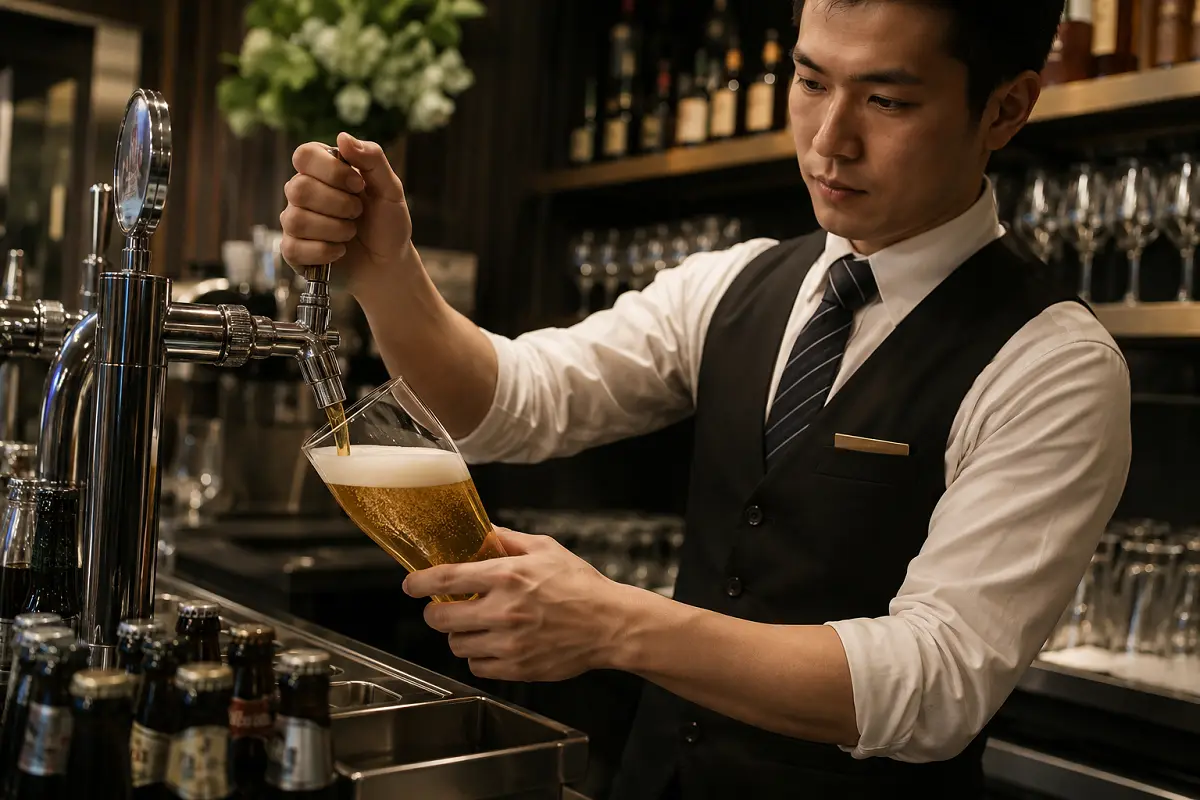
The pass is calling it out loud. Beer is either fast and sharp or it kills your table flow. No middle ground.
Overview of Beer Service Training in F&B Operations
Beer is a volume game. It moves fast, and so should you. But speed without control creates service friction. Beer is one of the most ordered drinks on the floor. And guests notice everything. Temperature, foam, glass, even how you hold it. You will handle bottled, canned, and draft beer. Each one needs a different approach. Get it wrong and you serve flat beer, too much foam, or poor taste. And during peak hours, mistakes multiply. A tight system keeps things clean. Fast pours, correct glass, steady hands. That is what keeps the table’s vibe right and the bar moving.
SOP Procedure for Beer Service
Follow this every time. No shortcuts.
1. Pre-Service Preparation
Check all beer stock. Bottled, canned, draft. Temperature must sit between 3 to 6°C.
2. Glassware Selection
Pick the right glass. Pint, mug, pilsner. Glass must be clean and fully dry. No residue.
3. Order Confirmation
Repeat the beer type, quantity, and format. Get it right before you move.
4. Opening Bottled or Canned Beer
Open clean. No shaking. Never touch the rim.
5. Draft Beer Pouring
Hold glass at 45 degrees. Pour smooth. Straighten midway. Target foam head is 1 to 2 inches.
Pro tip: Too much foam wastes product. Too little kills presentation.
6. Quality Check
Check clarity, foam, and temperature. Always.
7. Serve Immediately
Beer waits for no one. Serve fast to keep carbonation intact.
8. Maintain Hygiene
Hands off the rim. Clean handling, every time.
Operational Steps and Beer Service Sequence
This is your rhythm on the floor. Stick to it.
Step-by-Step Service Sequence:
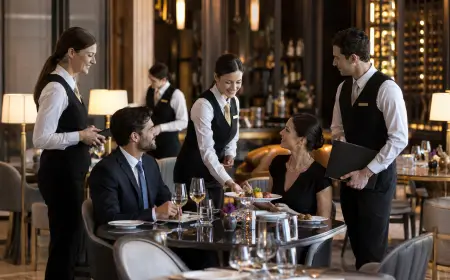
• Greet guest and present beverage menu
• Suggest beer options when needed
• Take order and confirm clearly
• Enter order into POS
• Collect or pour beer at bar
• Select correct glass
• Pour or open as per standard
• Place on tray and serve from the right
• Announce the beer while serving
• Check back within 2 to 3 minutes
Service Timing Benchmarks:
- Order taking within 2 minutes
- Preparation time 1 to 2 minutes
- Service delivery within 1 minute after prep
- Check back within 2 to 3 minutes
Operational Controls:
• Keep temperature right
• Control foam and avoid spillage
• Deliver correct order every time
• Watch for refills and repeat orders Fast service keeps the table engaged. Slow beer kills momentum.
Guest Interaction and Beer Service Techniques
Beer service is simple. But how you handle the guest makes the difference.
Service Interaction Standards:
• Maintain eye contact
• Speak clearly and confidently
• Recommend based on preference like light, strong, or craft
• Keep posture sharp and professional
Upselling Techniques:
• Push premium or craft options
• Suggest a pint instead of a small glass
• Pair with starters
Pro tip: Sell with confidence, not pressure.
Handling Special Requests:
• Serve chilled or room temperature as asked
• Offer different glassware if needed
• Get customization right
Handling Complaints:
• Replace flat or warm beer immediately
• Apologize and fix it fast
• Loop in supervisor if needed Quick recovery saves the table.
Tools and Equipment for Beer Service
Your tools decide your speed and consistency.
Primary Equipment:
• Beer taps and draft system
• Bottle openers
• Beer glasses like pint, mug, pilsner
• Keg systems
Support Equipment:
• Trays and tray stands
• Glass washing units
• Refrigeration units
• Drip trays Usage Guidelines:
• Keep draft lines clean
• Glassware must be free from detergent residue
• Maintain correct temperature
• Check all equipment before service Bad tools slow you down. Good setup keeps you sharp.
Service Standards and Performance Metrics
This is what you are judged on.
Key Performance Metrics:
• Pouring technique always correct
• Foam head consistent
• Order accuracy at 100%
• Service timing within limits
• Temperature maintained
• Guest satisfaction high Consistency builds trust. And repeat orders.
Evaluation and Continuous Improvement
You do not guess. You check and fix.
Evaluation Methods:
• Supervisor watches during service
• Random checks on poured beer
• Draft system inspections
• Guest feedback
• Staff performance reviews
Common issues show up fast. Too much foam. Warm beer. Slow service. Fix them with training, equipment checks, and discipline. Beer service looks simple. But done right, it keeps the bar flowing and the tables happy.
Read more about expert wine service.