Expert Wine Service SOP: Complete Training Guide with SOP & Professional Standards
Learn expert wine service SOP training with step-by-step service sequence, pouring techniques, guest interaction, and operational standards for hotel and restaurant service.
 Jyoti Kushwaha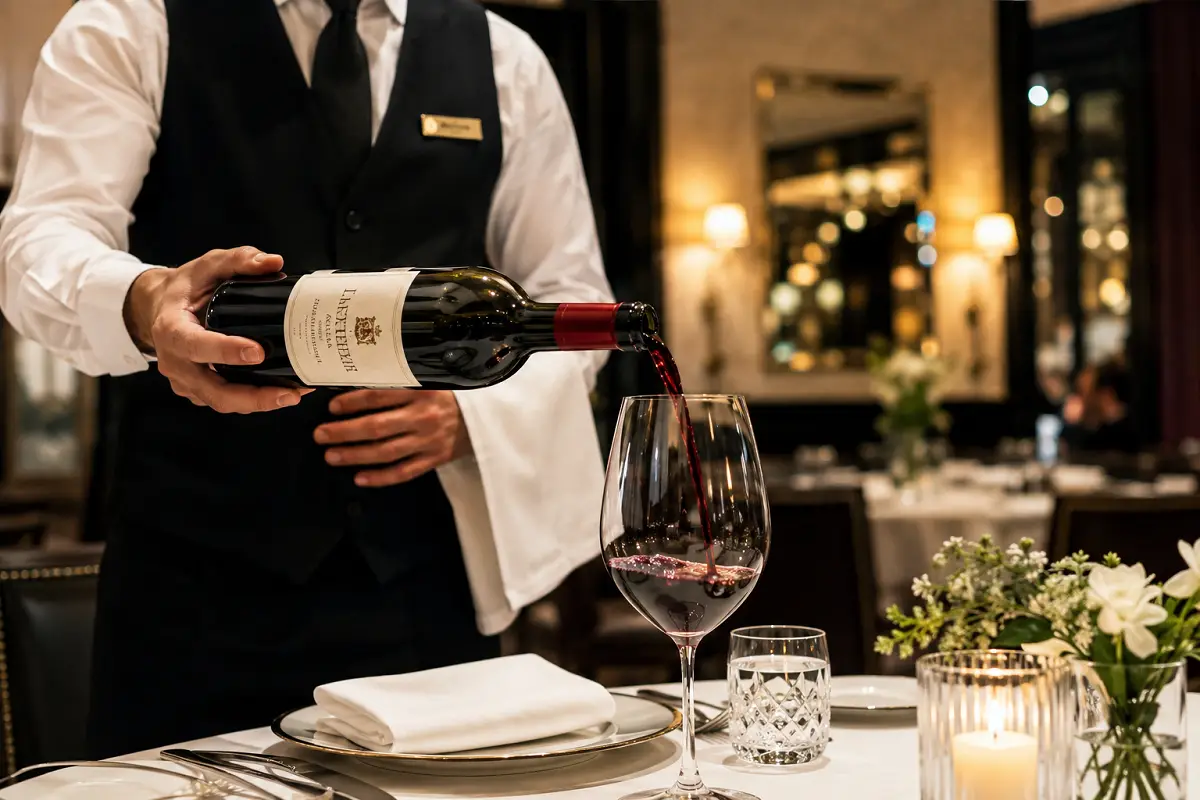
The reality on the floor is simple. Wine service does not fail at pouring. It fails at confidence and control at the table.
Overview of Expert Wine Service SOP Training
Wine service is precision work. Every move is visible. Every mistake is remembered.
This is not like serving water or cocktails. Wine has a sequence. Presentation, opening, tasting, pouring. Miss one step and the table feels it.
In live service, poor handling shows fast. Spillage, wrong temperature, hesitation at the table. That creates service friction immediately.
But when done right, wine lifts the entire table’s vibe. It also drives revenue through smart recommendations and pairings.
Your role is simple. Know the product. Control the process. Execute clean.
SOP Procedure for Wine Service
This is your non-negotiable routine. Follow it every time.
1. Pre-Service Preparation
Check the wine list. Confirm stock levels. Ensure correct storage temperature. Keep clean wine glasses ready.
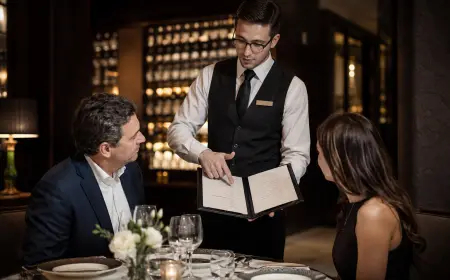
2. Present the Wine Bottle
Show the label to the host. Say the name and vintage clearly. Wait for confirmation.
3. Open the Bottle
Cut foil neatly below the lip. Open smoothly. No noise. No broken cork.
4. Offer the Cork (Optional)
Place it on a side plate if the guest wants to check.
5. Pour for Tasting
Serve a small portion, around 30 ml, to the host. Pause for approval.
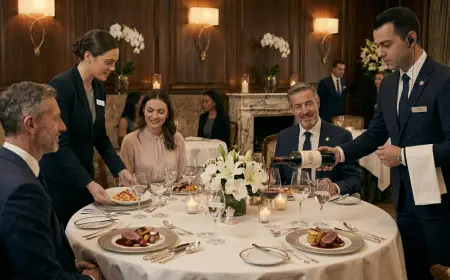
6. Serve the Wine
Start with ladies, then gentlemen, then the host. Stay consistent.
7. Maintain Pouring Standards
Do not touch the rim. Fill only one third of the glass.
8. Place Bottle Correctly
Keep it on the table or in a bucket. Label facing the guest.
9. Monitor and Refill
Watch levels. Refill quietly. Do not interrupt conversations.
Pro tip: If you rush the opening, the table loses confidence in you.
Operational Steps and Wine Service Sequence
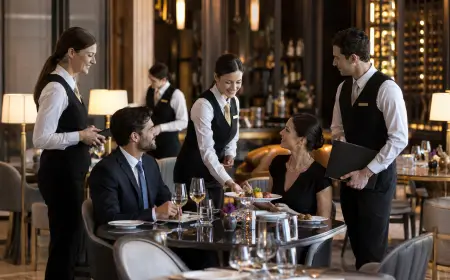
Flow matters more than speed here. Smooth service feels premium.
Step-by-Step Service Sequence:
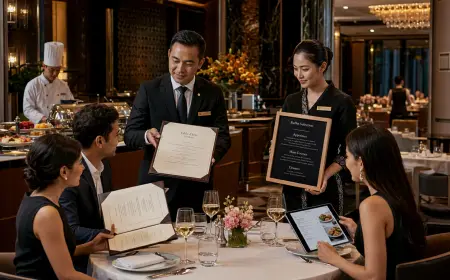
• Greet and present the wine list
• Help with selection if needed
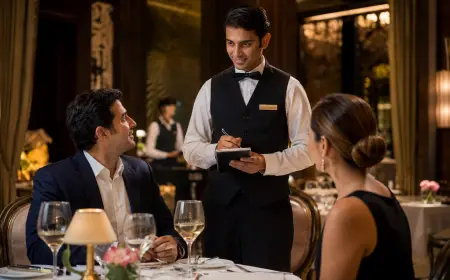
• Confirm the order clearly
• Bring wine at correct temperature
• Present bottle for approval
• Open at the table with control
• Offer tasting to host
• Serve in correct sequence
• Watch glasses and refill
• Clear or replace bottles when needed
Service Timing Benchmarks:
• Presentation within 3 minutes
• Opening and tasting within 2 minutes
• Full service within 5 minutes
• Refill within 1 minute of noticing
Operational Controls:
• Keep temperature correct at all times
• Avoid any spillage
• Deliver the exact wine ordered
• Stay coordinated with bar or cellar
One wrong bottle or delay can stall the entire table.
Guest Interaction and Wine Service Techniques
This is where you earn trust.
Service Interaction Standards:
• Hold eye contact and speak clearly
• Present wine with confidence
• Respect guest choice, do not push
• Move with control and purpose
Upselling Techniques:
• Recommend premium options naturally
• Suggest food pairings that make sense
• Offer upgrades based on what they already like
Handling Special Requests:
• Adjust temperature if asked
• Provide extra glassware quickly
• Decant when required
Handling Complaints:
• Replace corked or faulty wine immediately
• Apologize and fix it without delay
• Inform supervisor when needed
Guests remember how you recover more than the mistake itself.
Tools and Equipment for Wine Service
Your tools should never slow you down.
Primary Equipment:
• Wine opener
• Wine glasses for red, white, and sparkling
• Wine buckets and stands
• Decanters
Support Equipment:
• Service cloth or napkin
• Drip rings or pourers
• Ice buckets for chilled wines
• Bottle trays
Usage Guidelines:
• Keep everything clean and polished
• Match glass to wine type
• Maintain temperature, red at 16 to 18°C, white at 8 to 12°C
• Check all tools before service
Unprepared tools slow your hands. And slow hands kill flow.
Service Standards and Performance Metrics
This is how your wine service is judged.
Key Performance Metrics:
• Order accuracy at 100%
• Consistent pouring levels
• Service within timing standards
• Correct temperature maintained
• Strong guest satisfaction
No shortcuts. These are baseline expectations.
Evaluation and Continuous Improvement
Good teams review daily. Great teams adjust instantly.
Evaluation Methods:
• Supervisor observation on the floor
• Guest feedback and ratings
• Service audits and checklist reviews
• Staff skill assessments
Common issues are easy to spot. Wrong pouring, bad temperature control, weak bottle handling.
Fix them with repetition. Train under pressure. Stay consistent.
Wine service is theatre at the table. When you control it, the guest relaxes. When you don’t, the table feels it immediately.
Read more about Industry level glassware training.