Practical Leadership in Hospitality: Complete Training Guide with SOP & Professional Standards
Learn practical leadership training in hospitality with SOP, team coordination, service supervision, and decision-making techniques for restaurant operations.
 Jyoti Kushwaha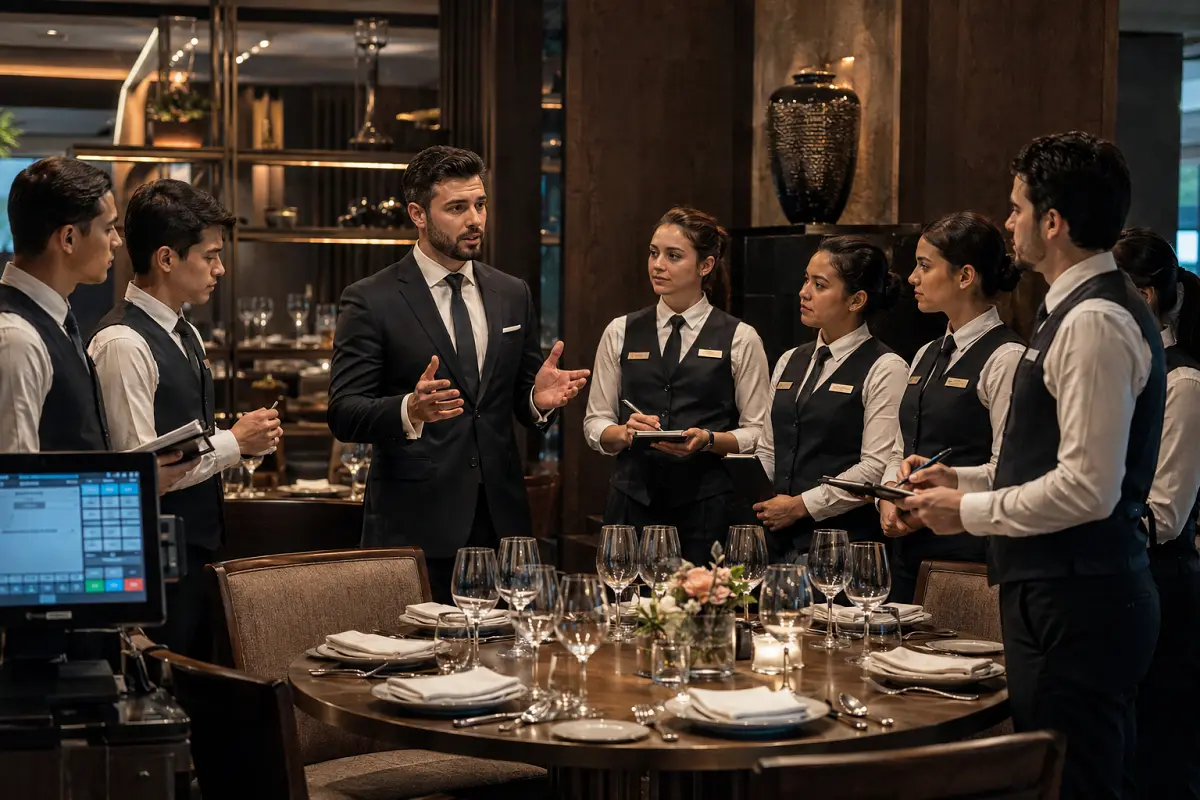
The latest feedback from the floor is clear teams don’t fail because of skill, they fail because no one is driving the shift. Leadership is what keeps the line tight, the service clean, and the team moving as one.
Overview of Practical Leadership Training Hospitality
Leadership in F&B isn’t about standing back. It’s about being in the middle of the action and keeping control when things heat up.
You’re managing front-of-house, back-of-house, and the space in between. Orders need to move fast. Guests expect consistency. And your team looks to you when pressure builds.
Weak leadership shows up fast missed calls, slow tables, confused staff. And once service slips, recovery gets harder.
Strong leaders stay sharp. They make quick calls, communicate clearly, and keep the team focused. They train, guide, and correct on the spot.
This training builds leaders who can run the floor, not just watch it.
SOP Procedure for Leadership in Hospitality
Leadership follows structure. No structure, no control.
1. Pre-Shift Planning
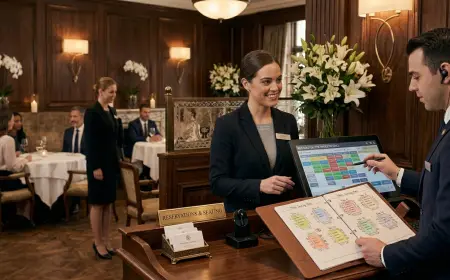
Check reservations, covers, and staffing. Assign roles based on skill and volume.
2. Staff Briefing
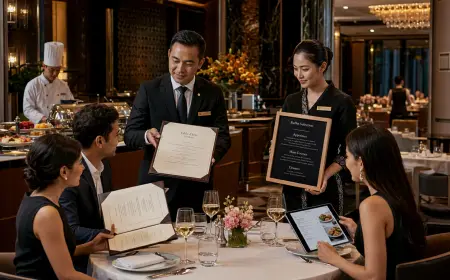
Run a tight briefing. Menu updates, VIPs, service priorities—keep it clear and short.
3. Task Allocation
Lock in sections and duties. No confusion once service starts.
4. Service Supervision
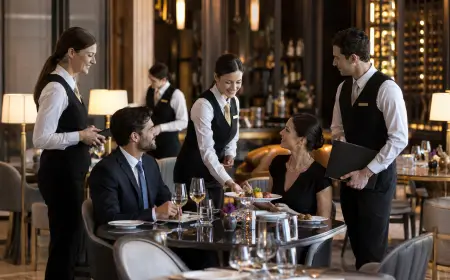
Stay on the floor. Watch order flow, timing, and execution.
5. Communication Control
Keep kitchen, bar, and service synced. One missed call creates service friction.
6. Issue Resolution
Handle problems immediately. Guest issues, staff errors—don’t let them sit.
7. Performance Monitoring
Watch your team. Correct fast. Praise faster.
8. Post-Shift Review
Break down the shift. What worked, what didn’t, what changes tomorrow.
Follow this, and the shift stays under control.
Operational Steps and Leadership Workflow
A leader’s job is to keep the engine running no stops, no confusion.
Step-by-Step Leadership Workflow:
• Review reservations and expected covers
• Allocate staff based on service areas
• Conduct pre-service briefing
• Check table setup and station readiness
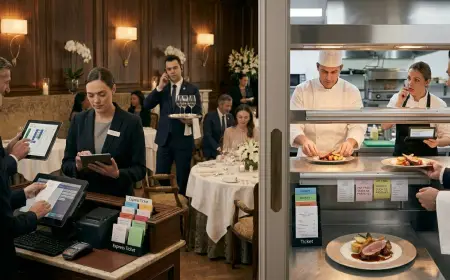
• Monitor order taking and kitchen coordination
• Track service timing and food delivery
• Manage table turnover and seating flow
• Handle guest feedback and recovery
• Jump in and support during peak hours
• Supervise closing procedures
Service Timing Benchmarks:
• Guest greeting: within 30 seconds
• Order taking: within 3–5 minutes
• Beverage service: within 3 minutes
• Food service: within 15–20 minutes
• Complaint response: immediate
Operational Controls:
• Keep service flowing no dead tables
• Ensure order accuracy every time
• Watch staff speed and efficiency
• Kill bottlenecks before they grow
Good leaders don’t react late they prevent problems early.
Guest Interaction and Leadership Techniques
If guests don’t see you, you’re not leading.
Service Interaction Standards:
• Stay visible on the floor
• Engage guests with confidence
• Read the table’s vibe
• Give priority to VIPs without breaking flow
Leadership Techniques:
• Lead from the front, not the office
• Stay calm when the pressure spikes
• Give clear, short instructions
• Build teamwork, not dependency
Handling Guest Complaints:
• Listen fully don’t interrupt
• Acknowledge and apologize
• Fix it fast or offer an alternative
• Follow up before they leave
Staff Motivation Techniques:
• Call out good work on the spot
• Correct without killing confidence
• Involve staff in decisions when possible
• Keep the energy positive, even in rush
Pro tip: Your mood sets the tone for the entire shift.
Tools and Equipment for Leadership Management
Tools don’t lead but they make leading easier.
Primary Tools:
• POS system for order tracking
• Reservation system
• Staff scheduling software
• Communication devices
Support Equipment:
- SOP checklists
- Performance tracking sheets
- Reporting tools
- Table management systems
Usage Guidelines:
• Check all systems before service starts
• Use real-time data to make quick calls
• Keep records accurate
• Use tools to tighten communication
If your tools fail, your control weakens. Always double-check.
Service Standards and Performance Metrics
Leaders are measured by results, not effort.
Key Performance Metrics:
• Service timing within SOP limits
• Order accuracy: 100%
• Guest satisfaction: consistently high
• Staff productivity: strong output
• Complaint resolution: fast and clean
• Team coordination: smooth and tight
Hit these numbers, and your operation runs strong.
Evaluation and Continuous Improvement
No leader gets it right every shift. But good leaders review and fix fast.
Evaluation Methods:
• Performance reviews
• Guest feedback analysis
• Staff discussions and team meetings
• Service reports
• Operational audits
Common issues? Communication gaps, slow decisions, weak supervision. Fix them with training, structure, and daily discipline.
Strong leadership isn’t theory. It’s what happens on the floor, in real time. Control the shift, guide your team, and keep service tight that’s how you win every service.
Read more about step by step staff training and development.