Full Guide Restaurant Marketing Basics: Complete Training Guide with SOP & Professional Standards
Learn restaurant marketing basics training with SOP, guest targeting, promotion strategies, and operational marketing techniques for restaurant success.
 Jyoti Kushwaha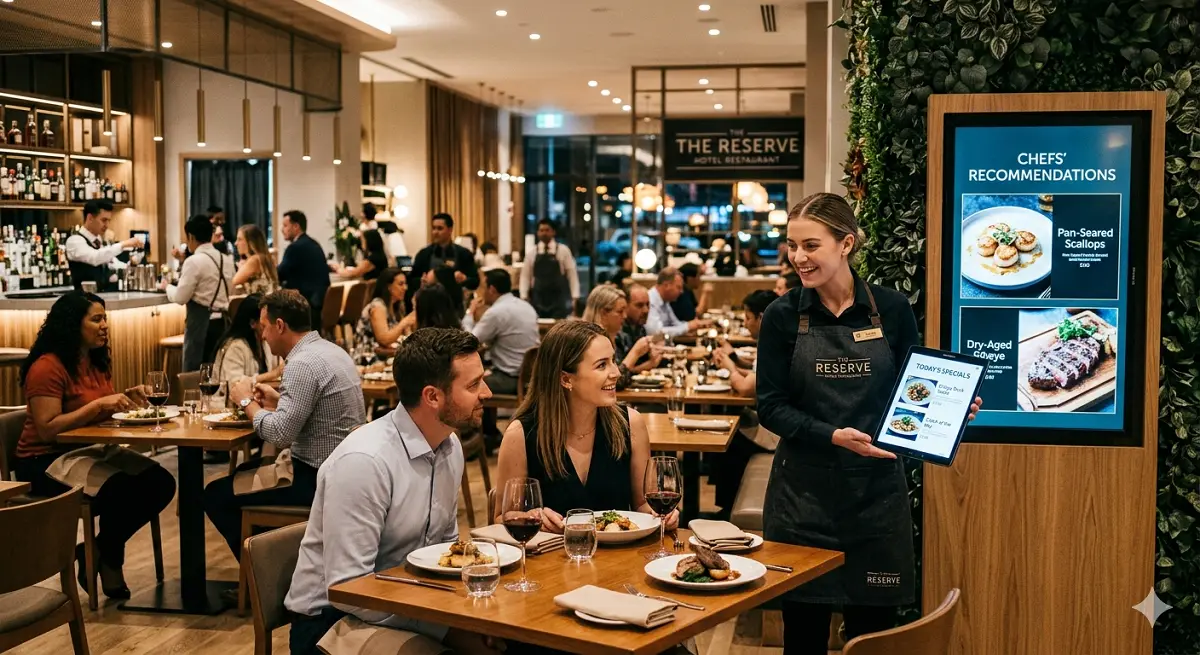
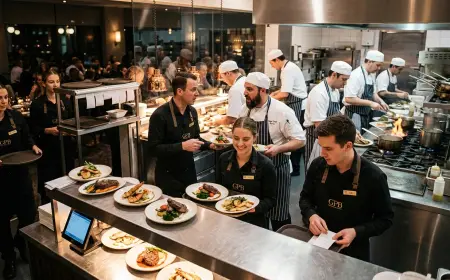
The chatter on the floor right now is simple empty tables aren’t a marketing problem, they’re an execution problem. Marketing only works when service backs it up. If the offer pulls guests in but the floor can’t deliver, you lose them just as fast. This is where real operators separate noise from results.
Overview of Restaurant Marketing Basics Training
Marketing in restaurants isn’t just ads or Instagram posts. It’s what happens from the first greeting to the final bill. That’s what guests remember.
In hotel restaurants, marketing means driving the right crowd, keeping the experience tight, and getting them to come back. It’s coordination management, service team, and digital platforms all pushing the same message.
And here’s the truth: marketing controls your covers. Good campaigns fill seats. Bad ones create dead hours and panic discounts.
This training keeps marketing grounded in operations. No gimmicks just what works on the floor.
SOP Procedure for Restaurant Marketing
Follow this like a shift checklist. No shortcuts.
1. Market Analysis
Know who you’re serving. Local crowd, office traffic, families, or premium diners. Study competitors what they sell, how they price, what they push.
2. Brand Positioning
Define your identity. Casual, premium, fast, experiential pick one and stay consistent. Guests should “get it” in 10 seconds.
3. Promotion Planning
Plan offers that match your kitchen capacity. Busy kitchen + heavy discounts = service breakdown.
4. Digital Presence Management
Keep menus, pricing, and timings updated online. Nothing kills trust faster than outdated info.
5. In-Restaurant Marketing
Push high-margin items through menu placement and staff suggestions. The menu is your strongest sales tool.
6. Customer Engagement
Get feedback. Encourage reviews. Talk to the table not just serve it.
7. Performance Monitoring
Track what’s selling and what’s not. Numbers don’t lie.
8. Strategy Adjustment
If it’s not working, change it fast. Don’t wait for the month-end report.
Pro-tip: A bad offer repeated twice becomes a habit. Fix it early.
Operational Steps and Marketing Workflow
Marketing only works if it fits into service not fights it.
Step-by-Step Marketing Workflow:
• Set clear daily and weekly targets
• Plan promotions based on actual demand
• Update menu highlights before service
• Brief staff before shift no confusion on offers
• Display promotions clearly in the outlet
• Watch guest reactions in real time
• Track sales of promoted items through POS
• Collect quick feedback from tables
• Review performance at end of cycle
• Adjust immediately for next round
Operational Benchmarks:
• Staff briefing: before every shift
• Menu updates: daily if needed
• Guest awareness: during first interaction
• Sales tracking: live on POS
• Campaign review: weekly
Operational Controls:
• Don’t overload the kitchen with offers
• Keep service speed intact during rush
• Avoid miscommunication on deals
• Ensure pricing matches POS and menu
Marketing should support service not create service friction.
Guest Interaction and Marketing Techniques
This is where deals turn into revenue. Or die.
Service Interaction Standards:
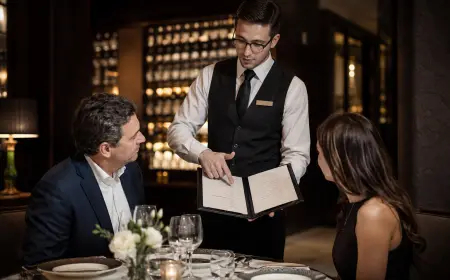
• Mention offers naturally while taking orders
• Suggest items with confidence, not pressure
• Keep tone professional and relaxed
• Match suggestions to the table’s vibe
Upselling Techniques:
• Add beverages or desserts to every order
• Offer premium upgrades when it fits
• Push chef specials with clarity
Customer Engagement Techniques:
• Ask for feedback during service
• Encourage repeat visits without sounding scripted
• Recognize returning guests instantly
Handling Promotional Queries:
- Explain offers clearly no confusion
- Ensure billing matches the promotion
- Never guess. If unsure, confirm.
Pro-tip: Confused guests don’t buy. Clear guests spend.
Tools and Equipment for Marketing Operations
Tools don’t fix problems. But they make execution faster if used right.
Primary Tools:
• POS system for live sales tracking
• Online ordering platforms
• Social media tools
• Reservation systems
Support Equipment:
• Digital displays and menu boards
• Printed promotional material
• Feedback systems
• CRM and guest database tools
Usage Guidelines:
• Keep POS data accurate at all times
• Update offers regularly across platforms
• Monitor online reviews daily
• Maintain consistency everywhere online and offline
Mismatch between platforms and reality? That’s instant guest distrust.
Service Standards and Performance Metrics
If you’re not measuring, you’re guessing.
Key Performance Metrics:
• Table occupancy: should trend upward
• Sales of promoted items: clear increase
• New guest count: steady growth
• Repeat guests: strong percentage
• Guest feedback: mostly positive
• Billing accuracy on offers: zero errors
Numbers tell you what’s working. Pay attention.
Evaluation and Continuous Improvement
Marketing is never “set and forget.” It’s constant adjustment.
Evaluation Methods:
• POS sales reports
• Guest reviews and ratings
• Promotion performance tracking
• Staff feedback from the floor
• Competitor comparison
Common issues? Weak offers, confused staff, or kitchen overload. Fix them fast with better planning and tighter communication.
Final word from the floor: Marketing brings them in. Service makes them stay. And consistency is what brings them back.
Read more about customer retention strategies.