American Airlines Firmly Rejects United Merger Talks, Shares Fall
American Airlines shares fall after rejecting merger talks with United, signaling a standalone strategy amid industry consolidation.
 Jishan Khan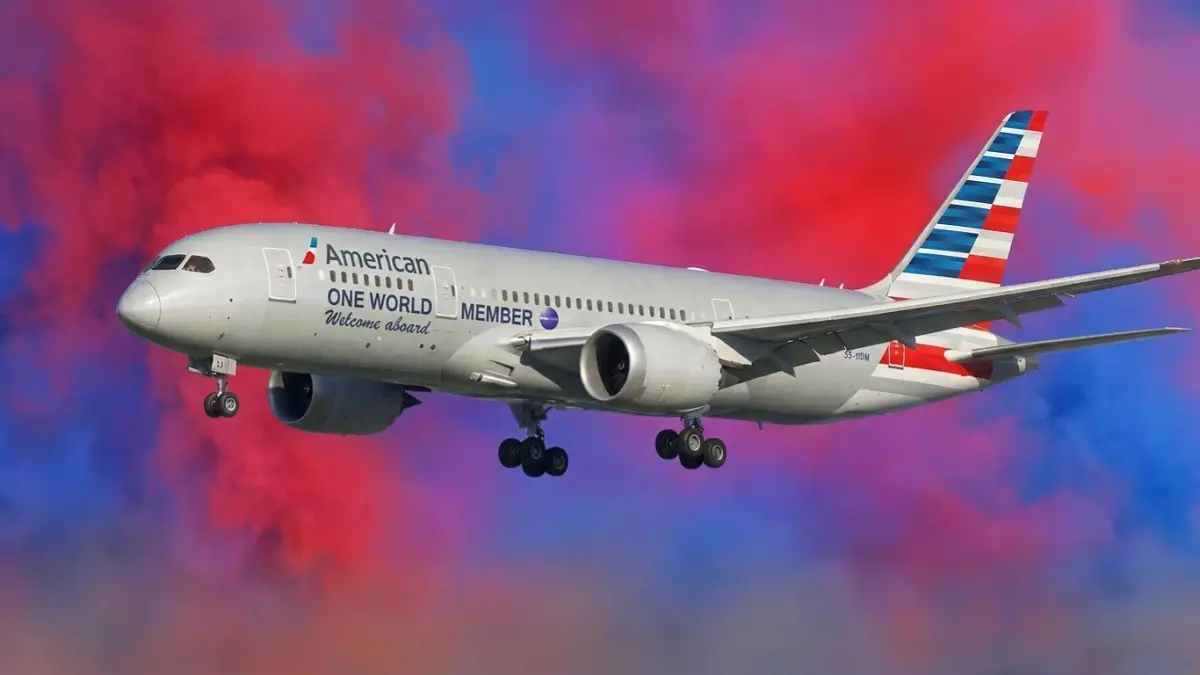
American airlines shares declined after the airline rejected potential merger discussions with United, signaling a commitment to an independent strategy despite ongoing consolidation pressures in the US aviation sector.
The development highlights a key strategic decision by one of the world’s largest airlines, as investors reacted negatively to the news, sending the carrier’s stock lower. The rejection of merger talks underscores differing strategic priorities among major US airlines at a time when scale, network reach, and financial resilience remain critical factors in the industry.
Merger Talks and Strategic Decision
American Airlines opted not to pursue merger discussions with United Airlines, effectively ruling out what would have been one of the most significant consolidation moves in the global aviation industry. While details of the discussions remain limited, the decision indicates that American prefers to maintain its current structure rather than pursue integration with a direct competitor.
A merger between the two carriers would have created a dominant player in the US market, combining extensive domestic and international networks. However, such a move would also likely have faced significant regulatory scrutiny, particularly from US antitrust authorities concerned about market concentration and competition.
By rejecting the talks, American Airlines has signaled confidence in its standalone strategy, focusing on internal improvements rather than large-scale consolidation.
Market Reaction and Share Performance
Following the announcement, American Airlines’ stock declined, reflecting investor concerns about the missed opportunity for consolidation benefits. Mergers in the airline sector are often viewed as a way to achieve cost synergies, expand route networks, and strengthen market positioning.
The market reaction suggests that some investors had anticipated potential upside from a merger scenario, including improved economies of scale and enhanced competitive strength against other major carriers. The rejection of talks removed this possibility in the near term, contributing to downward pressure on the airline’s share price.
Airline stocks are particularly sensitive to strategic developments, as investors closely monitor factors such as capacity growth, cost management, and competitive dynamics.
Industry Consolidation Context
The US aviation industry has undergone significant consolidation over the past two decades, resulting in a market dominated by a small number of large carriers. Mergers have historically been used to improve financial stability and operational efficiency, particularly during periods of economic uncertainty.
However, regulatory oversight has intensified in recent years, with authorities taking a more cautious approach to airline mergers. Concerns over reduced competition, higher fares, and limited consumer choice have made large-scale consolidation deals more challenging to execute.
In this context, a potential merger between American Airlines and United Airlines would have represented a major shift in the industry landscape, making its rejection a notable development.
Operational and Competitive Implications
By remaining independent, American airlines will continue to compete directly with United and other major carriers across key domestic and international markets. The airline is expected to focus on optimizing its existing network, improving operational performance, and enhancing customer experience.
The decision also reflects the complexity of integrating large airline operations, which involves aligning fleets, workforce structures, IT systems, and corporate cultures. Such integrations can carry significant execution risks and require substantial time and resources.
Maintaining independence allows American Airlines to pursue targeted strategic initiatives without the challenges associated with a large-scale merger.
Current Status Of American Airlines
American airlines has confirmed that it is not pursuing merger discussions with United airlines at this time. The airline continues to operate its existing network while focusing on internal strategies to strengthen its market position.
The decision comes at a time when the aviation industry is balancing recovery, competition, and regulatory constraints. While consolidation remains a potential long-term trend, American Airlines’ move indicates a preference for independent growth in the current environment.