Air China Resumes Pyongyang Flights After Six-Year Suspension
Air China has resumed flights to Pyongyang after a six-year suspension, marking a significant step in restoring limited international air connectivity with North Korea.
 Jishan Khan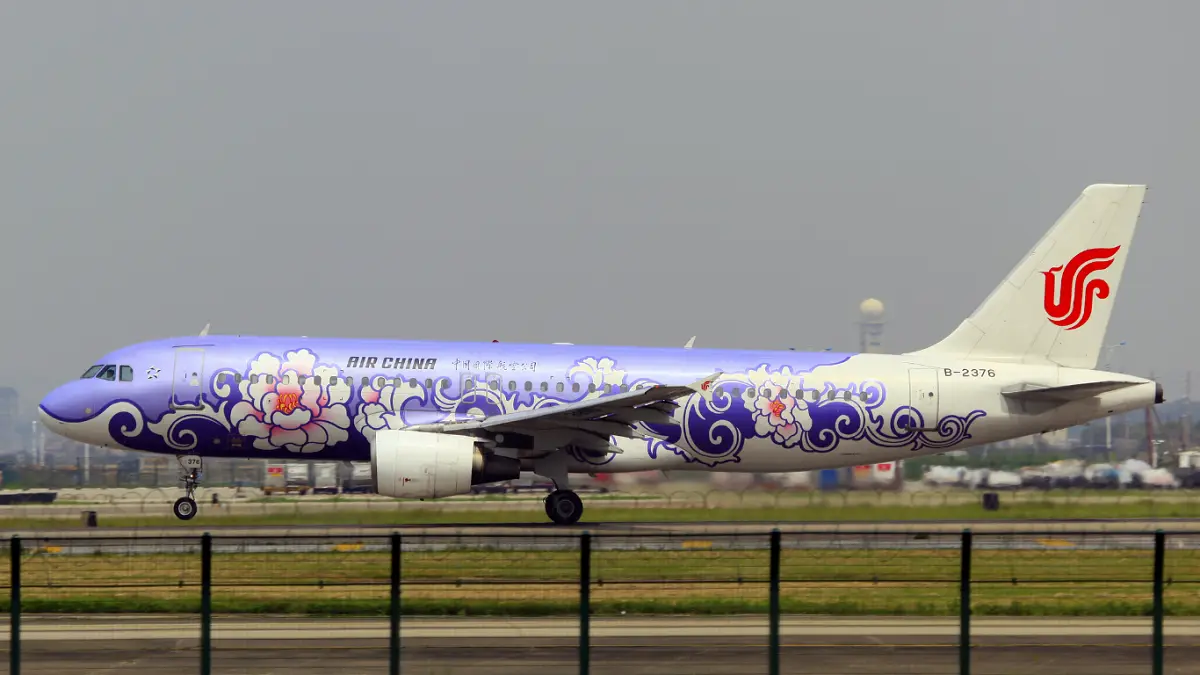
Air China has resumed scheduled passenger flights between Beijing and Pyongyang in 2026 after a six-year suspension, restoring one of the few international air links to North Korea and signaling a cautious reopening of cross-border connectivity between the two countries.
The service, which had been halted since 2020 amid global travel disruptions and geopolitical constraints, has now restarted, reconnecting Beijing Capital International Airport with Pyongyang’s Sunan International Airport. The move reestablishes a critical aviation corridor that has historically served diplomats, business travelers, and limited tourism flows.
Restoration of a Rare International Link
The Beijing–Pyongyang route is among the very few international air services connecting North Korea to the outside world. Its resumption is viewed as a significant development in regional aviation, given the country’s highly restricted air transport network.
Air China has traditionally operated this route alongside North Korea’s national carrier, providing a vital connection for official delegations, aid organizations, and select travelers. The restart of flights underscores the importance of maintaining limited but essential international links.
The service is expected to operate on a controlled schedule, reflecting ongoing regulatory and operational considerations associated with travel to and from North Korea.
Background of the Suspension
Flights between Beijing and Pyongyang were suspended in early 2020 as global travel restrictions took effect and North Korea implemented strict border controls in response to the COVID-19 pandemic. The country effectively closed its borders to international travel, leading to the suspension of most air services.
During this period, only sporadic charter or cargo flights were reported, primarily for essential goods and diplomatic purposes. The prolonged suspension highlighted the limited connectivity available to North Korea compared to other countries.
The resumption of regular passenger flights marks a notable shift after years of isolation in aviation terms.
Operational Considerations
Air China is expected to deploy narrowbody aircraft on the route, suitable for the relatively short flight distance between Beijing and Pyongyang. Operational planning for the service involves coordination with aviation authorities in both countries, as well as adherence to specific entry and exit requirements.
Given the unique nature of the route, airlines must also consider factors such as passenger demand, regulatory approvals, and logistical arrangements. The frequency of flights may be adjusted based on these considerations.
Airlines operating in this market typically maintain flexibility to respond to changing conditions, including policy shifts and demand fluctuations.
Passenger Demand and Travel Restrictions
Demand for travel between China and North Korea is expected to remain limited and highly regulated. Entry into North Korea is subject to strict controls, with travel often restricted to official delegations, approved tour groups, and specific categories of visitors.
The resumption of flights provides an option for authorized travelers, but widespread tourism is unlikely to return immediately. Travel agencies and tour operators specializing in North Korea may gradually resume operations as conditions permit.
Business and diplomatic travel are expected to form the primary passenger base in the initial phase of the route’s restart.
Geopolitical and Economic Context
The reopening of the Beijing–Pyongyang air link occurs within a broader geopolitical context, where relations between China and North Korea play a significant role. China remains North Korea’s largest trading partner and a key source of economic support.
Improved connectivity can facilitate trade, diplomatic engagement, and humanitarian activities. However, international sanctions and political considerations continue to shape the scope of interactions between North Korea and the global community.
The aviation link serves as a practical channel for maintaining essential connections while broader geopolitical dynamics remain complex.
Impact on Regional Aviation
While the route itself represents a small segment of global aviation, its resumption highlights the gradual recovery of international air travel in niche and restricted markets. Airlines are increasingly restoring suspended routes as conditions allow, even in challenging operating environments.
The Beijing–Pyongyang service is unlikely to have a major commercial impact on the wider aviation market, but it carries symbolic significance as an indicator of reopening and normalization efforts.
Regional carriers may monitor developments closely, although opportunities for expansion into North Korea remain limited.
Infrastructure and Airport Operations
Pyongyang’s Sunan International Airport has maintained limited operations during the suspension period, primarily handling domestic and occasional international flights. The resumption of Air China services is expected to increase activity at the airport, albeit at modest levels.
Beijing Capital International Airport, as a major global hub, is well-equipped to handle the route, providing connectivity for passengers traveling onward to other destinations. The link enhances Beijing’s role as a gateway for travel into North Korea.
Airport operations on both sides are expected to follow strict protocols to ensure compliance with regulatory requirements.
Future Outlook
The long-term outlook for the Beijing–Pyongyang route will depend on a range of factors, including political developments, travel policies, and demand trends. While the current resumption is a positive step, expansion of services will likely remain gradual and cautious.
Air China may consider adjusting frequencies or capacity based on passenger demand and operational conditions. Any significant increase in traffic would depend on broader changes in North Korea’s approach to international travel.
For now, the focus remains on maintaining a stable and reliable connection between the two capitals.
Conclusion
Air China’s resumption of flights to Pyongyang after six years marks a key development in restoring limited international connectivity with North Korea, as aviation links cautiously reopen under controlled conditions.