Aircalin Wet-Leases Boeing 787-9 to Maintain Operations Amid Aircraft Grounding
Aircalin wet-leases a Boeing 787-9 to sustain operations following an aircraft-on-ground situation, ensuring network continuity.
 Jishan Khan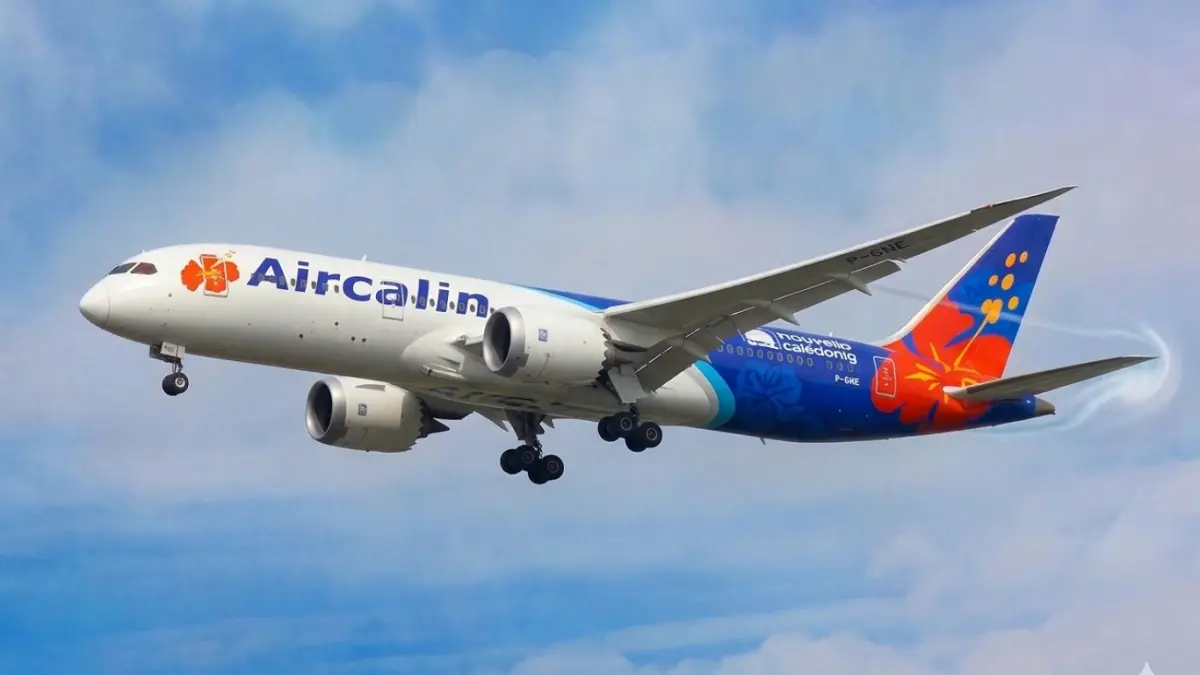
Aircalin has secured a wet-leased Boeing 787-9 to maintain its flight operations following an aircraft-on-ground (AOG) situation affecting its own fleet, enabling the airline to sustain network continuity and avoid disruptions to scheduled services.
The move comes as the carrier addresses technical issues that have temporarily grounded one of its aircraft, prompting the need for immediate replacement capacity. By deploying a wet-leased widebody aircraft, Aircalin has ensured that its long-haul operations continue without significant cancellations or schedule reductions.
Aircraft Grounding and Immediate Response
The AOG situation, which typically arises due to maintenance or technical faults, left Aircalin with reduced fleet availability. For airlines operating limited widebody fleets, such disruptions can have a disproportionate impact on operations, particularly on long-haul routes where aircraft utilization is tightly managed.
To mitigate this risk, the airline opted for a wet lease arrangement, a solution that allows for rapid deployment of an aircraft along with crew, maintenance, and insurance. This ensures that operational continuity is maintained without the delays associated with sourcing and preparing internal resources.
The leased Boeing 787-9 has been integrated into Aircalin’s schedule to cover affected services while the grounded aircraft undergoes necessary maintenance and inspections.
Wet Lease Structure and Operational Benefits
Under a wet lease agreement, the lessor provides a fully operational aircraft package, enabling airlines to respond quickly to capacity shortfalls. This approach is widely used across the aviation industry during periods of unexpected disruption, peak demand, or fleet transitions.
For Aircalin, the arrangement provides immediate operational flexibility. The inclusion of crew and technical support reduces the burden on the airline’s internal workforce while ensuring compliance with safety and regulatory standards.
The Boeing 787-9, a long-range widebody aircraft, is well-suited for the airline’s network requirements, offering the necessary range and capacity to operate intercontinental routes efficiently.
Network Stability and Passenger Impact
The introduction of the wet-leased aircraft allows Aircalin to maintain its planned flight schedule, minimizing inconvenience to passengers. Avoiding cancellations is particularly important for long-haul services, where alternative options may be limited and disruptions can have cascading effects across the network.
Maintaining operational reliability also helps protect revenue streams, as flight cancellations or delays can result in compensation costs, rebooking expenses, and potential loss of customer confidence.
The airline’s decision reflects a broader industry focus on resilience and contingency planning, especially in environments where fleet size and aircraft availability are constrained.
Industry Context and Leasing Trends
Aircraft-on-ground situations remain a recurring operational challenge in the aviation sector, often driven by technical issues, supply chain constraints, or maintenance delays. In response, airlines increasingly rely on leasing solutions to bridge short-term capacity gaps.
Wet leasing, in particular, has become a critical tool for airlines seeking flexibility without long-term commitments. The availability of modern widebody aircraft such as the Boeing 787-9 in the leasing market enables carriers to maintain service levels even during disruptions.
Aircalin’s use of a wet lease aligns with industry practices aimed at minimizing operational risk and ensuring continuity in service delivery.
Current Status and Operational Outlook
The wet lease arrangement is expected to remain in place until Aircalin’s grounded aircraft returns to service. The duration of the agreement will depend on the complexity of the maintenance work required and the timeline for restoring full fleet availability.
In the interim, the airline continues to operate its network with the support of the leased aircraft, ensuring that passengers experience minimal disruption. The strategy underscores the importance of flexible fleet management in maintaining operational stability.
Aircalin has not disclosed additional details regarding the lessor or the specific duration of the lease, but the deployment highlights the airline’s ability to respond swiftly to operational challenges.