Emirates A380 Waits Nearly 3 Hours to Land in Toronto Amid Heavy Snow
An Emirates Airbus A380 experienced an extended holding pattern before landing in Toronto as heavy snow slowed airport operations and aircraft sequencing.
 Jishan Khan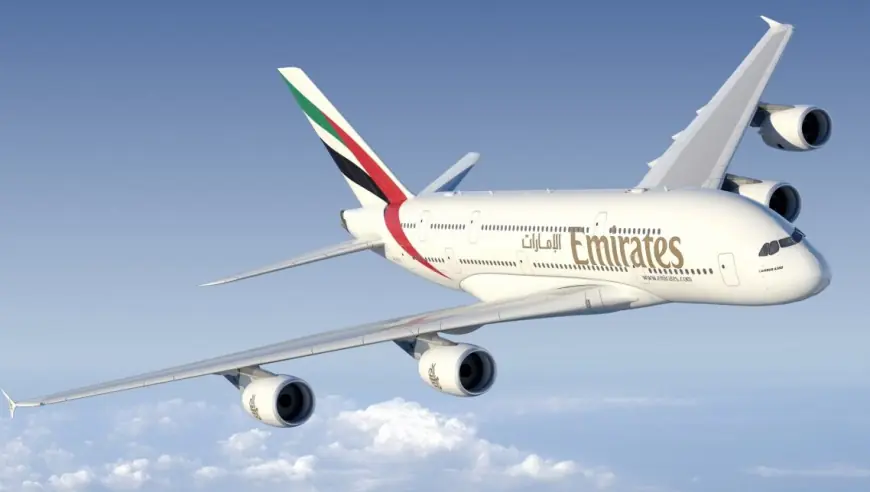
An Emirates Airbus A380 experienced an extended holding delay of nearly three hours before receiving clearance to land at Toronto Pearson International Airport due to heavy snowfall that disrupted airport operations and air traffic sequencing.
The aircraft, operating a scheduled long-haul service from Dubai, entered a holding pattern above Canadian airspace as snow intensity increased and runway availability became constrained. Air traffic control prioritised safety and runway condition assessments, which delayed landing slots until it was safe to bring the A380 onto the ground.
Severe winter weather, including heavy snow and low visibility, can significantly reduce arrival rates at major airports. Runways and taxiways require frequent clearing to achieve the friction and braking levels necessary for large widebody operations, and controllers must balance departing and arriving flights while managing spacing to mitigate runway excursion risks.
Airports such as Toronto Pearson are equipped with snow removal fleets and low-visibility procedures, but extreme conditions can still force aircraft into extended airborne holding or diversions to alternate airports. In this instance, Emirates’ operations centre worked closely with local traffic control to keep passengers informed and manage ground services upon arrival.
Emirates operates a significant A380 fleet, one of the largest civilian operators of the double-deck superjumbo. While the type’s size and weight demand rigorous runway surface conditions for safe arrivals, the aircraft’s performance characteristics remain consistent with global widebody standards when weather parameters are within certified limits.
For passengers aboard the winter-delayed flight, the holding period added to overall journey time but ultimately avoided the need for diversion. Extended airborne holding is a common contingency when airports experience rapid weather deterioration, as it allows authorities time to restore safe surface conditions without subjecting aircraft to unstable approaches.
Toronto Pearson’s capacity and sequencing plans were adjusted throughout the heavy snow event, affecting a range of carriers and aircraft types, not just the Emirates service. Delays and rescheduling during peak winter conditions remain an operational challenge for hub airports that serve as gateways for transcontinental and international services.
Commercial carriers regularly incorporate winter weather risk assessments into flight planning, including fuel uplift for anticipated holds and coordination with dispatch teams to navigate air traffic flow management constraints. These measures help maintain compliance with international safety standards while accommodating weather-induced disruptions.
For airline operations and airport regulators, the incident highlights the enduring need for robust winter operations protocols, including runway surface condition monitoring, snow removal efficiency, and effective communication with flight crews to manage passenger experience during delays.