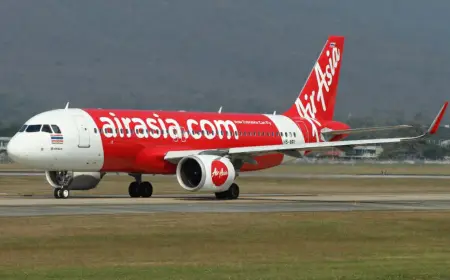
SpiceJet Stake Draws Gulf Carrier as Slot Value Rises
A Gulf carrier is reportedly evaluating a stake in SpiceJet, with its airport slots, bilateral rights, and domestic network seen as key strategic assets.
 Jishan Khan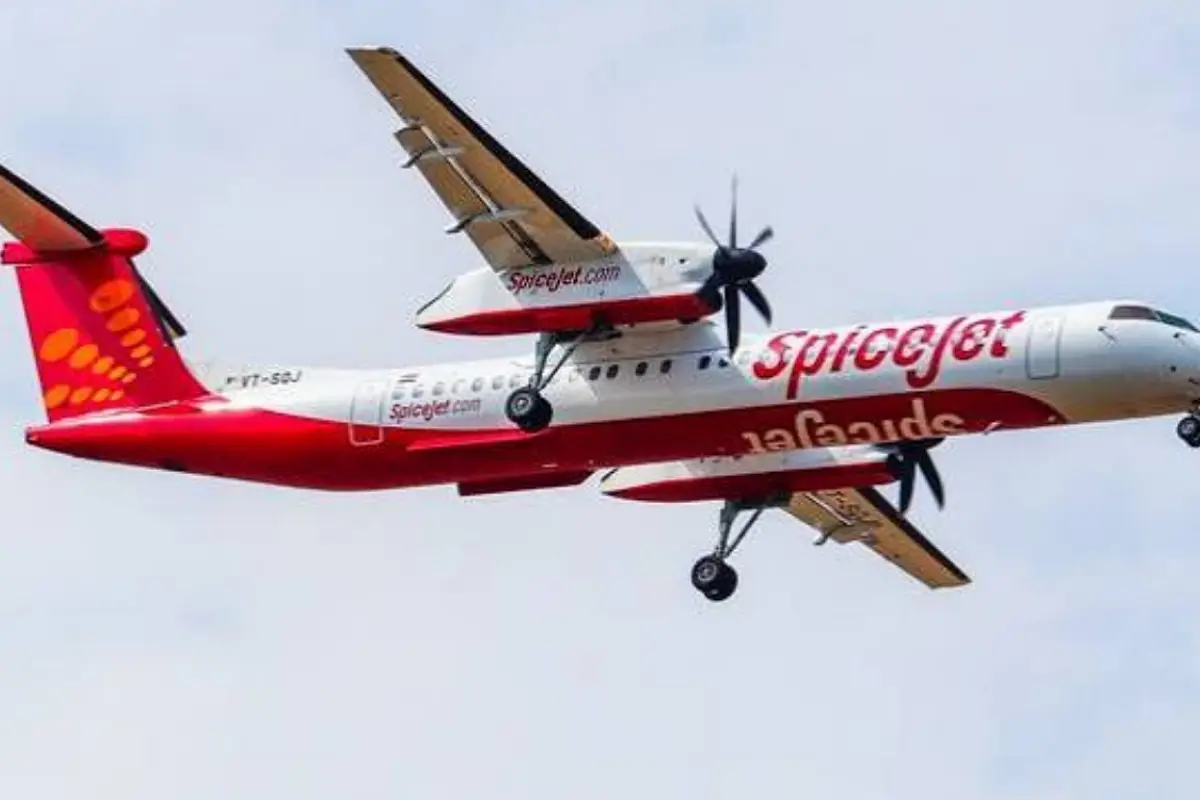
A Gulf Carrier Is Running the Numbers on SpiceJet, and India's Slot Crisis Explains Why
An unnamed Gulf-based airline has conducted preliminary due diligence on SpiceJet through an advisory firm, according to people familiar with the matter, assessing a potential acquisition of a stake or the carrier in its entirety. No formal proposal has been submitted and the exercise remains at an exploratory stage, but the identity of the interested party has not been disclosed, and SpiceJet has not responded to queries.
The airline being evaluated is financially stressed. The asset being evaluated is not.
What SpiceJet Actually Owns That a Gulf Carrier Wants
SpiceJet's balance sheet is not the attraction. What a Gulf carrier is really buying due diligence on is something far harder to replicate from scratch, peak-hour slots at Mumbai and Delhi, bilateral international flying rights on the India-Gulf corridor, an established domestic route network linking major metros with Tier II and Tier III cities, and a recognised consumer brand with over two decades of market presence.
India's major airports operate at or near capacity. Mumbai's Chhatrapati Shivaji Maharaj International runs so close to its limit that Navi Mumbai International Airport was built specifically to absorb the overflow, and even that facility is still building its passenger base. Delhi's Indira Gandhi International is similarly slot-constrained. Any airline that wants to enter India's domestic market as a meaningful competitive force faces a fundamental problem, the slots required to operate at scale at the country's two most valuable airports do not exist for new entrants. They are already allocated.
Acquiring SpiceJet does not just buy an airline. It buys years of accumulated slot positions at airports where no amount of lobbying can create new peak-hour capacity from nothing.
Why This Story Keeps Happening to SpiceJet
This is not the first time a Gulf airline has been linked to SpiceJet. Qatar Airways and flydubai both denied reports of interest in 2015, with Qatar explicitly stating the reports were "believed to be deliberately spread to influence share valuations." SpiceJet's share price has a documented history of spiking on foreign investment rumours before the details fail to materialise.
The difference in 2026 is that the reported due diligence was commissioned through an advisory firm and is described by people familiar with the matter, not as a market rumour but as a documented corporate assessment that has already been completed. That is a different category of development from a leaked headline. Whether it leads to a formal offer is a separate question entirely.
SpiceJet has spent 2024 and 2025 systematically cleaning up its balance sheet, settling lessor disputes, raising Rs 3,000 crore through a qualified institutional placement in September 2024, eliminating Rs 442 crore in liabilities through an equity allotment to Carlyle Aviation Partners in November 2025, and restoring its fleet to 176 daily flights by the end of last year. The airline that a Gulf carrier is examining today is meaningfully different from the one that was grounding aircraft and fighting lessor repossessions two years ago.
The Singapore Airlines Precedent That Changed the Calculation
Every Gulf carrier looking at Indian aviation investment is watching Singapore Airlines' Air India bet closely, and drawing lessons from both the strategic logic and the financial pain. SIA committed capital to access India's domestic market and international traffic flows, absorbed SGD 945 million in losses in a single year, and publicly reaffirmed its commitment anyway. The strategic case for a major position in Indian aviation has not changed. The price of entry has become clearer.
A Gulf carrier buying into SpiceJet at current valuations, depressed by years of financial difficulty, would be acquiring the slot portfolio, the bilateral rights and the domestic network at a fraction of what those assets would cost to build. The due diligence is the easy part. The harder question is what the airline looks like after the capital injection, who runs it, and whether the Indian regulatory environment cooperates with the ownership structure that follows.
That question does not get answered at the due diligence stage. It gets answered when, and if, a formal offer arrives